
Flexible pipe couplings are the quiet workhorses of residential and commercial plumbing. These unassuming components connect pipes of different materials or sizes, allowing for movement and flexibility in systems that would otherwise be rigid and prone to failure. But here’s the question many homeowners and facility managers ask: Do flexible pipe couplings need maintenance? The answer isn’t straightforward—it depends on factors like usage, environment, and design quality. Let’s explore when to leave these couplings alone and when to intervene.
Understanding Flexible Pipe Couplings: How They Work
Flexible couplings are designed to join pipes while accommodating slight shifts caused by temperature changes, ground settling, or vibrations. Made from materials like reinforced rubber, stainless steel, or composites, they create a watertight seal without requiring precise alignment. This flexibility reduces stress on pipes, which is why they’re commonly used in earthquake-prone areas or systems with frequent pressure fluctuations.
The Case for Minimal Maintenance: Built to Last?
Many flexible couplings are engineered for longevity. Their ability to bend and absorb shock means fewer cracks or breaks compared to rigid joints. For example, a coupling in a typical residential plumbing system might last decades without issues if installed correctly. However, this doesn’t mean they’re entirely maintenance-free. Environmental factors like UV exposure, chemical exposure, or extreme temperatures can degrade materials over time, even if slowly.
When Maintenance Matters: Signs Your Couplings Need Attention
Leakage or Drips
Even a small drip from a coupling is a red flag. While it might not seem urgent, persistent moisture can lead to corrosion or mold. Tightening the coupling’s clamps or bolts might resolve the issue, but if leaks recur, the component may need replacement.
Corrosion or Physical Damage
Couplings exposed to moisture, salt, or chemicals (like those in industrial settings) are vulnerable to rust or erosion. Visible pitting or cracks indicate it’s time to act. Similarly, physical damage from accidental impacts—say, a ladder hitting a coupling in a basement—requires immediate inspection.
Unusual Noises or Vibrations
If pipes start rattling or thumping when water flows, the coupling might be loose or worn. This is common in older systems where components have shifted over time. Ignoring vibrations can lead to pipe fatigue or joint failure.
Age and Usage
Even without obvious symptoms, couplings in high-traffic areas (like commercial kitchens) or those older than 15–20 years may benefit from proactive replacement. Aging materials lose elasticity, increasing the risk of sudden failure.
DIY Maintenance Tips for Homeowners
Visual Inspections
Regularly check couplings for signs of wear, especially in areas prone to humidity or temperature swings. Look for cracks, discoloration, or loose fittings.
Tightening Connections
Use a wrench to gently tighten bolts or clamps if they feel loose. Avoid over-tightening, which can strip threads or damage the coupling.
Lubrication
For metal couplings, a light coat of silicone-based lubricant can prevent corrosion. Avoid petroleum-based products, which might degrade rubber seals.
Environmental Controls
Keep couplings in dry, temperature-stable environments when possible. For outdoor systems, use protective covers to shield against sun and rain.
When to Call a Professional: Beyond Basic Upkeep
If leaks persist after tightening, or if you suspect hidden damage (e.g., behind walls), hire a plumber. DIY fixes might mask deeper issues, leading to costly repairs later. Professionals can use tools like pressure tests or thermal cameras to diagnose problems accurately.
Conclusion: Balancing Proactivity and Peace of Mind
Flexible pipe couplings are remarkably resilient, but they’re not immortal. By understanding their role and staying alert to warning signs, homeowners and managers can avoid unexpected failures. A simple annual inspection—coupled with prompt action when issues arise—ensures these components continue to protect plumbing systems for years to come. Remember: maintenance isn’t just about fixing problems; it’s about preventing them.
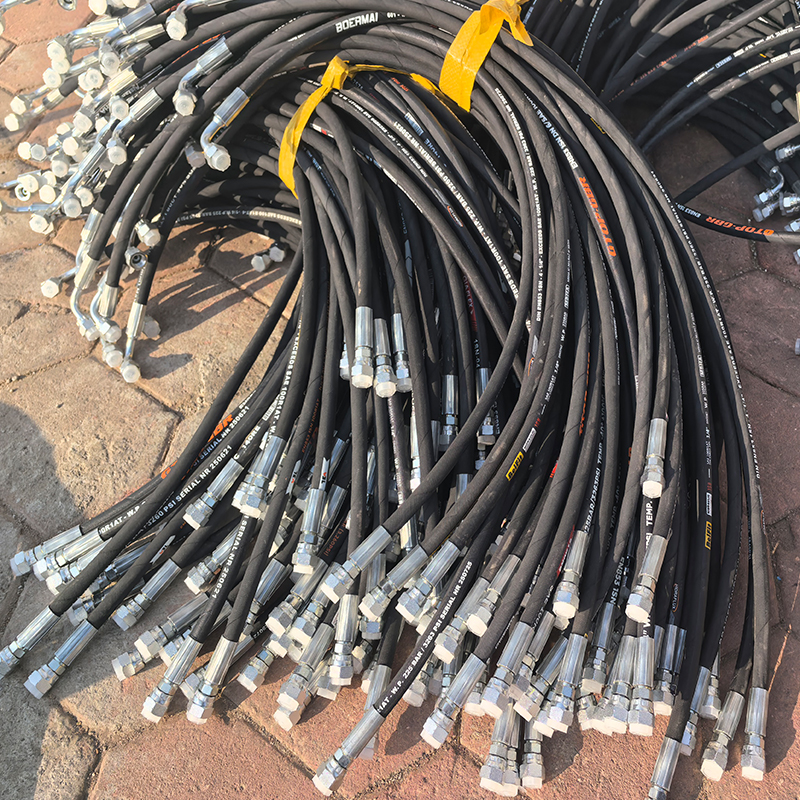 How to Create a Proactive Spiral Hydraulic Hose Replacement Plan That Prevents Downtime?
 Is Your Hydraulic System Overstressing? 5 Diagnostic Signs You Need to Upgrade to Spiral Hose
 Is Your Hydraulic System Pushing Limits? When to Specify Spiral Hose vs. Braided?
 Is Your Machinery Demanding More? Why Upgrade to a Spiral Hydraulic Hose?