
In industries ranging from mining and oil refining to wastewater management, handling abrasive fluids presents unique challenges. These fluids—often laden with solid particles, chemicals, or corrosive agents—can rapidly degrade traditional piping systems, leading to leaks, downtime, and costly repairs. Flexible pipe couplings have emerged as a game-changing solution, offering durability, adaptability, and efficiency in environments where rigid connections fail. This article explores the role of flexible couplings in managing abrasive fluids, their key features, installation best practices, and real-world applications.
Understanding the Challenge: Why Abrasive Fluids Demand Specialized Solutions
Abrasive fluids, such as slurries, wastewater with suspended solids, or industrial byproducts, erode piping materials over time. Traditional rigid couplings, while effective for clean fluids, struggle to withstand the constant friction and impact caused by abrasive particles. This leads to cracks, leaks, and system failures, disrupting operations and increasing maintenance costs.
The primary issues with rigid couplings in abrasive environments include:
Vibration and Misalignment: Industrial machinery often generates vibrations, causing pipes to shift. Rigid couplings lack the flexibility to absorb these movements, leading to stress fractures.
Corrosion and Wear: Abrasive particles accelerate corrosion and material degradation, particularly in metal couplings.
Installation Limitations: Rigid systems require precise alignment, which is impractical in dynamic or harsh settings.
Flexible couplings address these challenges by providing a resilient, adaptable connection that extends the lifespan of piping systems and reduces operational disruptions.
Key Features of Flexible Pipe Couplings for Abrasive Fluids
Not all flexible couplings are created equal. For abrasive applications, certain features are non-negotiable:
Material Durability: High-quality elastomers or reinforced composites resist abrasion, chemicals, and temperature fluctuations. These materials maintain flexibility without compromising strength.
Seal Integrity: Advanced sealing mechanisms prevent leaks, even under high pressure or when handling coarse particles.
Vibration Dampening: The ability to absorb shocks and movements protects pipes and connected equipment from damage.
Wide Temperature Tolerance: Industrial environments often involve extreme temperatures. Couplings must perform reliably in both freezing and high-heat conditions.
Ease of Installation: Quick-connect designs reduce labor costs and downtime, allowing repairs or expansions without complex tools.
By prioritizing these features, industries can ensure their piping systems endure the rigors of abrasive fluid transport.
Real-World Applications: Industries Benefiting from Flexible Couplings
Flexible couplings have proven indispensable across multiple sectors:
Mining and Mineral Processing: Slurries containing rocks, sand, or ore particles require robust couplings to prevent erosion.
Wastewater Treatment: Municipal and industrial facilities use couplings to handle sewage, grit, and chemically treated water.
Oil and Gas: Drilling muds and produced water, often laden with sand and proppants, demand corrosion-resistant, flexible connections.
Power Generation: Fly ash transport in coal-fired plants and coolant systems benefit from couplings that withstand abrasive particles.
Chemical Manufacturing: Couplings must resist aggressive chemicals while maintaining flexibility in reactive environments.
In each case, flexible couplings reduce maintenance frequency, lower long-term costs, and improve safety by minimizing leaks.
Installation Best Practices: Ensuring Longevity and Performance
Proper installation is critical to maximizing the benefits of flexible couplings. Key steps include:
Surface Preparation: Ensure pipe ends are clean, debris-free, and free of burrs. Rough edges can damage couplings or compromise seals.
Alignment Check: While flexible couplings tolerate minor misalignment, excessive angles (typically beyond 5 degrees) can stress the system. Use shims or adjustable supports if needed.
Tightening Protocols: Follow manufacturer guidelines for torque specifications. Over-tightening can deform couplings, while under-tightening risks leaks.
Inspection Routines: Regularly check couplings for signs of wear, such as cracking or material degradation. Replace components proactively to avoid failures.
Environmental Considerations: In cold climates, opt for couplings rated for low temperatures to prevent brittleness. In chemical-heavy applications, verify compatibility with the fluid’s pH and chemical composition.
Maintenance and Longevity: Extending the Lifespan of Your System
Flexible couplings are designed for durability, but regular maintenance enhances their lifespan:
Visual Inspections: Schedule routine checks for leaks, bulges, or material fatigue. Pay close attention to seals and exposed elastomers.
Pressure Testing: Periodically test couplings under operational conditions to identify weaknesses before they escalate.
Replacement Schedule: Establish a proactive replacement plan based on usage hours, fluid type, and historical failure rates.
Training: Ensure maintenance teams understand coupling specifications and installation best practices.
By adopting a proactive maintenance approach, industries can avoid unexpected downtime and maximize return on investment.
Environmental and Economic Benefits of Flexible Couplings
Beyond operational efficiency, flexible couplings offer tangible environmental and economic advantages:
Reduced Leaks: Tight seals minimize fluid loss, conserving resources and preventing environmental contamination.
Lower Energy Consumption: Smooth fluid flow reduces friction, lowering pumping requirements and energy costs.
Waste Reduction: Durable couplings mean fewer replacements, reducing manufacturing and disposal impacts.
Compliance: Meeting environmental regulations becomes easier with reliable, leak-free systems.
For industries prioritizing sustainability, flexible couplings are a smart investment.
Conclusion: The Future of Abrasive Fluid Management
As industries face increasing pressure to optimize efficiency and reduce environmental impact, flexible pipe couplings for abrasive fluids represent a forward-thinking solution. By combining durability, adaptability, and ease of use, these couplings empower operators to tackle the toughest challenges in mining, wastewater, energy, and beyond. Whether retrofitting existing systems or designing new infrastructure, prioritizing flexible couplings ensures resilience, cost savings, and peace of mind.
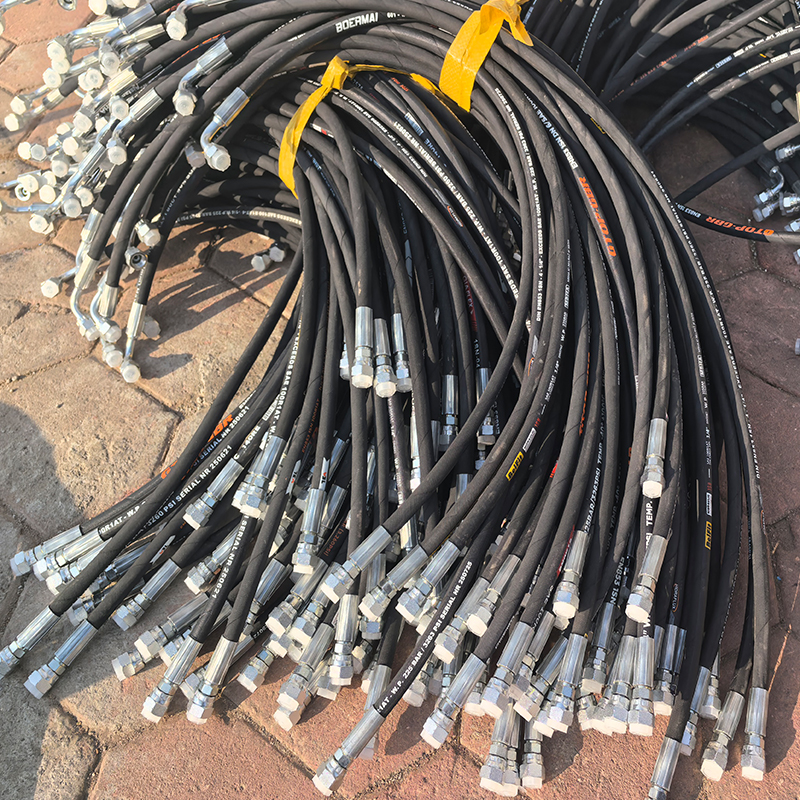 How to Create a Proactive Spiral Hydraulic Hose Replacement Plan That Prevents Downtime?
 Is Your Hydraulic System Overstressing? 5 Diagnostic Signs You Need to Upgrade to Spiral Hose
 Is Your Hydraulic System Pushing Limits? When to Specify Spiral Hose vs. Braided?
 Is Your Machinery Demanding More? Why Upgrade to a Spiral Hydraulic Hose?