
Wastewater treatment is a critical component of modern infrastructure, ensuring that water is safely returned to the environment or reused for non-potable purposes. At the heart of these systems lie intricate networks of pipes that transport wastewater from residential, commercial, and industrial sources to treatment facilities. Among the unsung heroes of this infrastructure are flexible pipe couplings—components that play a pivotal role in maintaining system integrity, efficiency, and longevity. This article explores the significance of flexible pipe couplings in wastewater treatment, their design, benefits, and their evolving role in sustainable water management.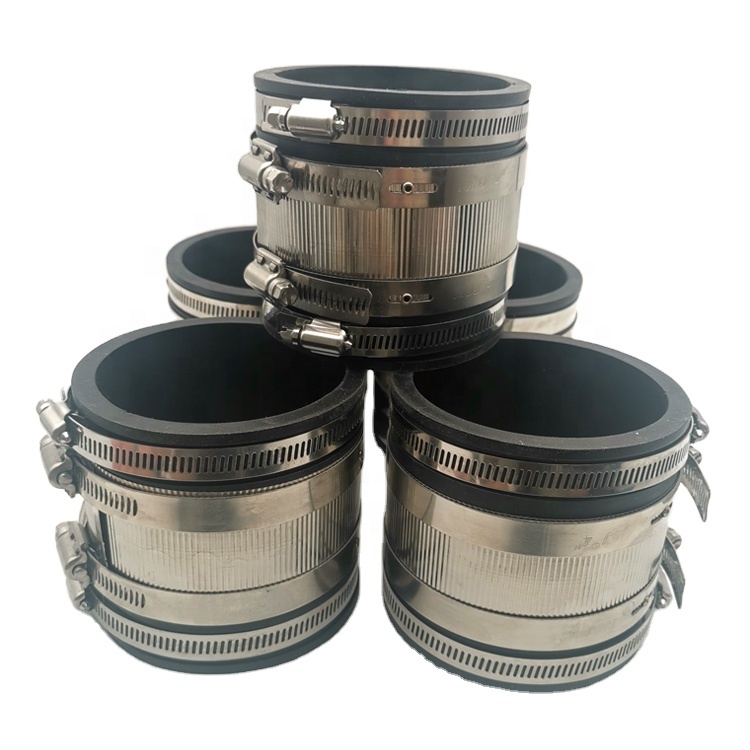
The Role of Piping Systems in Wastewater Treatment
Wastewater treatment plants rely on a complex web of pipes to manage the flow of water and waste materials. These pipes must withstand harsh conditions, including exposure to corrosive substances, extreme temperatures, and constant pressure fluctuations. Traditional rigid pipe connections, while durable, often struggle to accommodate the natural movement and settling of the ground, leading to leaks, breaks, and costly repairs. Flexible pipe couplings offer a solution to these challenges by providing a dynamic connection that can absorb stress, vibration, and misalignment without compromising the system’s performance.
Design and Functionality of Flexible Pipe Couplings
Flexible pipe couplings are engineered to connect two pipes while allowing for limited movement between them. They typically consist of a rubber sleeve, reinforced with metal bands or clamps, that encases the joint. The rubber sleeve creates a watertight seal, preventing leaks, while the metal components provide structural support. This design enables the coupling to flex, twist, or compress as needed, accommodating thermal expansion, ground shifts, or minor misalignments during installation.
One of the key advantages of flexible couplings is their versatility. They can be used with various pipe materials, including concrete, steel, PVC, and HDPE, making them suitable for diverse applications within wastewater treatment facilities. Additionally, their modular nature simplifies installation and maintenance, as couplings can often be installed or replaced without dismantling large sections of the pipeline.
Benefits of Flexible Pipe Couplings in Wastewater Systems
The adoption of flexible pipe couplings in wastewater treatment offers several tangible benefits:
Leak Prevention: A secure, flexible seal minimizes the risk of leaks, which is crucial for preventing environmental contamination and maintaining regulatory compliance.
Cost Efficiency: By reducing the need for precise alignment during installation and accommodating ground movement over time, couplings lower labor and material costs associated with repairs.
Longevity: The ability to absorb stress extends the lifespan of both the pipes and the overall system, reducing the frequency of replacements.
Ease of Installation: Flexible couplings are often lighter and easier to handle than rigid alternatives, streamlining the installation process, especially in confined spaces.
Noise and Vibration Reduction: In treatment plants where pumps and machinery generate vibrations, couplings dampen these forces, protecting the pipeline and surrounding infrastructure.
Challenges and Considerations
While flexible pipe couplings offer numerous advantages, their effectiveness depends on proper selection and installation. Engineers must consider factors such as pipe diameter, operating pressure, temperature ranges, and the presence of aggressive chemicals when choosing a coupling. Additionally, regular inspections are essential to ensure couplings remain in optimal condition, as wear or damage can compromise their performance.
Another challenge is the potential for over-reliance on flexibility. While couplings can accommodate minor movements, excessive ground shifting or seismic activity may require additional support, such as anchors or guides, to prevent pipe failure.
Innovations in Flexible Coupling Technology
The wastewater industry is continually evolving, driven by the need for more sustainable and resilient infrastructure. Recent innovations in flexible coupling technology reflect this trend:
Advanced Materials: Manufacturers are developing rubber compounds with enhanced resistance to chemicals, UV exposure, and extreme temperatures, improving durability in harsh environments.
Smart Couplings: Some couplings now incorporate sensors to monitor pressure, leaks, or structural integrity in real time, enabling predictive maintenance and reducing downtime.
Eco-Friendly Designs: Couplings made from recycled materials or designed for easier disassembly and recycling at the end of their lifespan are becoming more common, aligning with broader sustainability goals.
Case Studies: Real-World Applications
To illustrate the impact of flexible pipe couplings, consider two hypothetical scenarios:
Aging Infrastructure Upgrade: A municipal wastewater treatment plant in the Midwest was facing frequent leaks due to ground settling and aging rigid pipe connections. By retrofitting the system with flexible couplings, the plant reduced leak-related repairs by 70% and extended the pipeline’s service life by an estimated 15 years.
Seismic Resilience: In earthquake-prone California, a new treatment facility incorporated flexible couplings into its design to withstand ground motion. During a minor tremor, the couplings absorbed the shock, preventing pipe breaks and ensuring uninterrupted operation.
The Future of Flexible Pipe Couplings in Wastewater Treatment
As wastewater treatment systems grow more sophisticated, the role of flexible pipe couplings will expand. Future developments may include:
Integration with Digital Twins: Couplings could be part of a larger digital twin system, where virtual models simulate pipeline behavior under various conditions, optimizing coupling placement and maintenance schedules.
Modular, Scalable Solutions: Couplings designed for easy expansion could facilitate the retrofitting of existing plants to handle increased capacity or new treatment technologies.
Global Standardization: Efforts to harmonize coupling specifications across regions could streamline procurement and installation, particularly for multinational engineering firms.
Conclusion
Flexible pipe couplings are a small but mighty component of wastewater treatment infrastructure. Their ability to balance flexibility, durability, and cost-efficiency makes them indispensable in ensuring the reliable and sustainable operation of treatment plants. As the industry faces new challenges, from climate change to urbanization, innovations in coupling technology will play a vital role in building resilient systems that protect public health and the environment. For engineers, municipalities, and operators, investing in high-quality flexible couplings is not just a matter of practicality—it’s a step toward a more sustainable future.
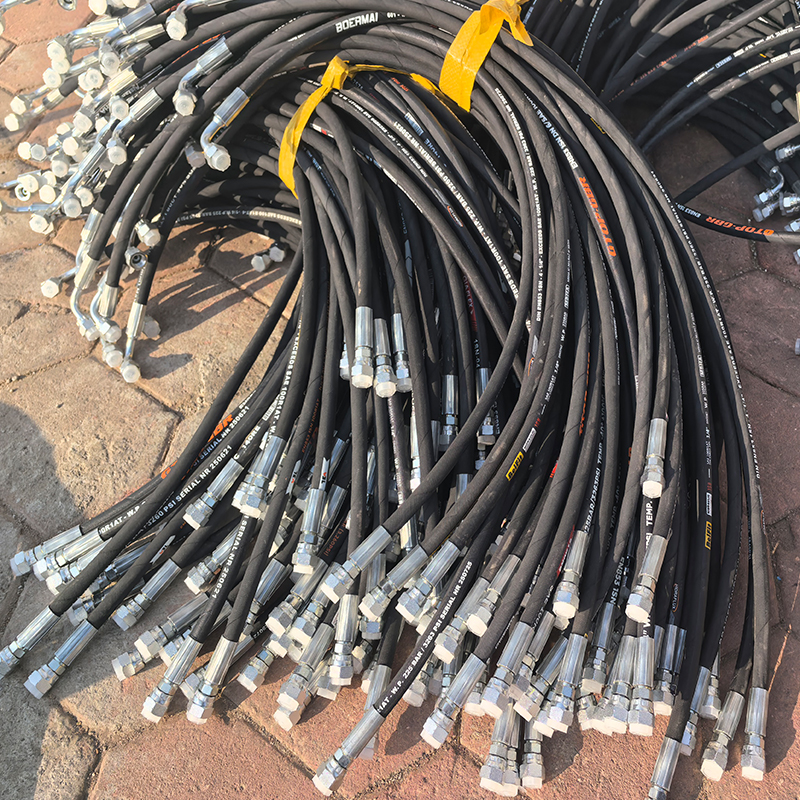 How to Create a Proactive Spiral Hydraulic Hose Replacement Plan That Prevents Downtime?
 Is Your Hydraulic System Overstressing? 5 Diagnostic Signs You Need to Upgrade to Spiral Hose
 Is Your Hydraulic System Pushing Limits? When to Specify Spiral Hose vs. Braided?
 Is Your Machinery Demanding More? Why Upgrade to a Spiral Hydraulic Hose?