
In the realm of plumbing, construction, and industrial infrastructure, ensuring the integrity and adaptability of pipe systems is paramount. One innovative solution that has gained widespread adoption is the flexible pipe coupling. Designed to connect, repair, and adapt pipes of varying materials and sizes, these couplings offer a blend of durability, flexibility, and ease of installation. This article delves into the key applications of flexible pipe couplings, highlighting their versatility and importance across different sectors.
Enhancing Plumbing Systems in Residential Settings
Residential plumbing systems are subject to a myriad of challenges, from minor leaks to major pipe replacements. Flexible pipe couplings provide an efficient solution for connecting pipes in tight spaces or where traditional rigid couplings may not fit. Their ability to accommodate slight misalignments and vibrations reduces the risk of leaks and extends the lifespan of plumbing installations. In renovations or new constructions, these couplings simplify the process of joining different pipe materials, such as PVC, copper, or steel, ensuring a seamless flow of water and waste.
Moreover, in scenarios where pipes need to be repaired or extended, flexible couplings offer a non-invasive method that minimizes disruption. Homeowners and plumbers alike appreciate the time and cost savings associated with using these adaptable components, making them a staple in modern residential plumbing.
Streamlining Industrial Pipe Networks
Industrial facilities often rely on complex pipe networks to transport fluids, gases, and other materials essential for production processes. The demands placed on these systems are rigorous, requiring components that can withstand high pressures, temperatures, and chemical exposures. Flexible pipe couplings rise to the occasion by providing a reliable connection method that absorbs thermal expansion, contraction, and mechanical vibrations.
Their use in industrial settings not only ensures the integrity of pipe connections but also facilitates easier maintenance and modifications. When pipelines need to be rerouted or upgraded, flexible couplings allow for quick disconnections and reconnections without the need for extensive welding or soldering. This adaptability is crucial in industries where downtime can translate to significant financial losses.
Supporting Municipal Infrastructure Projects
Municipal infrastructure projects, such as water treatment plants, sewage systems, and stormwater management, demand robust and flexible solutions to handle large volumes of fluids efficiently. Flexible pipe couplings play a pivotal role in these applications by connecting pipes of different diameters and materials, ensuring a leak-proof and durable system.
Their ability to resist corrosion and withstand environmental factors, such as soil movement and temperature fluctuations, makes them ideal for underground installations. Municipal engineers value the flexibility these couplings provide in designing and maintaining infrastructure that can adapt to changing urban landscapes and population growth.
Facilitating Agricultural Irrigation Systems
Agriculture relies heavily on efficient irrigation systems to sustain crops and manage water resources effectively. Flexible pipe couplings are instrumental in connecting and repairing irrigation pipes, which are often exposed to harsh outdoor conditions and varying water pressures.
These couplings allow for easy adjustments and expansions of irrigation networks, accommodating changes in field layouts or crop types. Their durability ensures that water is delivered precisely where needed, minimizing waste and maximizing crop yields. Farmers and agricultural engineers appreciate the cost-effectiveness and reliability of flexible pipe couplings in maintaining productive irrigation systems.
Enabling Marine and Offshore Applications
In marine and offshore environments, pipe systems face unique challenges, including exposure to saltwater, extreme weather conditions, and the need for rapid deployment and repair. Flexible pipe couplings offer a solution that meets these demands, providing a secure and adaptable connection method for underwater pipelines, offshore platforms, and shipboard systems.
Their corrosion-resistant properties and ability to withstand high pressures and dynamic movements make them indispensable in marine applications. Whether for transporting oil, gas, or water, flexible couplings ensure the integrity and efficiency of marine pipe networks, even in the most demanding conditions.
Promoting Sustainability in Construction Projects
As the construction industry increasingly embraces sustainable practices, flexible pipe couplings contribute to reducing waste and enhancing the longevity of pipe systems. By allowing for easier repairs and modifications, these couplings extend the lifespan of existing infrastructure, reducing the need for frequent replacements and the associated environmental impact.
Furthermore, their compatibility with a wide range of pipe materials promotes the use of recycled or eco-friendly options in construction projects. This alignment with sustainability goals positions flexible pipe couplings as a forward-thinking choice for modern builders and developers.
Conclusion
From residential plumbing to industrial pipelines, municipal infrastructure to agricultural irrigation, and marine applications to sustainable construction, flexible pipe couplings prove their worth time and again. Their adaptability, durability, and ease of installation make them a vital component in ensuring the efficiency and reliability of pipe systems across various sectors.
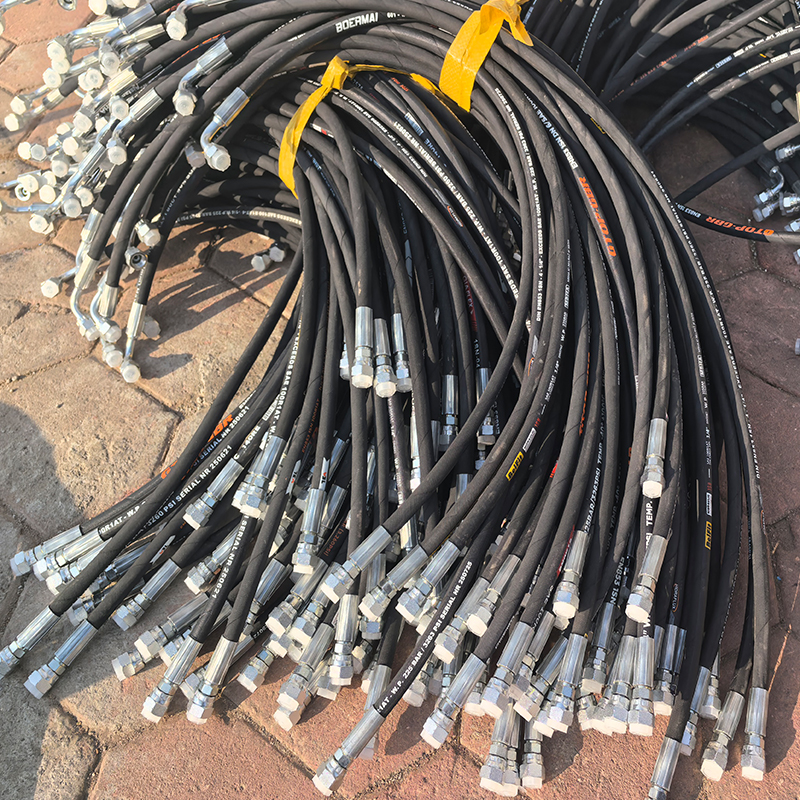 How to Create a Proactive Spiral Hydraulic Hose Replacement Plan That Prevents Downtime?
 Is Your Hydraulic System Overstressing? 5 Diagnostic Signs You Need to Upgrade to Spiral Hose
 Is Your Hydraulic System Pushing Limits? When to Specify Spiral Hose vs. Braided?
 Is Your Machinery Demanding More? Why Upgrade to a Spiral Hydraulic Hose?