
Inflatable airbags have become a staple in safety, recreation, and even everyday convenience. From vehicle safety systems to water sports gear and temporary protective barriers, these versatile devices rely on durable materials and clever engineering to function reliably. But a common question arises: How long can you expect an inflatable airbag to last before it needs repair or replacement? The answer depends on several factors, including usage patterns, maintenance practices, and environmental conditions. This guide explores the lifespan of inflatable airbags, offering practical insights for American consumers.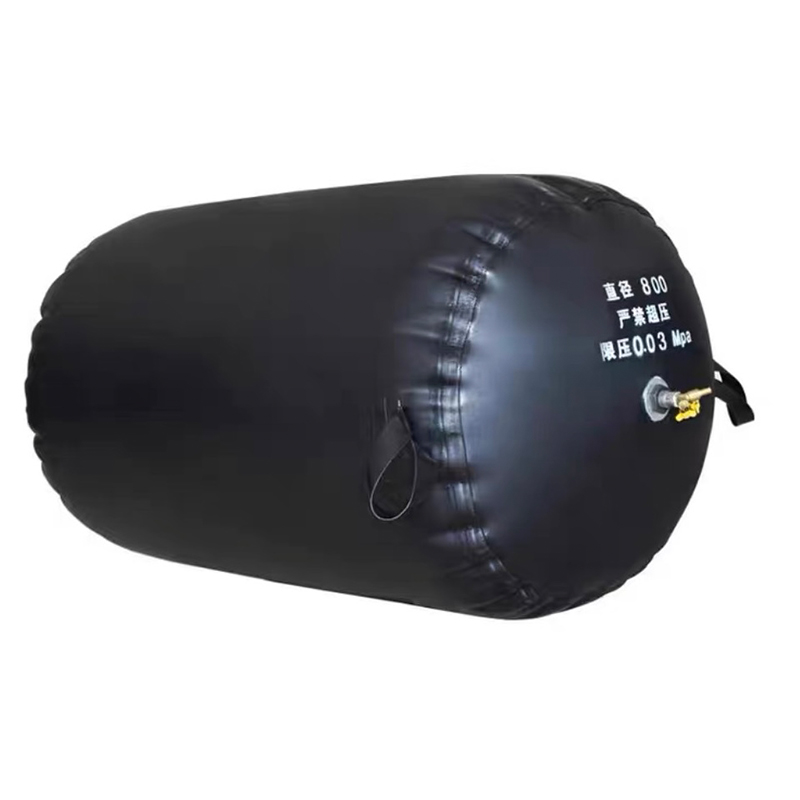
Material Quality: The Foundation of Durability
The longevity of an inflatable airbag begins with its construction materials. Most modern designs use high-strength fabrics like polyurethane-coated nylon or PVC (polyvinyl chloride), which resist punctures, abrasions, and UV damage. These materials are chosen for their balance of flexibility and strength, allowing the airbag to inflate and deflate repeatedly without weakening.
However, not all materials are created equal. Cheaper alternatives may degrade faster under stress, especially in harsh environments. For example, prolonged exposure to sunlight can cause UV rays to break down the polymer chains in the fabric, leading to brittleness or discoloration. Similarly, extreme temperatures—whether scorching heat or freezing cold—can affect the material’s elasticity and seal integrity.
Consumers should prioritize airbags made with UV-resistant coatings and reinforced seams, as these features significantly extend lifespan. While higher-quality materials may come with a steeper price tag, they often prove more cost-effective over time by reducing the need for frequent replacements.
Frequency of Use: Wear and Tear Over Time
Like any product, inflatable airbags experience wear and tear with regular use. A device inflated daily for safety purposes, such as a vehicle’s supplemental restraint system, will endure more stress than one used occasionally for recreational activities like kayaking or camping.
Repeated inflation and deflation cycles can strain the seams and valves, the weakest points in most designs. Over time, microscopic cracks may form, allowing air to escape slowly or, in worst-case scenarios, causing sudden failures. This is why manufacturers often recommend limiting unnecessary inflation cycles and storing airbags deflated when not in use.
For high-use scenarios, such as commercial applications (e.g., construction site safety barriers), durability can be enhanced through modular designs that allow individual components to be replaced instead of the entire unit. This approach not only extends the product’s life but also reduces waste.
Environmental Factors: Sun, Salt, and Humidity
The environment plays a pivotal role in determining an inflatable airbag’s lifespan. Outdoor airbags, such as those used for pool safety or sports training, face constant exposure to sunlight, moisture, and temperature fluctuations. Saltwater environments, common in coastal regions, pose an additional threat due to corrosion, which can damage valves and seams.
To mitigate these risks, consumers should:
Rinse saltwater off after use to prevent residue buildup.
Store airbags in cool, dry places away from direct sunlight when not in use.
Use protective covers designed to block UV rays and physical debris.
Even indoor airbags, such as those in vehicle safety systems, aren’t immune to environmental damage. Dust and humidity can clog valves or promote mold growth, compromising functionality. Regular cleaning and inspection are essential, especially for devices stored in garages or attics where conditions vary widely.
Maintenance Practices: Proactive Care Extends Life
Proper maintenance is the single most effective way to maximize an inflatable airbag’s lifespan. Neglecting routine checks can lead to small issues escalating into costly repairs or replacements. Key maintenance steps include:
Regular Inspections: Look for signs of wear, such as fraying seams, discoloration, or air leaks. Pay close attention to valves, which are prone to clogging or cracking.
Cleaning: Use mild soap and water to remove dirt and grime. Avoid harsh chemicals, which can degrade materials over time.
Storage: Deflate airbags fully before storing them to reduce stress on seams. Roll or fold them loosely to avoid creasing, which can weaken the fabric.
Patching Minor Damage: Small punctures or tears can often be repaired with DIY kits designed for inflatable products. Addressing these issues early prevents them from worsening.
By following these practices, consumers can ensure their airbags remain functional for years, even under heavy use.
Storage Conditions: The Silent Killer of Inflatables
Improper storage is a leading cause of premature airbag failure. Many users deflate their devices but leave them in damp basements, hot attics, or cluttered garages, where temperature extremes and humidity wreak havoc. Over time, these conditions cause materials to become brittle, seals to crack, and adhesives to weaken.
The ideal storage environment is:
Cool: Avoid areas prone to high heat, such as near furnaces or in direct sunlight.
Dry: Use dehumidifiers or silica gel packets to reduce moisture buildup.
Clean: Store airbags away from chemicals, sharp objects, or pests that could cause damage.
For long-term storage, consider placing the airbag in a breathable fabric bag to protect it from dust while allowing air circulation.
When to Replace: Signs Your Airbag Has Reached Its Limit
Despite best efforts, all inflatable airbags eventually wear out. Knowing when to replace yours is crucial for safety and performance. Warning signs include:
Persistent leaks: If patches fail to hold or leaks reappear, the material may be too compromised to repair.
Visible deterioration: Cracks, brittleness, or fading indicate UV or chemical damage.
Malfunctioning valves: Stuck or broken valves prevent proper inflation, rendering the airbag useless.
Reduced performance: If the airbag no longer holds air as long as it used to, its structural integrity is likely failing.
In safety-critical applications, such as vehicle airbags or life-saving flotation devices, never compromise on replacement. Using an expired or damaged airbag could have life-threatening consequences.
Conclusion: Balancing Cost and Longevity
The lifespan of an inflatable airbag varies widely based on material quality, usage frequency, environmental conditions, and maintenance habits. While no product lasts forever, consumers can significantly extend their airbags’ useful life by investing in high-quality materials, following proper care guidelines, and staying vigilant for signs of wear.
For those seeking a balance between cost and durability, prioritizing UV resistance, reinforced seams, and easy maintenance features is wise. Remember: a well-maintained airbag not only saves money in the long run but also provides peace of mind, knowing it’s ready to perform when needed most.
By understanding these factors, American consumers can make informed decisions about their inflatable airbags, ensuring safety, reliability, and value for years to come.
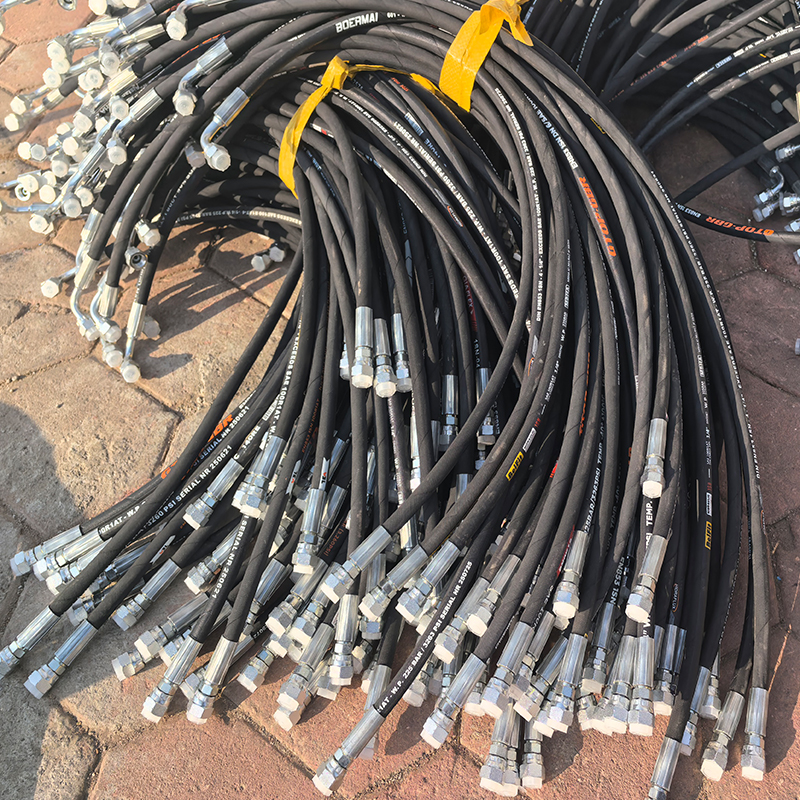 How to Create a Proactive Spiral Hydraulic Hose Replacement Plan That Prevents Downtime?
 Is Your Hydraulic System Overstressing? 5 Diagnostic Signs You Need to Upgrade to Spiral Hose
 Is Your Hydraulic System Pushing Limits? When to Specify Spiral Hose vs. Braided?
 Is Your Machinery Demanding More? Why Upgrade to a Spiral Hydraulic Hose?