
In construction projects where water resistance is critical—such as bridges, tunnels, dams, or basement walls—combining rubber waterstops with steel components is a common practice. Rubber waterstops act as flexible barriers to prevent water infiltration, while steel structures provide strength and stability. However, bonding these two dissimilar materials requires careful planning and execution to ensure long-term durability. This article explores the step-by-step process of bonding rubber waterstops to steel, highlighting best practices, challenges, and solutions for a reliable seal.
Understanding the Materials: Rubber Waterstops and Steel
Before diving into the bonding process, it’s essential to understand the properties of the materials involved. Rubber waterstops, typically made from synthetic rubber compounds like EPDM or neoprene, are designed to stretch, compress, and adapt to structural movements without cracking. Steel, on the other hand, is rigid and prone to corrosion if exposed to moisture. The goal of bonding is to create a mechanical and chemical adhesion that withstands environmental stressors, including temperature fluctuations, humidity, and mechanical pressure.
Surface Preparation: The Foundation of a Strong Bond
The success of any bonding project hinges on proper surface preparation. For steel surfaces:
Cleaning: Remove dirt, grease, rust, or old coatings using a wire brush, sandpaper, or a dedicated metal cleaner. Solvents like acetone can eliminate oil residues.
Roughening: Lightly abrade the steel surface to increase its surface area, improving mechanical interlocking with the adhesive. Avoid over-sanding, which could weaken the steel.
Degreasing: A final wipe with a lint-free cloth soaked in isopropyl alcohol ensures no contaminants remain.
For rubber waterstops:
Trimming: Ensure the edges are straight and free of nicks or tears.
Cleaning: Use a mild detergent to remove dust or factory residues. Rinse thoroughly and dry completely.
Priming (if required): Some adhesives may recommend applying a rubber primer to enhance adhesion. Follow the manufacturer’s instructions.
Selecting the Right Adhesive
Not all adhesives work for bonding rubber to steel. Key considerations include:
Flexibility: The adhesive must accommodate the rubber’s movement without cracking. Polyurethane-based or epoxy adhesives modified for flexibility are often suitable.
Cure Time: Some adhesives cure rapidly, while others require hours or days. Choose based on project timelines and environmental conditions (temperature, humidity).
Environmental Resistance: Ensure the adhesive can withstand UV exposure, moisture, and chemicals if the structure is outdoors or in harsh environments.
Application Techniques for Optimal Bonding
Mixing Two-Part Adhesives: If using a two-component adhesive (e.g., epoxy), mix the resin and hardener in the exact ratio recommended by the manufacturer. Use a clean mixing stick and container to avoid contamination.
Applying the Adhesive:
Steel Surface: Spread a thin, even layer of adhesive using a notched trowel or brush. Focus on edges and corners to prevent air pockets.
Rubber Waterstop: Apply adhesive to the contact area, ensuring full coverage. For large surfaces, work in sections to avoid premature curing.
Joining the Materials: Press the rubber waterstop firmly onto the steel surface. Use clamps, weights, or temporary fasteners to hold the bond in place while the adhesive cures. Avoid shifting the materials during this period.
Curing and Quality Control
Follow Cure Times: Resist the urge to test the bond prematurely. Most adhesives require 24–72 hours to reach full strength, depending on temperature and humidity.
Inspection: After curing, visually inspect the bond for gaps, unevenness, or adhesive squeeze-out. Conduct a pull test (if safe) by gently tugging the rubber to check adhesion strength.
Documentation: Keep records of adhesive batch numbers, application dates, and environmental conditions for future reference or troubleshooting.
Troubleshooting Common Challenges
Bond Failure: If the rubber detaches from the steel, investigate surface preparation (was the steel properly cleaned?) or adhesive selection (was it compatible with both materials?).
Bubbling or Air Pockets: Ensure the adhesive is applied evenly and the joined materials are clamped tightly to squeeze out air.
Premature Curing: Work in a controlled environment (ideally between 50–77°F or 10–25°C) to prevent adhesives from curing too quickly in heat or slowing down in cold.
Long-Term Maintenance Tips
Even a perfectly bonded waterstop requires occasional checks:
Inspect for Damage: Look for cracks, tears, or separation during routine structural assessments.
Address Corrosion: If the steel is exposed to moisture, apply a rust-inhibiting coating to surrounding areas to prevent spread.
Avoid Mechanical Stress: Do not drill, weld, or alter the bonded area, as this could compromise the seal.
Conclusion
Bonding rubber waterstops to steel is a specialized task that demands attention to detail, from surface preparation to adhesive selection and curing. By following the steps outlined in this guide, construction professionals can achieve a durable, watertight seal that protects infrastructure for decades. Remember, every project is unique—consult adhesive manufacturers’ technical datasheets and consider conducting a small-scale test bond before full application. With the right approach, this combination of materials can deliver reliability and peace of mind in even the most demanding environments.
 Rubber Inflatable Mandrel vs Steel / Wooden Core Form: When the Bag Actually Saves Money
 Rubber Inflatable Concrete Formwork: 5 Site Problems That Show Up After Demolding
 Successful Participation in WindEnergy Hamburg 2026
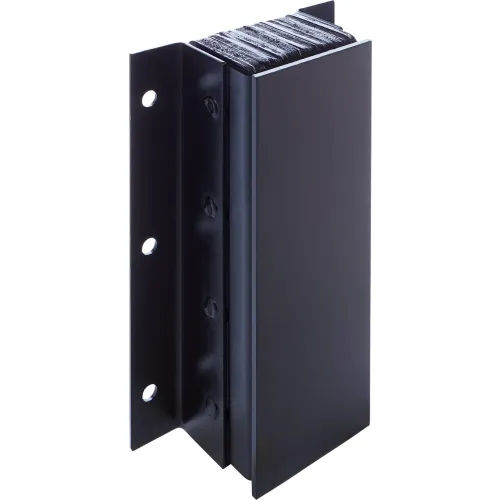 Steel-Faced Laminated Rubber Bumper: 5 Field Problems Buyers Keep Finding After Installation
