
When constructing or upgrading infrastructure in earthquake-prone regions, ensuring the resilience of plumbing and piping systems is critical. Flexible pipe couplings play a pivotal role in maintaining system integrity during seismic events by absorbing movement, reducing stress, and preventing catastrophic failures. However, selecting the right coupling requires careful consideration of multiple factors. This guide explores key criteria to help engineers, contractors, and homeowners make informed decisions for seismic-resistant installations.
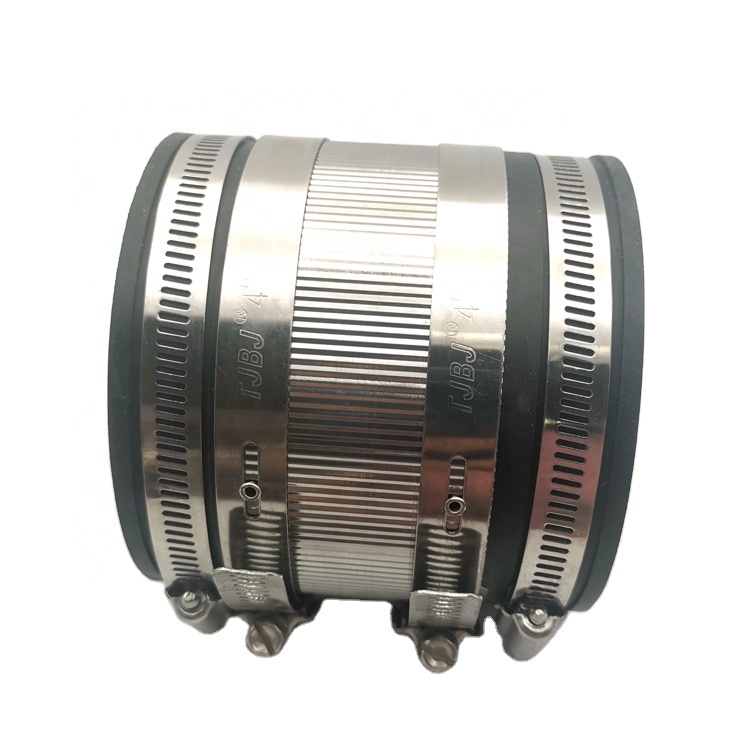
Understanding the Role of Flexible Couplings in Seismic Zones
Seismic activity subjects pipes to dynamic forces, including lateral shifts, vertical displacements, and rotational strains. Traditional rigid couplings are prone to cracking or detaching under such stress, leading to leaks, flooding, or service interruptions. Flexible couplings, by contrast, are engineered to accommodate movement through materials like reinforced rubber, stainless steel, or composite alloys. These components act as shock absorbers, allowing pipes to shift without breaking connection. Their importance extends beyond safety—they also minimize repair costs and downtime after an earthquake. For instance, a study by the Federal Emergency Management Agency (FEMA) highlights that flexible systems reduce post-earthquake pipe damage by up to 70% in commercial buildings.
Key Material Considerations for Durability and Performance
The material composition of a coupling determines its ability to withstand seismic forces, corrosion, and temperature extremes.
Rubber-based couplings (e.g., EPDM or neoprene) offer excellent flexibility and noise reduction but may degrade under prolonged UV exposure or extreme temperatures.
Stainless steel couplings resist corrosion and handle high-pressure applications, making them ideal for industrial settings or underground installations.
Composite couplings combine materials like fiberglass and resin to balance strength and flexibility, often at a lower cost than metal alternatives.
Engineers should prioritize materials rated for seismic zones by organizations like the American Society of Civil Engineers (ASCE). Additionally, couplings with NSF-61 certification ensure they meet safety standards for potable water systems, a critical factor for residential and municipal projects.
Sizing and Compatibility: Ensuring a Proper Fit
A coupling’s effectiveness hinges on correct sizing and compatibility with pipe dimensions and material. Mismatched sizes create gaps or excessive compression, compromising the seal and allowing movement beyond the coupling’s design limits. To avoid this:
Measure pipe outer diameter (OD) precisely using calipers or a pipe-sizing chart.
Verify the coupling’s compatibility with pipe material (e.g., PVC, copper, or steel). Some couplings are designed for specific types to ensure optimal grip and longevity.
Account for thermal expansion. In regions with significant temperature fluctuations, choose couplings with extra allowance for expansion and contraction to prevent buckling.
For example, a coupling rated for 2-inch PVC pipe may fail if used on a 2-inch steel pipe due to differences in wall thickness and rigidity. Always consult manufacturer guidelines or a structural engineer for ambiguous cases.
Evaluating Movement Capacity and Seismic Ratings
Not all flexible couplings are created equal. Seismic zones demand products tested to withstand specific ground motion parameters. Look for couplings that comply with:
ICC-ES AC156: A standard for seismic gas piping that evaluates a coupling’s ability to resist pullout and lateral displacement.
ASTM E985: Tests couplings for angular deflection, axial compression, and tension—critical metrics for earthquake resilience.
Local building codes: Many states, such as California, require couplings to meet stringent seismic certification before installation.
A coupling’s “movement capacity” (often listed in degrees or millimeters) indicates how much it can bend or stretch without failing. For high-seismic areas, prioritize products with a minimum of 2 inches of axial movement and 5 degrees of angular deflection.
Installation Best Practices for Long-Term Reliability
Even the best coupling will underperform if installed incorrectly. Key steps include:
Preparing the pipe: Ensure surfaces are clean, smooth, and free of debris. Rough edges can damage the coupling’s interior lining.
Aligning pipes: Misaligned pipes force the coupling to compensate for angular gaps, reducing its lifespan. Use laser levels or string lines for precision.
Tightening bolts/clamps: Over-tightening can crush the coupling, while under-tightening risks leaks. Follow torque specifications provided by the manufacturer.
Inspecting connections: After installation, perform a pressure test to check for leaks. Re-tighten fasteners if necessary.
For underground installations, protect couplings from soil settlement by embedding them in sand or gravel backfill rather than compacted earth.
Cost vs. Longevity: Balancing Budget and Quality
While budget constraints are real, skimping on coupling quality in seismic zones often leads to higher long-term costs. Cheap couplings may use inferior materials or lack seismic certification, increasing the risk of failure during an earthquake. Instead, focus on value by:
Comparing life-cycle costs: A slightly more expensive coupling with a 50-year lifespan may outperform a cheaper alternative that needs replacement every decade.
Checking warranties: Reputable manufacturers offer warranties of 10+ years, reflecting confidence in their product’s durability.
Considering labor savings: Easy-to-install couplings reduce installation time and labor costs, offsetting higher upfront prices.
For example, a
50couplingwitha20−yearwarrantymaycostlessovertimethana
30 coupling that fails after 5 years and requires emergency repairs.
The Future of Seismic-Resistant Couplings
Innovations in materials science and engineering are pushing the boundaries of coupling design. Self-centering couplings that automatically realign after seismic events, smart couplings with embedded sensors to detect stress, and 3D-printed components tailored to specific pipe geometries are emerging trends. While these technologies are still evolving, they underscore the industry’s commitment to enhancing earthquake resilience.
Conclusion
Choosing a flexible pipe coupling for seismic zones requires a holistic approach that balances material science, engineering standards, and practical installation considerations. By prioritizing certified products, proper sizing, and professional installation, stakeholders can safeguard infrastructure against earthquakes while optimizing long-term performance. As seismic risks continue to rise globally, investing in resilient systems isn’t just prudent—it’s a necessity for protecting lives and livelihoods.
Whether retrofitting an aging building or designing a new hospital, the right coupling is a small but mighty component in the larger fight against seismic vulnerability.
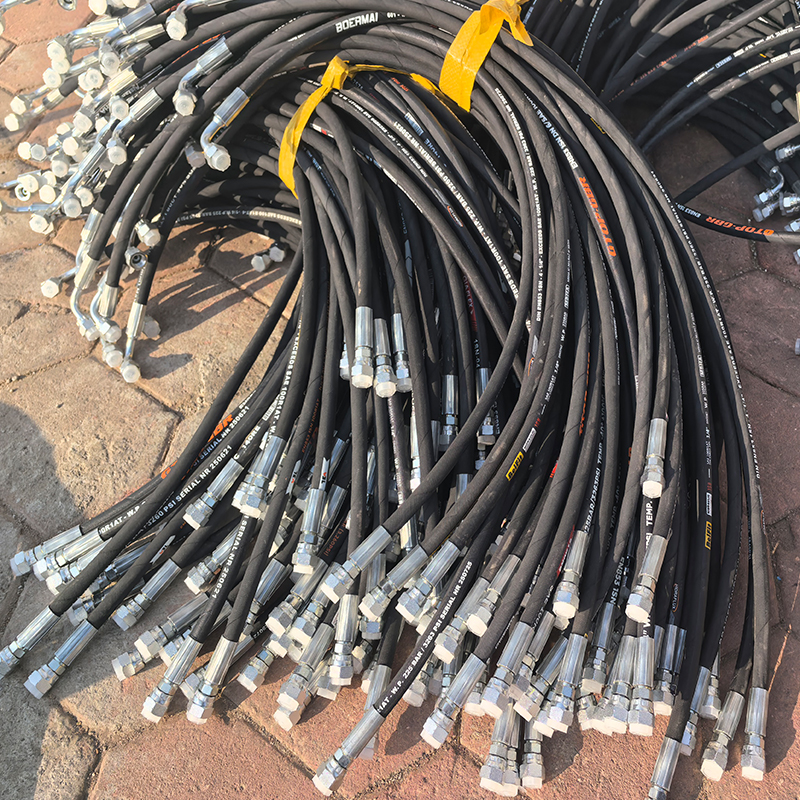 How to Create a Proactive Spiral Hydraulic Hose Replacement Plan That Prevents Downtime?
 Is Your Hydraulic System Overstressing? 5 Diagnostic Signs You Need to Upgrade to Spiral Hose
 Is Your Hydraulic System Pushing Limits? When to Specify Spiral Hose vs. Braided?
 Is Your Machinery Demanding More? Why Upgrade to a Spiral Hydraulic Hose?