
Flexible pipe couplings are essential components in plumbing and industrial systems, designed to connect pipes while accommodating movement, vibration, and misalignment. Regular inspections ensure these couplings function correctly, preventing leaks, system failures, and costly repairs. This guide outlines a step-by-step approach to inspecting flexible pipe couplings, highlighting key areas to evaluate and common issues to address.
Understanding the Role of Flexible Pipe Couplings
Before diving into inspections, it’s crucial to understand why flexible couplings matter. Unlike rigid couplings, flexible versions absorb thermal expansion, ground movement, and mechanical vibrations. They are commonly used in residential, commercial, and industrial settings, including HVAC systems, wastewater management, and manufacturing pipelines.
A well-maintained coupling extends the lifespan of the entire piping system. Neglecting inspections can lead to catastrophic failures, such as pipe bursts or contamination of water supplies. By prioritizing regular checks, property owners and facility managers can avoid downtime and ensure safety.
Visual Inspection: The First Line of Defense
The simplest yet most effective way to assess a flexible coupling is through a visual inspection. Start by examining the coupling’s exterior for signs of wear, corrosion, or physical damage. Look for cracks, bulges, or discoloration, which may indicate material degradation.
Check the coupling’s gaskets or seals—these are often the first components to fail. Gaskets should appear intact, with no tears, gaps, or signs of compression set (permanent deformation). If the coupling has clamps or bolts, ensure they are tightened to the manufacturer’s specifications. Loose fasteners can compromise the seal and lead to leaks.
Assessing Alignment and Connection Points
Misaligned pipes place undue stress on flexible couplings, reducing their effectiveness. During inspection, verify that the connected pipes are properly aligned. Use a straightedge or laser level to check for angular or lateral offsets.
Flexible couplings can tolerate minor misalignments, but excessive deviations may require repositioning the pipes. Additionally, inspect the pipe ends where the coupling attaches. Rust, scale, or debris can interfere with the seal, so clean these surfaces if necessary. Smooth, clean pipe ends ensure a tight fit and prevent premature wear.
Testing for Leaks and Pressure Integrity
Leaks are the most obvious sign of a failing coupling. To check for leaks, run the system under normal operating conditions and observe the coupling area. Look for water droplets, damp spots, or unusual sounds (such as hissing) that might indicate escaping fluid.
For critical systems, consider pressure testing. This involves temporarily sealing the pipeline and pressurizing it to a specified level. A drop in pressure over time suggests a leak, which may originate from the coupling or nearby joints. Pressure testing should be performed by trained professionals to avoid safety risks.
Evaluating Environmental and Operational Factors
The environment in which a coupling operates significantly impacts its lifespan. Exposure to extreme temperatures, chemicals, or UV radiation can accelerate wear. For instance, couplings used outdoors may degrade faster due to sunlight exposure, while those in corrosive environments (e.g., chemical plants) require materials resistant to chemical attack.
Review the coupling’s specifications to ensure it’s rated for the intended application. If the system’s conditions have changed (e.g., increased temperature or pressure), the coupling may need upgrading. Always consult the manufacturer’s guidelines for environmental and operational limits.
Checking for Signs of Fatigue or Overuse
Flexible couplings are designed to flex, but repeated bending can lead to material fatigue. Inspect the coupling for signs of stress, such as kinks, creases, or elongation. A coupling that appears stretched or deformed may no longer provide adequate flexibility or sealing.
Additionally, listen for unusual vibrations or rattling when the system is operational. Excessive noise could indicate a loose coupling or worn-out components. If the coupling has a lifespan rating (e.g., number of flex cycles), track its usage to anticipate replacement needs.
Documentation and Maintenance Scheduling
Keeping detailed records of inspections is vital for trend analysis and predictive maintenance. Document the date of each inspection, findings, repairs made, and the coupling’s condition. Over time, this data helps identify patterns, such as recurring leaks or premature wear in specific areas.
Based on inspection results, establish a maintenance schedule. Some couplings may require annual checks, while others in harsh environments might need quarterly evaluations. Regular maintenance not only prolongs the coupling’s life but also ensures compliance with industry regulations and safety standards.
When to Replace a Flexible Pipe Coupling
Even with meticulous maintenance, couplings eventually wear out. Replace a coupling if:
It shows visible cracks, tears, or corrosion.
The gasket or seal is damaged beyond repair.
It fails a pressure test or leaks persist despite adjustments.
It no longer accommodates the required misalignment or movement.
When replacing a coupling, choose one that matches the pipe material, diameter, and system requirements. Install it according to the manufacturer’s instructions, ensuring proper alignment and torque specifications.
Conclusion: Prioritize Proactive Maintenance
Inspecting flexible pipe couplings is a straightforward yet critical task for maintaining reliable plumbing and industrial systems. By following these guidelines—from visual checks to pressure testing and environmental assessments—property owners and facility managers can catch issues early, prevent costly failures, and ensure uninterrupted operations.
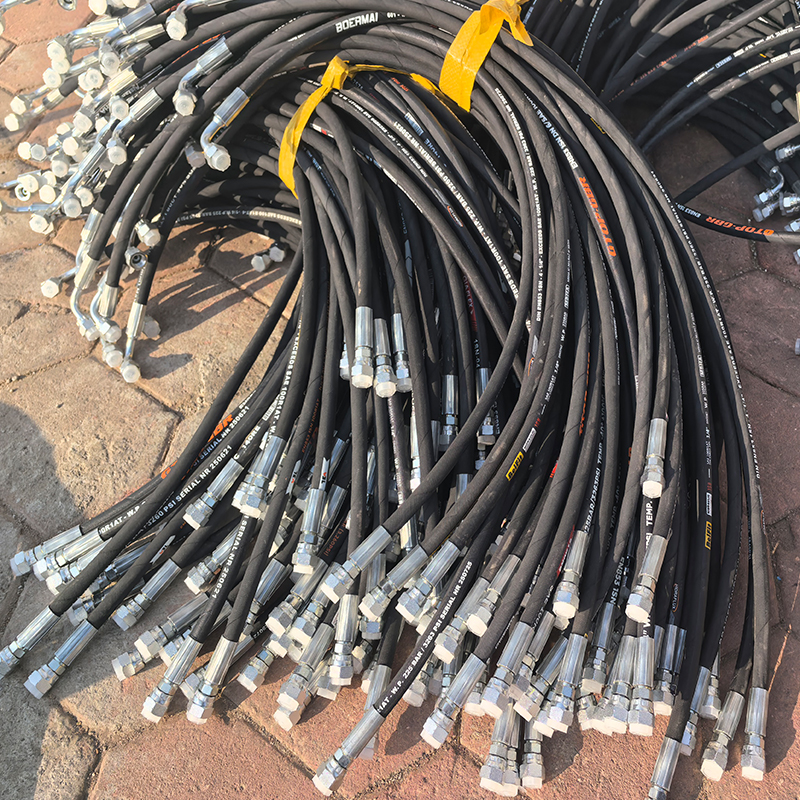 How to Create a Proactive Spiral Hydraulic Hose Replacement Plan That Prevents Downtime?
 Is Your Hydraulic System Overstressing? 5 Diagnostic Signs You Need to Upgrade to Spiral Hose
 Is Your Hydraulic System Pushing Limits? When to Specify Spiral Hose vs. Braided?
 Is Your Machinery Demanding More? Why Upgrade to a Spiral Hydraulic Hose?