
In various industrial, construction, and maintenance scenarios, the need to temporarily block pipes arises frequently. Whether it's for repair work, testing, or preventing the flow of unwanted substances, inflatable airbags offer a versatile and effective solution. These airbags are designed to fit snugly inside pipes of different diameters, creating a reliable seal that can withstand pressure and prevent the passage of liquids or gases. Here's a comprehensive guide on how to use inflatable airbags for pipe blocking.

Understanding the Basics of Inflatable Airbags
Before diving into the usage process, it's essential to grasp the fundamental characteristics of inflatable airbags. These devices are typically made from durable, flexible materials such as rubber or reinforced fabrics. They come in a variety of sizes to accommodate pipes of different diameters, ranging from small residential plumbing lines to large industrial conduits. The key feature of an inflatable airbag is its ability to expand and contract, allowing it to be inserted into a pipe in a deflated state and then inflated to create a tight seal.
The inflation mechanism can vary, with some airbags using manual hand pumps, while others are equipped with automatic or semi-automatic inflation systems. Regardless of the type, the goal is to achieve the right level of inflation that ensures a secure fit without over-pressurizing the airbag, which could lead to damage or failure.
Preparing for the Blocking Process
Proper preparation is crucial for a successful pipe-blocking operation using an inflatable airbag. The first step is to assess the pipe's condition and determine the appropriate size of the airbag needed. Measure the internal diameter of the pipe accurately to select an airbag that matches or slightly exceeds this dimension for a snug fit.
Next, inspect the airbag for any signs of wear, tears, or defects. A damaged airbag may not provide an effective seal or could burst under pressure, causing potential hazards. It's also important to check the inflation equipment, ensuring that it's in good working order and that the pressure gauge is calibrated correctly.
Before inserting the airbag into the pipe, clear the area of any debris or obstructions that could interfere with the sealing process. This might involve flushing the pipe with water or using a pipe cleaning tool to remove buildup on the inner walls. Additionally, ensure that the pipe is dry to prevent the airbag from slipping or losing its grip due to moisture.
Inserting the Inflatable Airbag into the Pipe
With the preparation complete, it's time to insert the inflatable airbag into the pipe. Start by deflating the airbag completely to minimize its profile and make it easier to maneuver. Gently guide the airbag into the pipe opening, taking care not to damage the airbag or the pipe's interior.
Once the airbag is positioned at the desired location within the pipe, it's ready for inflation. If using a manual hand pump, attach the pump to the airbag's inflation valve and begin pumping slowly and steadily. As the airbag expands, it will start to conform to the shape of the pipe, creating a tight seal. Monitor the pressure gauge closely to ensure that the airbag is inflated to the recommended pressure level specified by the manufacturer.
For airbags with automatic or semi-automatic inflation systems, follow the manufacturer's instructions for operation. These systems typically have built-in safety features that prevent over-inflation and ensure a consistent, reliable seal.
Verifying the Seal and Monitoring the Blockage
After inflating the airbag, it's essential to verify that a proper seal has been achieved. One way to do this is by observing the pipe's exterior for any signs of leakage. If water or gas is escaping around the airbag, it may indicate that the seal is not tight enough, and further inflation or repositioning of the airbag may be necessary.
Another method of verification is to perform a pressure test. This involves introducing a known pressure into the pipe section being blocked and monitoring for any pressure drop over time. A stable pressure reading indicates that the airbag is providing an effective seal, while a significant drop could signal a leak.
Once the seal has been verified, it's important to monitor the blockage throughout the duration of the operation. Regularly check the airbag's pressure and the pipe for any signs of movement or leakage. If any issues arise, take immediate action to address them, such as adjusting the airbag's pressure or repositioning it within the pipe.
Removing the Inflatable Airbag Safely
When the pipe-blocking operation is complete, it's time to remove the inflatable airbag safely. Start by deflating the airbag slowly and steadily, using the same inflation equipment but in reverse. As the airbag contracts, it will release its grip on the pipe, making it easier to remove.
Once the airbag is fully deflated, gently pull it out of the pipe, taking care not to damage the airbag or the pipe's interior. Inspect the airbag again for any signs of damage or wear, and clean it thoroughly before storing it for future use.
Maintaining and Storing Inflatable Airbags
Proper maintenance and storage are essential for extending the lifespan of inflatable airbags and ensuring their continued effectiveness. After each use, clean the airbag with a mild detergent and water to remove any dirt, debris, or residue that may have accumulated during the operation. Allow the airbag to dry completely before storing it to prevent mold or mildew growth.
Store the airbag in a cool, dry place away from direct sunlight and extreme temperatures. Avoid storing it in areas where it may be exposed to sharp objects or chemicals that could damage the material. Additionally, keep the airbag in its original packaging or a protective case to prevent it from being crushed or deformed.
Conclusion
Inflatable airbags are a valuable tool for pipe blocking in a variety of applications. By understanding the basics of these devices, preparing properly for the blocking process, inserting and inflating the airbag correctly, verifying the seal, removing it safely, and maintaining and storing it properly, users can ensure a successful and safe operation every time. Whether you're a professional plumber, a construction worker, or a maintenance technician, mastering the use of inflatable airbags can save time, money, and potential headaches down the line.
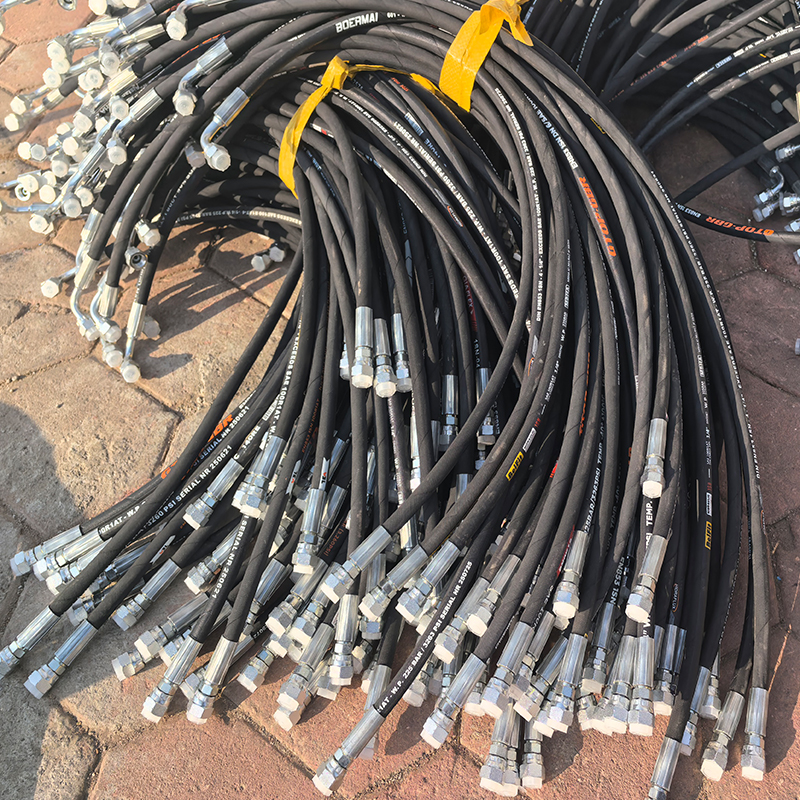 How to Create a Proactive Spiral Hydraulic Hose Replacement Plan That Prevents Downtime?
 Is Your Hydraulic System Overstressing? 5 Diagnostic Signs You Need to Upgrade to Spiral Hose
 Is Your Hydraulic System Pushing Limits? When to Specify Spiral Hose vs. Braided?
 Is Your Machinery Demanding More? Why Upgrade to a Spiral Hydraulic Hose?