
When it comes to vehicle maintenance, seals play a quiet yet critical role in ensuring smooth operation. Two components often mentioned in automotive discussions are the hub oil seal and the axle seal. While both are designed to prevent leaks and protect internal parts, they serve distinct purposes and are located in different areas of a vehicle. This article breaks down their differences, functions, and common issues to help drivers understand these essential parts.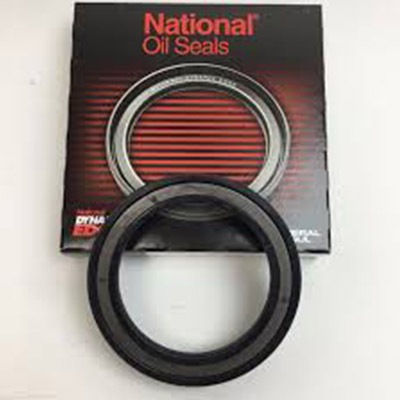
Location and Primary Function
The hub oil seal and axle seal are positioned in separate but equally vital areas of a vehicle’s drivetrain.
The hub oil seal is typically found at the wheel hub assembly, where the wheel attaches to the vehicle. Its primary job is to prevent grease or lubricant from escaping the hub bearings while keeping dirt, water, and debris out. This seal ensures the bearings rotate smoothly, reducing friction and wear.
On the other hand, the axle seal is located where the driveshaft or axle connects to the transmission or differential. Its role is to stop transmission fluid or gear oil from leaking out of these components. By maintaining proper lubrication inside the transmission or differential, the axle seal helps prevent overheating and mechanical failure.
In short, the hub oil seal focuses on protecting wheel-related parts, while the axle seal safeguards drivetrain fluids critical for power transfer.
Design and Material Differences
Both seals share a goal—preventing leaks—but their designs reflect their unique environments.
Hub oil seals are often made from rubber or silicone combined with metal or plastic reinforcements. They’re engineered to withstand constant rotation and exposure to road contaminants. Many feature a spring-loaded lip that presses tightly against the rotating shaft to create a leak-proof barrier.
Axle seals, meanwhile, are built to handle higher pressure and heat generated by the transmission or differential. They commonly use nitrile rubber or other heat-resistant materials, paired with a metal casing for durability. Some designs incorporate a garter spring to maintain contact with the axle shaft, even as it moves in and out during operation.
The materials and construction of each seal are tailored to their specific challenges, ensuring longevity in harsh conditions.
Common Symptoms of Failure
Identifying seal issues early can save drivers from costly repairs. Here’s what to watch for:
A failing hub oil seal often leads to grease leakage around the wheel hub or brake components. You might notice a grinding noise from the wheel area, indicating damaged bearings due to lost lubrication. In severe cases, the wheel could wobble, compromising safety.
Axle seal problems usually manifest as fluid leaks near the transmission or differential. Puddles of red (transmission fluid) or dark (gear oil) liquid under the vehicle are red flags. If ignored, low fluid levels can cause transmission slipping, gear grinding, or complete drivetrain failure.
Both issues may also trigger warning lights on the dashboard, such as the ABS or transmission warning indicators, depending on the vehicle’s sensors.
Repair and Replacement Considerations
Addressing seal failures promptly is key to avoiding further damage.
Replacing a hub oil seal typically requires removing the wheel, brake components, and hub assembly. Mechanics will inspect the bearings for wear and repack them with fresh grease before installing the new seal. This job demands precision to ensure the seal sits correctly and isn’t damaged during installation.
Axle seal replacement is often more labor-intensive. The axle must be removed, which may involve disconnecting it from the transmission or differential and draining fluids. After installing the new seal, the system must be refilled with the correct fluid and checked for leaks.
In both cases, using high-quality replacement parts and following manufacturer guidelines is crucial. Cutting corners could lead to premature failure or void warranties.
Cost Implications
The cost of fixing seal-related issues varies based on the vehicle’s make, model, and labor rates.
Hub oil seal repairs are generally less expensive, with parts costing between 20and100. However, labor can add 100to300. especially if bearings need replacement.
Axle seal repairs are pricier due to the complexity of accessing the component. Parts might range from 30to150. but labor could exceed $400 in some cases, particularly for rear-wheel-drive or all-wheel-drive vehicles.
Regular maintenance, such as checking fluid levels and inspecting seals during routine service, can help mitigate these costs by catching problems early.
Preventive Maintenance Tips
Proactive care extends the life of both seals and related components.
For hub oil seals, avoid overloading the vehicle, as excess weight strains the wheel bearings. During tire rotations or brake inspections, ask the mechanic to check for grease leaks or unusual noises.
To protect axle seals, maintain proper fluid levels in the transmission and differential. Off-road driving or frequent towing increases heat and stress, so consider more frequent inspections if you use your vehicle heavily.
Additionally, avoid hitting curbs or potholes at high speeds, as impacts can dislodge seals or damage surrounding parts.
Conclusion: Understanding the Role of Each Seal
While the hub oil seal and axle seal might seem similar, they’re distinct components with specialized roles. The hub oil seal keeps wheel bearings lubricated and debris-free, while the axle seal preserves vital fluids in the transmission or differential. Recognizing their differences helps drivers diagnose issues accurately and communicate effectively with mechanics.
 How to Create a Proactive Spiral Hydraulic Hose Replacement Plan That Prevents Downtime?
 Is Your Hydraulic System Overstressing? 5 Diagnostic Signs You Need to Upgrade to Spiral Hose
 Is Your Hydraulic System Pushing Limits? When to Specify Spiral Hose vs. Braided?
 Is Your Machinery Demanding More? Why Upgrade to a Spiral Hydraulic Hose?