
https://www.dalianyingyu.com/ Water intrusion is a persistent challenge in construction, particularly in structures exposed to moisture, such as basements, tunnels, and swimming pools. Rubber waterstops, flexible barriers embedded into concrete joints to prevent water seepage, are a cornerstone of modern waterproofing solutions. However, like any building material, they can sustain damage over time due to aging, poor installation, or structural movement. This raises a critical question for homeowners and contractors: How repairable are rubber waterstops, and what factors influence the ease of fixing them? In this guide, we’ll explore the repairability of rubber waterstops, common issues, and best practices for restoration.
Understanding Rubber Waterstops: Purpose and Construction
Rubber waterstops are engineered to create a watertight seal in concrete joints. Typically made from synthetic rubber compounds like EPDM, neoprene, or thermoplastic vulcanizates (TPVs), these strips are installed during construction by embedding them into fresh concrete. Their flexibility allows them to accommodate minor structural shifts without cracking, making them ideal for dynamic environments.
The effectiveness of a waterstop hinges on its material integrity and proper installation. A seamless bond with the surrounding concrete and resistance to environmental stressors (e.g., UV exposure, chemical contact) are critical. Yet, even with these safeguards, waterstops can fail—often due to improper placement, concrete shrinkage, or physical punctures.
Common Causes of Waterstop Damage
Installation Errors: Incorrect positioning, insufficient overlap between waterstop sections, or inadequate anchoring in concrete can lead to gaps.
Concrete Cracking: Structural settling or thermal expansion may cause concrete to fracture, pulling the waterstop apart.
Punctures or Tears: Accidental impacts during construction or post-installation activities (e.g., drilling) can breach the rubber.
Aging and Degradation: Exposure to harsh chemicals, UV rays, or extreme temperatures can harden, crack, or erode the material over decades.
Understanding these triggers helps contractors diagnose issues and plan repairs effectively.
Assessing Repairability: Key Considerations
Not all waterstop damage is created equal. Before attempting repairs, evaluate these factors:
Extent of Damage: Small tears or gaps may be patchable, while extensive crumbling or separation might require replacement.
Location: Horizontal joints (e.g., basement floors) are often more accessible than vertical ones (e.g., retaining walls).
Environmental Conditions: Wet, humid, or freezing conditions can complicate repairs by slowing curing times or reducing adhesive effectiveness.
Material Compatibility: The repair product must bond securely with the existing rubber type. For instance, EPDM waterstops require EPDM-specific adhesives.
Repair Methods: From Patches to Full Replacements
Surface Cleaning and Preparation
Thoroughly clean the damaged area with a wire brush or sandpaper to remove debris, algae, or loose rubber particles. Use a solvent (if safe for the material) to eliminate grease or contaminants. A dry, gritty surface ensures proper adhesion.
Patching Small Defects
For minor tears or punctures, apply a rubberized patch kit. These kits typically include a self-adhesive rubber membrane and a primer to enhance bonding. Cut the patch slightly larger than the hole, apply primer to both surfaces, and press firmly. Ensure no air bubbles remain beneath the patch.
Sealing Joint Gaps
If the waterstop has pulled away from the concrete, inject a flexible polyurethane sealant into the gap. This material expands to fill voids and adheres to both rubber and concrete, creating a watertight bridge.
Replacing Damaged Sections
For severely compromised segments, partial replacement may be necessary. Cut out the damaged portion, clean the edges, and install a new waterstop section using a compatible adhesive or mechanical fasteners. Overlap sections by at least 3 inches to maintain continuity.
Protective Coatings
After repairs, apply a UV-resistant coating to extend the waterstop’s lifespan, especially for exterior applications. This extra layer shields against sun damage and oxidation.
DIY vs. Professional Repairs: When to Call an Expert
While minor patches can be tackled by confident homeowners, complex repairs demand professional expertise. Consider hiring a contractor if:
The damage spans multiple feet or involves critical structural joints.
The waterstop is embedded in hard-to-reach areas (e.g., underground tunnels).
The root cause of failure (e.g., soil subsidence) needs addressing to prevent recurrence.
Professionals also have access to industrial-grade adhesives and injection systems, ensuring long-lasting results.
Preventive Maintenance: Extending Waterstop Lifespan
Proactive care minimizes the need for repairs:
Regular Inspections: Check for cracks, discoloration, or separation during annual maintenance.
Control Drainage: Ensure gutters, downspouts, and grading divert water away from vulnerable areas.
Avoid Chemical Exposure: Protect waterstops from oil, gasoline, or de-icing salts, which can degrade rubber.
Monitor Structural Movement: Address soil erosion or foundation settling early to prevent joint stress.
Conclusion: Balancing Repairability with Long-Term Performance
Rubber waterstops are repairable, but their ease of restoration depends on damage severity, material type, and environmental factors. While DIY patches can resolve minor issues, major repairs often require specialized tools and expertise. The key to long-term success lies in combining timely maintenance with high-quality repairs—and recognizing when replacement is the most cost-effective solution.
For homeowners and contractors alike, understanding waterstop limitations and investing in proper installation from the outset remains the best defense against water intrusion. By treating waterstops as a critical component of a building’s envelope—not an afterthought—you can safeguard structures for decades to come.
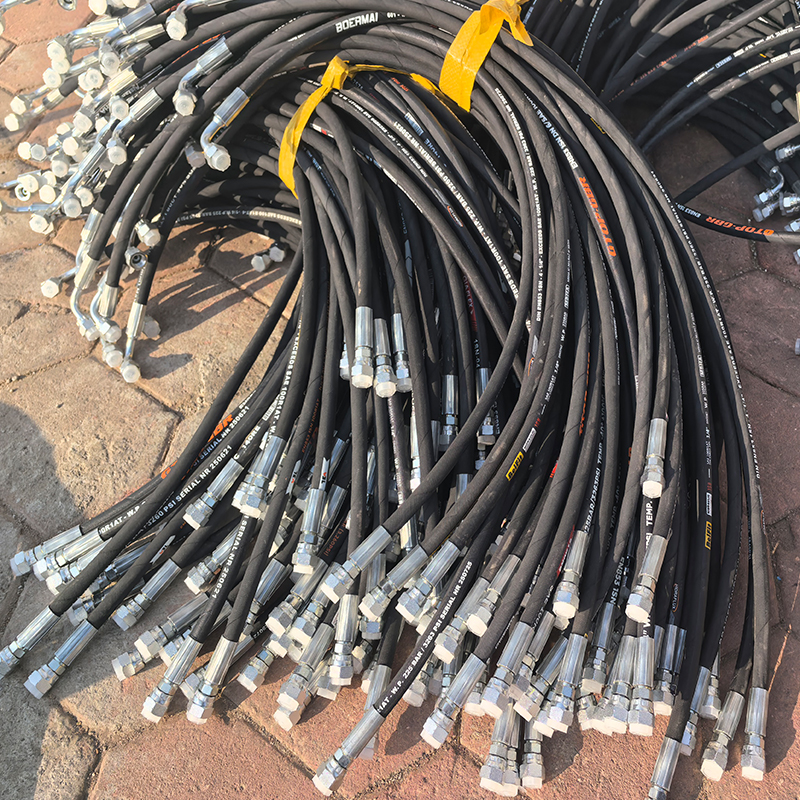 How to Create a Proactive Spiral Hydraulic Hose Replacement Plan That Prevents Downtime?
 Is Your Hydraulic System Overstressing? 5 Diagnostic Signs You Need to Upgrade to Spiral Hose
 Is Your Hydraulic System Pushing Limits? When to Specify Spiral Hose vs. Braided?
 Is Your Machinery Demanding More? Why Upgrade to a Spiral Hydraulic Hose?