
Rubber plugs, though seemingly unassuming components in various systems and appliances, play a critical role in ensuring functionality, safety, and efficiency. From sealing pipelines to preventing leaks in household appliances, these small yet resilient devices are indispensable. However, like all materials, rubber ages and deteriorates over time, necessitating regular inspection and replacement. This article delves into the life expectancy of rubber plugs, factors influencing their longevity, and the importance of establishing appropriate replacement schedules.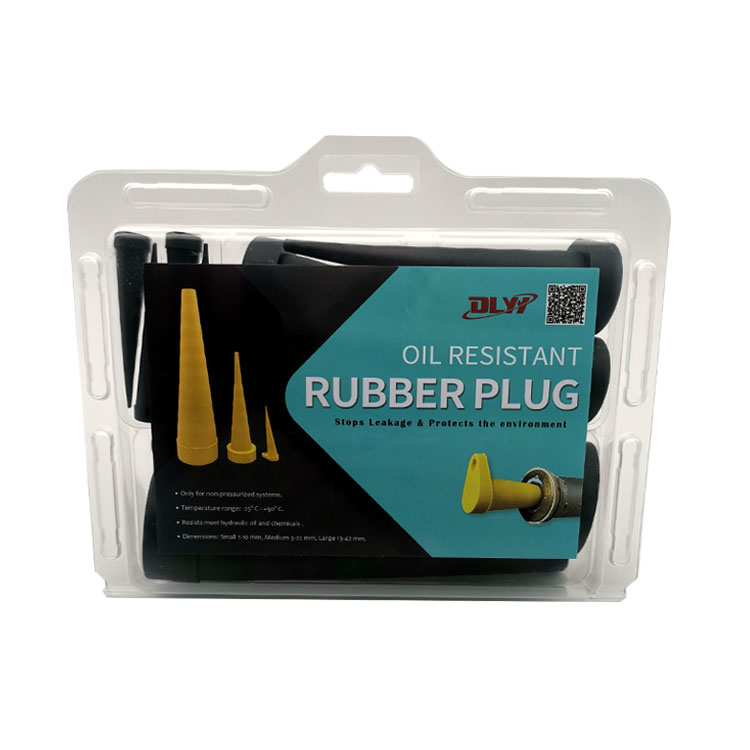
Understanding Rubber Degradation
Rubber, a versatile elastomer, owes its flexibility and durability to its unique molecular structure. However, this same structure makes it susceptible to degradation from environmental factors, chemical exposure, and mechanical stress. The life expectancy of a rubber plug can vary significantly based on several factors, including the type of rubber used, the operating conditions, and the specific application.
One of the primary mechanisms of rubber degradation is oxidation. When exposed to oxygen, especially in the presence of heat and light, rubber undergoes a chemical reaction that leads to the breakdown of its polymer chains. This process, known as thermo-oxidative degradation, results in the loss of elasticity, hardening, and ultimately, cracking of the rubber.
Chemical exposure is another significant factor affecting rubber plug longevity. Certain chemicals, such as oils, solvents, and acids, can react with the rubber, causing swelling, softening, or hardening. In extreme cases, chemical attack can lead to rapid deterioration and failure of the plug.
Mechanical stress, including repeated compression, stretching, or torsion, also contributes to rubber degradation. Over time, these stresses can cause micro-cracks in the rubber surface, which can propagate and lead to complete failure. Additionally, exposure to abrasive materials or sharp edges can accelerate wear and tear.
Factors Influencing Rubber Plug Life Expectancy
Several factors influence the life expectancy of a rubber plug, and understanding these can help in predicting when replacement might be necessary.
Material Composition: The type of rubber used significantly impacts durability. Natural rubber, for example, offers excellent elasticity and resilience but is more prone to oxidation than synthetic rubbers like EPDM (ethylene propylene diene monomer) or NBR (nitrile butadiene rubber).
Operating Temperature: Rubber plugs exposed to high temperatures will degrade faster due to accelerated oxidation and thermal breakdown. Conversely, extremely low temperatures can cause the rubber to become brittle and more susceptible to cracking.
Environmental Conditions: Exposure to UV light, moisture, and ozone can accelerate rubber degradation. In outdoor applications, rubber plugs may need more frequent replacement due to these environmental factors.
Chemical Exposure: As mentioned earlier, exposure to certain chemicals can severely impact the life expectancy of rubber plugs. It's crucial to select a rubber material that is compatible with the specific chemicals it will encounter.
Mechanical Stress: The frequency and intensity of mechanical stress will affect how long a rubber plug lasts. In applications where the plug is subjected to constant or high-stress levels, more frequent inspection and replacement may be necessary.
The Importance of Replacement Schedules
Establishing a replacement schedule for rubber plugs is essential to prevent unexpected failures, which can lead to costly downtime, safety hazards, and environmental damage. The first step in creating a replacement schedule is to assess the specific application and the conditions under which the rubber plug operates.
For critical applications, such as in chemical processing plants or high-pressure systems, a conservative replacement schedule may be necessary. Regular inspections, possibly on a monthly or quarterly basis, can help identify signs of degradation early, allowing for timely replacement.
In less critical applications, such as in household appliances or low-pressure piping systems, a less frequent inspection and replacement schedule may suffice. However, it's still important to periodically check the rubber plugs for signs of wear, cracking, or hardening.
Signs that a rubber plug may need replacement include:
Visible cracks or splits in the rubber surface
Hardening or loss of elasticity
Swelling or softening due to chemical exposure
Deformation or damage from mechanical stress
Leaks or seepage around the plug
When replacing a rubber plug, it's crucial to select a replacement that is compatible with the existing system and operating conditions. Using a plug made from the wrong type of rubber or one that doesn't fit properly can lead to premature failure and potential safety issues.
Maintenance and Inspection Practices
In addition to establishing a replacement schedule, implementing proper maintenance and inspection practices can extend the life expectancy of rubber plugs and ensure their reliability. Here are some best practices:
Regular Inspections: Schedule regular inspections to check for signs of degradation or damage. Use a flashlight and magnifying glass if necessary to examine the plug closely.
Cleaning: Keep the rubber plug and surrounding area clean and free of debris. Dirt and contaminants can accelerate wear and tear and provide a pathway for chemical attack.
Lubrication: In some applications, applying a compatible lubricant to the rubber plug can reduce friction and wear. However, be cautious when selecting a lubricant, as some can react with the rubber and cause degradation.
Storage: When not in use, store rubber plugs in a cool, dry place away from direct sunlight and sources of heat. Proper storage can help extend their shelf life.
Training: Ensure that personnel responsible for inspecting and replacing rubber plugs are adequately trained. They should understand the importance of the task, know how to identify signs of degradation, and be familiar with the correct replacement procedures.
Rubber plugs, despite their simple appearance, are vital components in many systems and appliances. Their life expectancy can vary significantly based on factors such as material composition, operating temperature, environmental conditions, chemical exposure, and mechanical stress. Establishing appropriate replacement schedules and implementing proper maintenance and inspection practices are essential to prevent unexpected failures and ensure the reliability of these critical components.
By understanding the factors that influence rubber degradation and taking proactive steps to monitor and maintain rubber plugs, organizations can minimize downtime, reduce maintenance costs, and enhance safety. Regular inspections, timely replacements, and proper storage and handling practices are key to maximizing the life expectancy of rubber plugs and ensuring their continued performance in various applications.
 How to Create a Proactive Spiral Hydraulic Hose Replacement Plan That Prevents Downtime?
 Is Your Hydraulic System Overstressing? 5 Diagnostic Signs You Need to Upgrade to Spiral Hose
 Is Your Hydraulic System Pushing Limits? When to Specify Spiral Hose vs. Braided?
 Is Your Machinery Demanding More? Why Upgrade to a Spiral Hydraulic Hose?