
In industries ranging from automotive manufacturing to aerospace engineering, maintaining a vacuum-sealed environment is critical for ensuring operational efficiency and product integrity. A small yet indispensable component in this process is the humble rubber plug, often referred to as a service plug. Designed to create airtight seals in vacuum systems, these components play a vital role in preventing leaks, protecting sensitive equipment, and enabling precise pressure control. This article explores the performance characteristics of rubber plugs in vacuum applications, highlighting their design, material science, and practical benefits.
The Role of Rubber Plugs in Vacuum Systems
Vacuum systems rely on the absence of air or gas to function effectively. Whether used in industrial machinery, laboratory equipment, or automotive components, these systems demand components that can withstand extreme pressure differentials without compromising performance. Rubber plugs serve as temporary or permanent seals, blocking openings during manufacturing, testing, or storage. Their ability to conform to irregular surfaces and resist degradation under vacuum makes them ideal for applications where precision and reliability are non-negotiable.
Unlike rigid seals, rubber plugs offer flexibility, allowing them to adapt to slight imperfections in mating surfaces. This adaptability reduces the risk of air infiltration, which could disrupt vacuum processes or contaminate sensitive materials. Additionally, their ease of installation and removal makes them a cost-effective solution for maintaining system integrity during routine maintenance or transitions between operational phases.
Material Science: Choosing the Right Rubber Compound
The performance of a rubber plug in vacuum applications hinges on its material composition. Not all rubbers are created equal, and selecting the appropriate compound depends on factors such as temperature resistance, chemical compatibility, and compression set.
Silicone Rubber: Known for its broad temperature tolerance (-60°F to 450°F), silicone remains flexible in extreme conditions, making it suitable for high-vacuum environments like aerospace or semiconductor manufacturing. Its inert nature also ensures compatibility with corrosive substances.
Fluorocarbon (Viton): This synthetic rubber excels in applications involving oils, fuels, or harsh chemicals. Its low permeability to gases enhances its effectiveness in maintaining vacuum seals over extended periods.
Nitrile Rubber (NBR): A cost-effective option for general-purpose vacuum sealing, nitrile offers good resistance to abrasion and moderate temperatures. It is commonly used in automotive and industrial settings where budget constraints coexist with performance demands.
The choice of material also depends on the expected duration of use. For short-term applications, a standard compound may suffice, while long-term vacuum exposure requires materials with minimal outgassing—a process where trapped gases are released, potentially contaminating the system.
Design Features for Optimal Vacuum Performance
Beyond material selection, the design of a rubber plug significantly impacts its ability to perform under vacuum. Key features include:
Tapered or Interference Fit: A plug designed with a slight taper or oversized diameter creates a tighter seal when compressed into an opening, reducing the likelihood of leaks.
Ribbed or Textured Surfaces: These features enhance grip and prevent the plug from dislodging under pressure fluctuations.
Hollow or Solid Construction: Hollow plugs are lighter and more flexible, while solid plugs offer greater durability for high-stress applications.
Reinforced Sections: Plugs subjected to frequent insertion and removal may include reinforced edges or cores to prevent tearing or deformation.
Manufacturers often customize designs to meet specific industry requirements, ensuring compatibility with unique system geometries or operational pressures.
Applications Across Industries
Rubber plugs prove indispensable in a variety of vacuum-dependent sectors:
Automotive: During engine assembly or testing, plugs seal intake manifolds, exhaust ports, or fluid reservoirs, preventing contaminants from entering and maintaining vacuum integrity.
Aerospace: Components like fuel tanks or hydraulic systems rely on vacuum-sealed plugs to ensure safety and performance at high altitudes.
Medical Devices: Sterilization processes often involve vacuum chambers, where rubber plugs protect internal components from moisture or particulate intrusion.
Electronics Manufacturing: Vacuum deposition techniques used in semiconductor production require plugs to seal chambers during coating processes, preventing unwanted material deposition.
In each case, the plug’s ability to maintain a leak-free seal under varying pressures directly impacts the quality and reliability of the final product.
Maintenance and Longevity in Vacuum Environments
To maximize the lifespan of rubber plugs in vacuum applications, proper maintenance is essential. Regular inspections for cracks, compression set, or material degradation help identify when replacements are needed. Storing plugs in a cool, dry environment away from direct sunlight or ozone exposure prevents premature aging.
Additionally, users should avoid over-tightening plugs, as excessive force can deform the material and compromise the seal. Lubricants compatible with the rubber compound can ease installation and reduce wear, particularly in high-friction applications.
Environmental Considerations and Sustainability
As industries prioritize sustainability, the environmental impact of rubber plugs has come under scrutiny. Manufacturers are increasingly developing eco-friendly alternatives, such as recyclable silicone blends or biodegradable compounds, without sacrificing performance. Some companies also offer reusable plugs designed for multiple cycles, reducing waste and lowering long-term costs.
Furthermore, advancements in material science have led to plugs with lower outgassing rates, minimizing their contribution to greenhouse gas emissions during use. These innovations align with global efforts to reduce industrial carbon footprints while maintaining operational efficiency.
Conclusion
Rubber plugs, though small in size, are mighty in their impact on vacuum applications. Their versatility, durability, and adaptability make them indispensable across industries, from automotive to aerospace. By understanding the interplay of material science, design features, and maintenance practices, engineers and manufacturers can leverage these components to achieve optimal performance in even the most demanding environments. As technology evolves, so too will the capabilities of rubber plugs, ensuring they remain a cornerstone of vacuum sealing solutions for years to come.
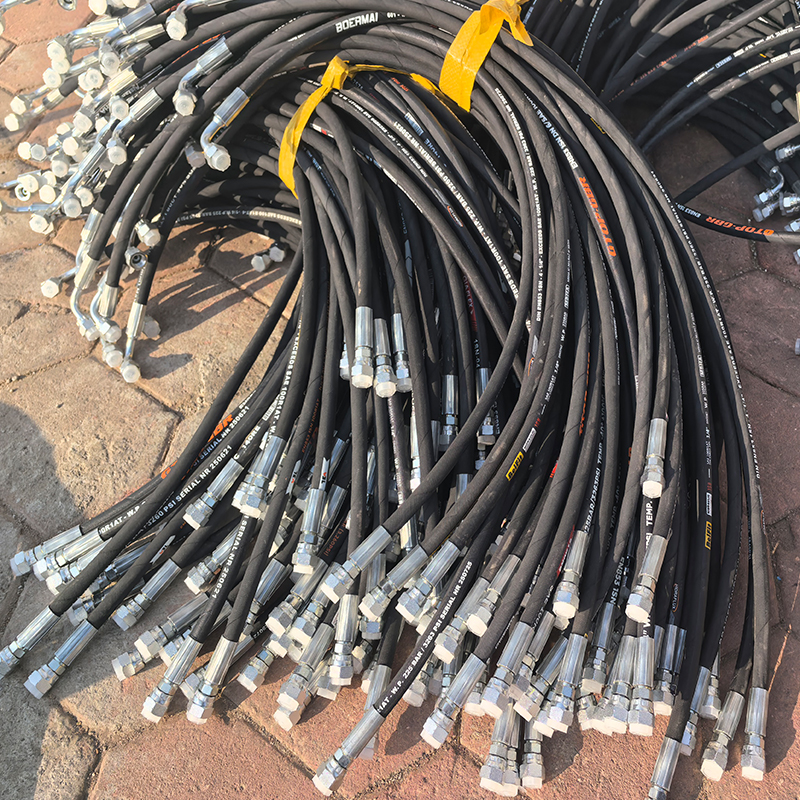 How to Create a Proactive Spiral Hydraulic Hose Replacement Plan That Prevents Downtime?
 Is Your Hydraulic System Overstressing? 5 Diagnostic Signs You Need to Upgrade to Spiral Hose
 Is Your Hydraulic System Pushing Limits? When to Specify Spiral Hose vs. Braided?
 Is Your Machinery Demanding More? Why Upgrade to a Spiral Hydraulic Hose?