
Rubber plugs are ubiquitous in various industries and everyday life, serving as essential components in sealing applications. From preventing leaks in plumbing systems to ensuring the integrity of mechanical parts, rubber plugs play a critical role in maintaining functionality and safety. However, the durability of these plugs can vary significantly based on several factors. Understanding these factors is crucial for selecting the right rubber plug for a specific application and ensuring its longevity. This article delves into the key aspects that influence the durability of rubber plugs, providing insights into material composition, design considerations, environmental factors, and maintenance practices.
Material Composition: The Foundation of Durability
The material from which a rubber plug is made is perhaps the most critical factor determining its durability. Rubber, a broad term encompassing numerous polymers, exhibits varying properties based on its composition. Natural rubber, for instance, offers excellent elasticity and tear resistance but may be susceptible to degradation from ozone and ultraviolet (UV) light. On the other hand, synthetic rubbers like nitrile (NBR), neoprene, and ethylene propylene diene monomer (EPDM) each have their unique strengths and weaknesses.
Nitrile rubber is known for its oil resistance, making it suitable for applications where the plug may come into contact with hydrocarbons. Neoprene exhibits good weathering resistance and is often used in outdoor applications. EPDM, with its excellent resistance to heat, ozone, and chemicals, is ideal for high-temperature environments. The choice of material must align with the specific conditions the rubber plug will encounter, as using an unsuitable material can lead to premature failure.
Furthermore, the durometer (hardness) of the rubber is another critical aspect. A plug with a higher durometer rating will be harder and less flexible, potentially offering better wear resistance but less sealing capability. Conversely, a softer rubber may provide a tighter seal but could wear out more quickly. Balancing these properties is essential to achieve optimal durability.
Design Considerations: Shape, Size, and Functionality
The design of a rubber plug significantly impacts its durability. The shape and size of the plug must conform to the application's requirements to ensure an effective seal without causing undue stress on the material. A poorly designed plug can lead to leaks, excessive wear, or even complete failure.
For example, a plug with sharp edges or abrupt changes in cross-section may experience increased stress concentrations, leading to cracks or tears. Smooth contours and gradual transitions can distribute stress more evenly, enhancing the plug's durability. Additionally, the thickness of the rubber walls is crucial. Too thin, and the plug may tear or extrude under pressure; too thick, and it may become rigid, compromising its sealing ability.
The functionality of the plug also plays a role in its durability. Some plugs are designed to be reusable, requiring robust construction to withstand multiple insertions and removals. Others may be intended for single-use applications where cost-effectiveness is a priority over longevity. Considering the intended use case when designing the plug ensures that it meets both performance and durability expectations.
Environmental Factors: Exposure and Conditions
The environment in which a rubber plug operates is a significant determinant of its durability. Temperature, chemicals, mechanical stress, and exposure to the elements can all affect the lifespan of a rubber plug.
High temperatures can accelerate the aging process of rubber, causing it to harden, crack, or lose elasticity. Conversely, extremely low temperatures can make the rubber brittle, increasing the risk of fracture. Choosing a rubber compound that can withstand the expected temperature range is vital.
Chemicals present in the operating environment can also degrade rubber. Oils, solvents, acids, and bases can all have a detrimental effect, depending on the rubber's chemical resistance. It is essential to select a material that is compatible with the specific chemicals the plug will encounter.
Mechanical stress, such as vibration, pressure fluctuations, or repeated compression and relaxation cycles, can cause fatigue and wear. Designing the plug to minimize stress concentrations and using materials with good fatigue resistance can help mitigate these effects.
Exposure to UV light and ozone can lead to surface cracking and degradation, particularly in outdoor applications. Rubber compounds with added stabilizers and antioxidants can provide better resistance to these environmental factors.
Maintenance Practices: Preventive Measures
Proper maintenance can significantly extend the durability of a rubber plug. Regular inspections can identify signs of wear, damage, or degradation early, allowing for timely repairs or replacements. Keeping the plug clean and free from debris can prevent abrasive wear and ensure a tight seal.
Lubrication can also play a role in maintaining the durability of a rubber plug. In applications where the plug experiences frequent insertion and removal, a suitable lubricant can reduce friction and wear. However, it is essential to choose a lubricant that is compatible with the rubber material to avoid chemical degradation.
Storage conditions are another aspect of maintenance to consider. Rubber plugs should be stored in a cool, dry place away from direct sunlight and sources of ozone. Proper packaging can protect the plugs from dust, moisture, and other contaminants.
In some cases, periodic replacement of rubber plugs may be necessary, even if they appear to be in good condition. Over time, rubber can degrade due to internal chemical reactions, even in the absence of external stressors. Establishing a replacement schedule based on the expected lifespan of the plug and the operating conditions can help prevent unexpected failures.
The durability of rubber plugs is influenced by a complex interplay of material composition, design considerations, environmental factors, and maintenance practices. Selecting the right rubber compound for the application, designing the plug to distribute stress evenly, understanding the environmental conditions, and implementing proper maintenance procedures are all crucial steps in ensuring the longevity of rubber plugs.
By carefully considering these factors, engineers, procurement specialists, and end-users can make informed decisions that balance performance, cost, and durability. Whether in industrial applications, automotive systems, or household use, a well-chosen and properly maintained rubber plug can provide reliable sealing and long-lasting performance. As technology advances and new materials become available, the durability of rubber plugs will continue to improve, meeting the evolving needs of various industries and applications.
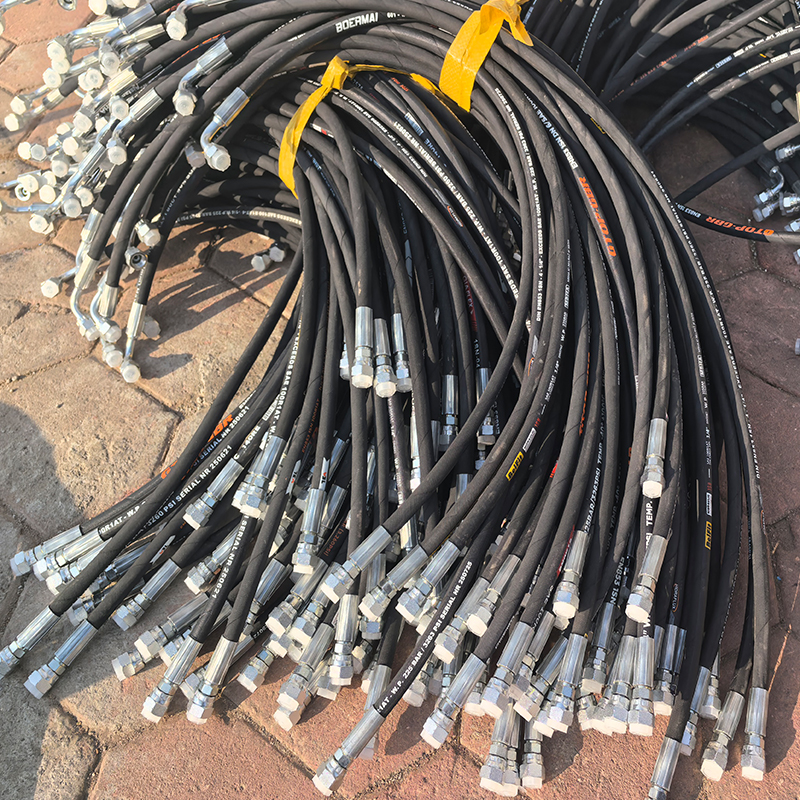 How to Create a Proactive Spiral Hydraulic Hose Replacement Plan That Prevents Downtime?
 Is Your Hydraulic System Overstressing? 5 Diagnostic Signs You Need to Upgrade to Spiral Hose
 Is Your Hydraulic System Pushing Limits? When to Specify Spiral Hose vs. Braided?
 Is Your Machinery Demanding More? Why Upgrade to a Spiral Hydraulic Hose?