
When it comes to maintaining vehicles, machinery, or industrial equipment, attention to detail often determines longevity and performance. One component that frequently goes overlooked is the hub oil seal—a small but critical part designed to prevent lubricant leaks and block contaminants from entering rotating assemblies. While these seals might seem insignificant, their effectiveness hinges on a factor that’s easy to misunderstand: proper alignment. Misalignment, even by a fraction of an inch, can lead to premature wear, costly repairs, and unsafe operating conditions. This article explores why alignment matters, how it impacts hub oil seals, and practical steps to ensure optimal performance.

The Role of Hub Oil Seals in Mechanical Systems
Hub oil seals act as gatekeepers between moving parts and their external environments. Typically found in wheel hubs, axles, and gearboxes, these seals retain grease or oil to lubricate bearings and gears while keeping out water, dirt, and debris. Without them, contaminants would erode components, and lubricants would escape, causing friction, overheating, and eventual failure.
For a seal to function correctly, it must sit flush against the housing with even pressure. This creates a barrier that’s both airtight and flexible enough to accommodate slight movements. However, if the hub or shaft is misaligned, the seal cannot form a uniform contact, leaving gaps for leaks or ingression. Over time, this compromises the entire system’s integrity.
How Misalignment Undermines Seal Performance
Misalignment occurs when the rotational axis of a shaft or hub isn’t perfectly centered with its mating component. This can result from manufacturing tolerances, improper installation, or wear and tear. Even minor deviations—less than the thickness of a human hair—can have dramatic consequences for hub oil seals.
When misaligned, the seal lip experiences uneven pressure. One side may wear faster, creating a pathway for lubricants to escape or contaminants to enter. Additionally, misalignment causes the seal to flex abnormally, generating heat that degrades the material. In extreme cases, the seal can tear or dislodge entirely, leading to sudden loss of lubrication and catastrophic component failure.
The Hidden Costs of Poor Alignment
The repercussions of misaligned hub oil seals extend beyond immediate mechanical issues. For vehicle owners, leaks can stain driveways, damage tires, or trigger warning lights, requiring unplanned trips to the mechanic. In industrial settings, seal failures might halt production lines, endanger workers, or contaminate products.
Consider a fleet of delivery trucks: a single misaligned seal per vehicle could lead to hundreds of dollars in annual maintenance costs per truck, multiplied across dozens of vehicles. Similarly, in manufacturing plants, unplanned downtime due to seal-related breakdowns can cost thousands per hour. These expenses are often preventable with proper alignment practices.
Common Causes of Misalignment in Hub Systems
Understanding the root causes of misalignment helps address the issue proactively. Common culprits include:
Installation Errors: Rushing during assembly or reassembly can lead to off-center mounting. Using worn tools or neglecting torque specifications exacerbates the problem.
Component Wear: Bearings, bushings, or housings that have degraded over time may no longer hold parts in alignment.
Impact Damage: Hitting potholes, curbs, or debris can bend axles or distort hubs, throwing off alignment.
Thermal Expansion: Repeated heating and cooling cycles in high-temperature environments may cause materials to warp slightly.
Design Flaws: In rare cases, poorly engineered components may lack the precision needed to maintain alignment under stress.
Signs Your Hub Oil Seal Needs Attention
Detecting alignment issues early can save time and money. Watch for these warning signs:
Visible Leaks: Grease or oil streaks around the hub or wheels.
Unusual Noises: Grinding, whining, or clicking sounds from the wheel area.
Vibration: Excessive shaking at certain speeds, indicating uneven wear.
Overheating: Bearings or hubs that feel unusually hot to the touch.
Contaminant Buildup: Dirt or grime accumulating near the seal, suggesting a compromised barrier.
If any of these symptoms appear, inspect the alignment and condition of the hub oil seal promptly.
Best Practices for Ensuring Proper Alignment
Maintaining alignment requires a combination of precision tools, technical knowledge, and routine checks. Here’s how to protect your hub oil seals:
Use Alignment gauges: During installation, employ specialized tools to verify that shafts and hubs are perfectly centered.
Follow torque specifications: Over-tightening or under-tightening bolts can distort components. Refer to manufacturer guidelines for exact measurements.
Inspect regularly: Schedule periodic inspections, especially after impacts or extreme operating conditions.
Replace worn parts promptly: Bearings, bushings, and housings should be swapped out at the first sign of wear to prevent misalignment.
Train technicians: Ensure that anyone performing maintenance understands alignment principles and uses correct techniques.
The Long-Term Benefits of Alignment Awareness
Investing time and resources in proper alignment pays dividends in reliability and cost savings. Well-aligned hub oil seals last longer, reducing the frequency of replacements and minimizing environmental waste. For businesses, this translates to fewer breakdowns, safer operations, and stronger customer trust. For individual vehicle owners, it means fewer surprises and a smoother driving experience.
Conclusion: Alignment Is the Foundation of Seal Performance
Hub oil seals are unsung heroes of mechanical systems, but their effectiveness depends entirely on alignment. By recognizing the causes of misalignment, staying vigilant for warning signs, and adopting best practices, operators can extend the lifespan of seals and the components they protect. Whether you’re maintaining a personal vehicle or overseeing an industrial fleet, remember: a little alignment goes a long way in preventing big problems.
In a world where efficiency and sustainability matter more than ever, paying attention to the details—like hub oil seal alignment—is not just smart maintenance. It’s a commitment to quality, safety, and long-term success.
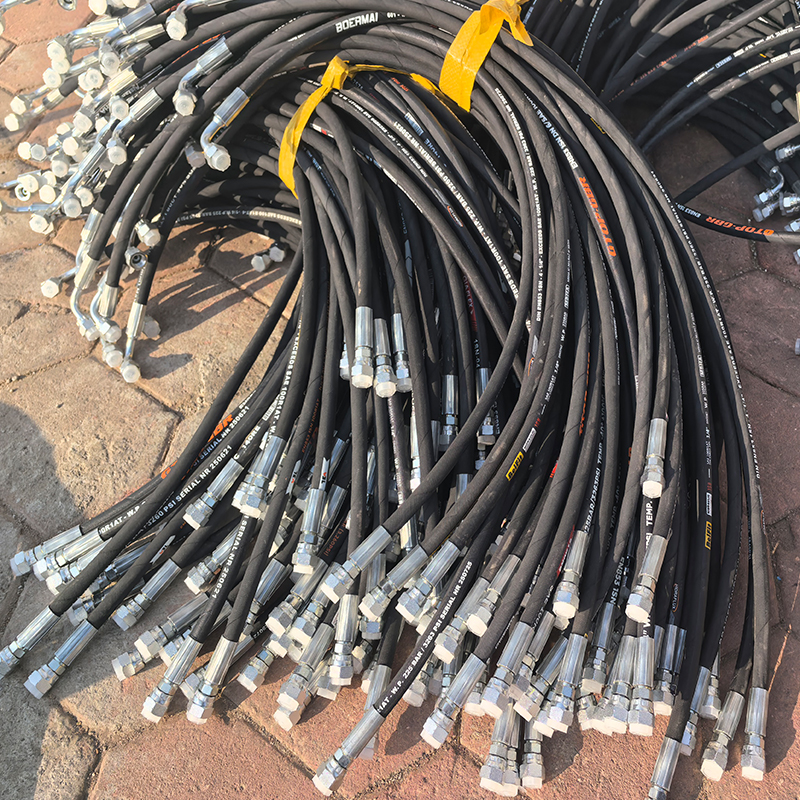 How to Create a Proactive Spiral Hydraulic Hose Replacement Plan That Prevents Downtime?
 Is Your Hydraulic System Overstressing? 5 Diagnostic Signs You Need to Upgrade to Spiral Hose
 Is Your Hydraulic System Pushing Limits? When to Specify Spiral Hose vs. Braided?
 Is Your Machinery Demanding More? Why Upgrade to a Spiral Hydraulic Hose?