
For many Americans who rely on their vehicles for daily commutes, road trips, or heavy-duty tasks, maintaining mechanical integrity is non-negotiable. Yet, some components, like the hub oil seal, often fly under the radar until they fail catastrophically. This small but critical part prevents lubricants from leaking and keeps contaminants out of wheel hub assemblies. When it seizes or deteriorates, the consequences can range from minor inconveniences to hazardous driving conditions. Here’s how to recognize the warning signs before a minor issue becomes a major headache.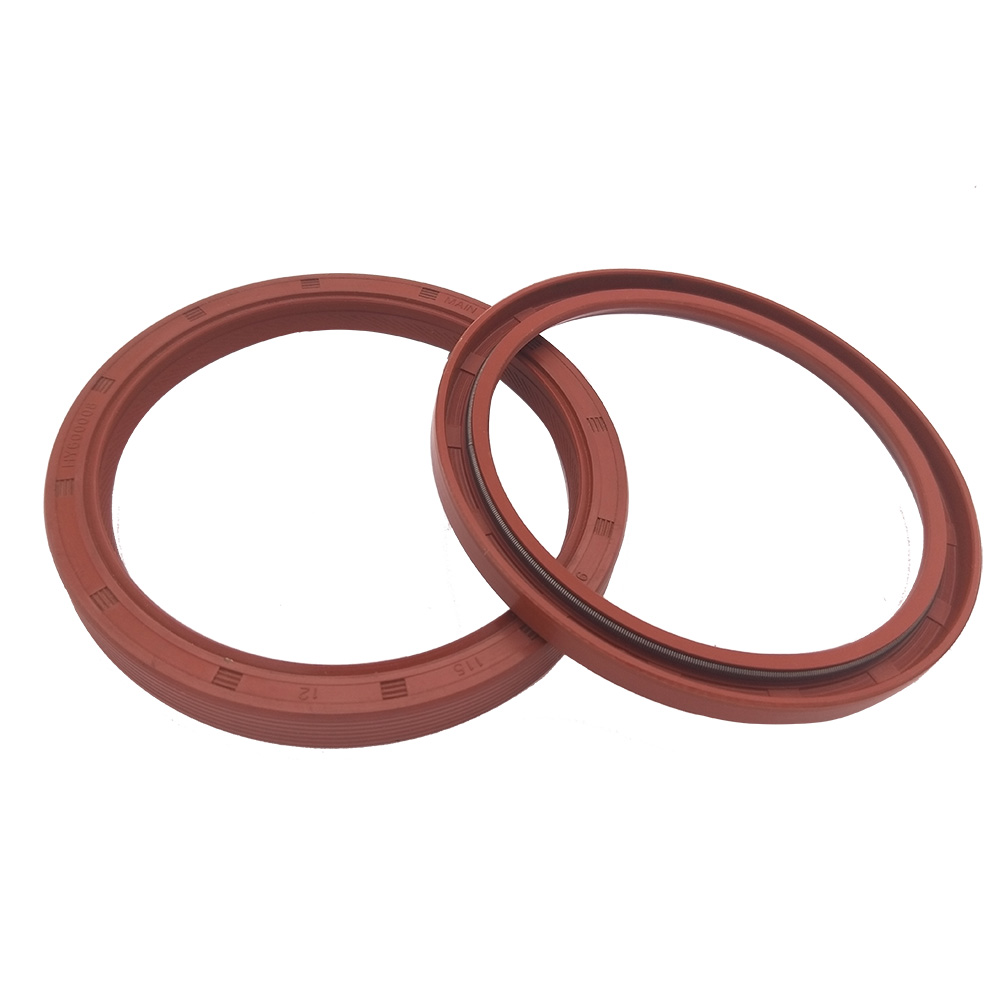
Unusual Noises During Operation
One of the earliest and most noticeable indicators of a failing hub oil seal is the emergence of unfamiliar sounds while driving. A seized seal can cause excessive friction in the wheel hub assembly, leading to grinding or whining noises that intensify with speed. These sounds often originate from the vicinity of the wheels and may become more pronounced during turns or when applying brakes.
Drivers might also hear a rhythmic clunking or clicking noise, particularly when coasting or shifting gears in vehicles with all-wheel drive. This occurs because a compromised seal allows debris or metal shavings to infiltrate the hub, disrupting the smooth rotation of bearings or gears. Ignoring these auditory cues can lead to accelerated wear of adjacent components, turning a simple seal replacement into a costly overhaul.
Visible Leakage Around the Wheel Hub
A healthy hub oil seal forms a tight barrier between the hub assembly and the external environment. When it fails, grease or oil may escape, leaving telltale stains or streaks near the wheel wells. These leaks often appear as dark, greasy residue that accumulates on the inner surface of tires, brake drums, or suspension components.
In some cases, drivers might notice a gradual reduction in grease levels during routine maintenance checks, even without visible leaks. This suggests the seal is no longer retaining lubrication effectively, allowing it to migrate outward or evaporate. Since proper lubrication is essential for reducing heat and friction, a dry hub assembly is a recipe for premature component failure.
Overheating of the Wheel Assembly
Friction generates heat, and a seized hub oil seal exacerbates this issue by depriving moving parts of adequate lubrication. Over time, the wheel hub may become noticeably hot to the touch after short drives, especially under heavy loads or in stop-and-go traffic. This overheating can warp brake rotors, damage wheel bearings, or even cause the hub assembly to lock up entirely.
Advanced symptoms include a burning smell emanating from the affected wheel, which indicates that lubricants have broken down due to excessive heat. At this stage, continuing to drive the vehicle risks catastrophic failure, including wheel detachment—a scenario no driver wants to face.
Vibration or Wobbling While Driving
A compromised hub oil seal can indirectly cause instability in the wheel assembly, leading to vibrations or wobbling sensations through the steering wheel or chassis. This occurs when increased friction disrupts the balance of rotating components, such as bearings or axles. The vibrations may worsen at higher speeds or when navigating curves, creating a disconcerting driving experience.
In severe cases, the wheel itself might exhibit visible play or lateral movement when lifted off the ground. This is a red flag that the hub assembly is no longer functioning as intended, and immediate inspection is warranted.
Difficulty Steering or Uneven Tire Wear
The hub assembly plays a pivotal role in maintaining steering precision and tire alignment. A seized oil seal can alter the dynamics of this system, causing the vehicle to pull to one side or requiring excessive effort to turn the steering wheel. These symptoms are often mistaken for issues with the power steering system or suspension, leading to misdiagnosis and delayed repairs.
Additionally, uneven tire wear—such as scalloping or feathering on the edges—may indicate that the wheel isn’t rotating smoothly due to hub-related friction. Addressing the seal early can prevent secondary damage to tires and steering components, saving drivers from costly replacements down the line.
ABS or Traction Control Warnings
Modern vehicles rely on sensors within the wheel hub assembly to monitor speed and traction. A seized oil seal can interfere with these sensors by exposing them to moisture, debris, or irregular lubrication levels. This may trigger false warnings on the dashboard, such as ABS (Anti-lock Braking System) or traction control alerts, even when no actual malfunction exists.
While these warnings might seem unrelated to a hub seal at first glance, they often point to underlying mechanical issues. A professional diagnostic scan can help determine whether the seal’s failure is affecting sensor performance.
The Importance of Proactive Maintenance
Recognizing the signs of a seized hub oil seal is only half the battle; taking action is equally critical. Regular inspections during tire rotations or brake service can catch early-stage wear before it escalates. Drivers should also adhere to manufacturer-recommended maintenance schedules for lubrication and component checks, particularly in vehicles subjected to harsh driving conditions or heavy towing.
Conclusion
The hub oil seal may be a small part, but its role in vehicle safety and performance is undeniable. By staying vigilant for unusual noises, leaks, overheating, or steering irregularities, drivers can address issues before they compromise safety or drain their wallets. Whether you’re a daily commuter or a weekend adventurer, understanding these warning signs ensures your vehicle stays reliable mile after mile. When in doubt, consult a trusted mechanic to diagnose and resolve hub-related concerns promptly—your peace of mind is worth it.
 How to Create a Proactive Spiral Hydraulic Hose Replacement Plan That Prevents Downtime?
 Is Your Hydraulic System Overstressing? 5 Diagnostic Signs You Need to Upgrade to Spiral Hose
 Is Your Hydraulic System Pushing Limits? When to Specify Spiral Hose vs. Braided?
 Is Your Machinery Demanding More? Why Upgrade to a Spiral Hydraulic Hose?