
In construction projects, ensuring structures remain watertight is paramount, especially in areas prone to water exposure, such as basements, tunnels, and dams. One critical component in achieving this goal is rubber waterstop material. Often overlooked but indispensable, waterstops serve as barriers to prevent water from seeping through concrete joints. For American contractors, engineers, and homeowners, understanding the cost of rubber waterstop materials is essential for budgeting and project planning. This article delves into the factors influencing these costs, explores different types of waterstops, and offers insights into maximizing value for money.
Understanding the Role of Rubber Waterstops
Before diving into costs, it’s crucial to grasp why rubber waterstops are integral to construction. These flexible strips, typically embedded within concrete joints, expand and contract with temperature fluctuations and structural movements, maintaining a watertight seal. Their primary function is to block water ingress, which can lead to structural damage, mold growth, and costly repairs over time.
The choice of rubber material—often synthetic rubbers like EPDM, neoprene, or nitrile—depends on the project’s specific needs, such as exposure to chemicals, UV rays, or extreme temperatures. Each material offers distinct advantages, influencing both performance and cost.
Factors Influencing the Cost of Rubber Waterstops
Several variables impact the pricing of rubber waterstop materials. Understanding these can help stakeholders make informed decisions:
Material Type and Quality
Higher-grade rubbers, such as those resistant to oils or harsh chemicals, typically cost more. For instance, nitrile rubber, known for its oil resistance, may be pricier than standard EPDM.
Dimensions and Thickness
Thicker or wider waterstops require more material, increasing costs. Projects needing custom dimensions to fit irregular joints will also incur higher expenses.
Project Scale
Larger projects often benefit from economies of scale, reducing the per-unit cost. Conversely, smaller jobs might face higher prices due to lower order volumes.
Supplier and Location
Pricing can vary significantly between suppliers and regions. Local availability, shipping costs, and regional demand all play roles. For example, urban areas with higher construction activity might see slightly elevated prices.
Installation Complexity
While not a material cost per se, complex installations requiring specialized labor or additional accessories (like adhesive tapes or termination bars) can inflate overall project expenses.
Types of Rubber Waterstops and Their Cost Implications
Different waterstop designs cater to specific applications, each with its cost profile:
Dumbbell Waterstops
A common choice for general use, these have a central bulb and flat flanges. Their simplicity makes them affordable, ideal for standard construction joints.
Ribbed or Centerbulb Waterstops
Designed for high-movement joints, these feature ribs or bulbs that enhance flexibility. Their enhanced performance justifies a slightly higher price tag.
Splice Kits and Accessories
Joining waterstop sections requires splice kits or adhesive tapes. While these add to costs, they ensure continuity and effectiveness, preventing leaks at joints.
Swellable Waterstops
A newer innovation, these absorb water and expand to fill gaps, offering self-sealing properties. Though pricier, they can reduce long-term maintenance costs in high-risk areas.
Regional Pricing Trends in the United States
Costs for rubber waterstop materials can fluctuate based on geographic location. For instance:
Northeast and West Coast
Higher living costs and stringent building codes in states like California and New York may lead to premium pricing.
Midwest and South
Lower overhead costs and competitive markets in regions like Texas or Ohio often result in more budget-friendly options.
Urban vs. Rural Areas
Cities typically have higher material costs due to demand and transportation expenses, while rural areas might offer discounts for bulk purchases.
Balancing Cost and Quality: Tips for Savvy Buyers
While cost is a significant factor, compromising on quality can lead to leaks and structural issues down the line. Here’s how to strike a balance:
Prioritize Certifications
Look for materials meeting ASTM or AASHTO standards, ensuring durability and performance.
Request Samples
Testing samples before bulk purchases can verify suitability for the project’s environmental conditions.
Negotiate Bulk Discounts
Larger orders often qualify for reduced per-unit pricing. Consolidate purchases where possible.
Consider Long-Term Savings
Investing in premium materials upfront might reduce maintenance and replacement costs over the structure’s lifespan.
Consult with Experts
Engage with waterproofing specialists or engineers to recommend the most cost-effective solution without sacrificing quality.
The Hidden Costs of Poor Waterstop Selection
Opting for cheaper, lower-quality waterstops can result in substantial hidden expenses:
Leak Repairs
Water ingress can damage concrete, rebar, and finishes, necessitating expensive repairs.
Structural Integrity
Persistent moisture weakens structures, potentially leading to safety hazards and costly retrofits.
Downtime and Disruption
Fixing leaks often halts construction or operations, incurring additional financial losses.
Legal and Compliance Issues
Failure to meet building codes due to inadequate waterproofing can result in fines or project delays.
Future Trends Affecting Rubber Waterstop Pricing
Several emerging trends may influence future costs:
Sustainable Materials
Eco-friendly rubbers or recycled materials could become more prevalent, potentially altering pricing dynamics.
Technological Advancements
Innovations like smart waterstops with built-in leak detection might command premium prices initially.
Supply Chain Disruptions
Global events, such as pandemics or geopolitical tensions, could impact material availability and costs.
Increased Regulation
Stricter environmental or safety standards might raise production costs, passed on to consumers.
Conclusion
The cost of rubber waterstop materials hinges on multiple factors, from material type and project scale to regional pricing trends. While budget constraints are inevitable, prioritizing quality and long-term performance is crucial to avoiding costly repairs and ensuring structural longevity. By understanding the nuances of waterstop selection and staying informed about market trends, American stakeholders can make strategic decisions that balance upfront costs with enduring value.
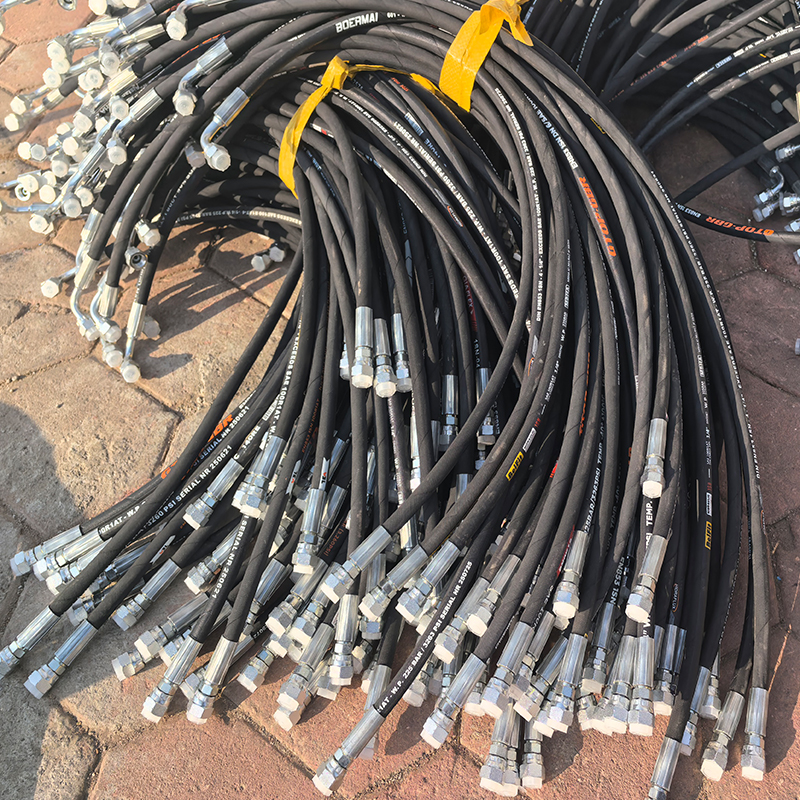 How to Create a Proactive Spiral Hydraulic Hose Replacement Plan That Prevents Downtime?
 Is Your Hydraulic System Overstressing? 5 Diagnostic Signs You Need to Upgrade to Spiral Hose
 Is Your Hydraulic System Pushing Limits? When to Specify Spiral Hose vs. Braided?
 Is Your Machinery Demanding More? Why Upgrade to a Spiral Hydraulic Hose?