
Rubber waterstops are critical components in construction projects, designed to prevent water infiltration in concrete joints and structural gaps. Their durability and effectiveness directly impact the longevity of infrastructure. However, determining their lifespan involves understanding multiple factors, from material quality to environmental conditions. This article explores the typical lifespan of rubber waterstops, the variables affecting their performance, and best practices for maximizing their service life.
Factors Influencing the Lifespan of Rubber Waterstops
The lifespan of rubber waterstops varies widely, typically ranging from 10 to 50 years, depending on several key factors:
Material Quality: High-quality synthetic or natural rubber formulations resist aging, cracking, and chemical degradation better than inferior alternatives. For instance, waterstops made from ethylene propylene diene monomer (EPDM) or vulcanized rubber often outperform those using substandard materials.
Installation Practices: Improper installation—such as misalignment, loose joints, or damage during concrete pouring—can drastically shorten a waterstop’s effectiveness. Proper embedding in concrete and avoiding foreign object intrusion are critical.
Environmental Conditions: Exposure to extreme temperatures, UV radiation, saltwater, or aggressive chemicals accelerates material degradation. For example, rubber waterstops in coastal areas may degrade faster due to saltwater corrosion.
Common Causes of Premature Failure
Even durable rubber waterstops can fail prematurely under adverse conditions:
Material Degradation: Low-quality rubber may crack or lose elasticity over time, especially when exposed to ozone or pollutants.
Physical Damage: Impact from construction activities or structural shifts can tear or displace waterstops.
Chemical Exposure: Contact with acids, alkalis, or petroleum-based substances weakens rubber integrity.
Improper Maintenance: Neglecting routine inspections and repairs allows minor issues to escalate into leaks.
Best Practices for Extending Lifespan
To maximize the lifespan of rubber waterstops, consider the following strategies:
Select High-Performance Materials: Opt for waterstops with additives for UV resistance, thermal stability, and chemical resilience. Swellable rubber variants, which expand to seal gaps, are particularly effective in dynamic environments.
Ensure Professional Installation: Follow manufacturer guidelines for placement and ensure joints are tightly sealed. Using detachable or flexible designs can accommodate structural movements.
Implement Protective Measures: Apply anti-corrosion coatings or install secondary drainage systems to reduce water pressure on the waterstop.
Regular Maintenance: Clean surfaces to remove debris and apply anti-aging treatments, such as rubber conditioners, to preserve elasticity.
Signs That a Rubber Waterstop Needs Replacement
Timely replacement prevents catastrophic leaks. Watch for these indicators:
Visible Damage: Cracks, tears, or permanent deformation.
Loss of Elasticity: Brittleness or failure to return to original shape after compression.
Water Infiltration: Dampness or pooling near joints, signaling compromised seals.
Age: Proactively replace waterstops nearing the end of their expected lifespan (e.g., 20–30 years for standard products).
Case Study: Lessons from Real-World Applications
A high-rise building in an urban area experienced leaks due to improperly installed rubber waterstops. Investigations revealed loose joints and concrete spillage damaging the seals. The solution involved replacing the waterstops with high-grade, swellable variants, improving installation protocols, and adding seismic buffers to reduce structural stress. This case underscores the importance of quality materials and precision in installation.
Conclusion
The lifespan of rubber waterstops is not fixed but depends on a synergy of material science, engineering practices, and environmental stewardship. While high-quality products can last decades, their performance hinges on proactive maintenance and adherence to best practices. By understanding the factors that influence durability, engineers and builders can ensure these essential components protect structures for generations.
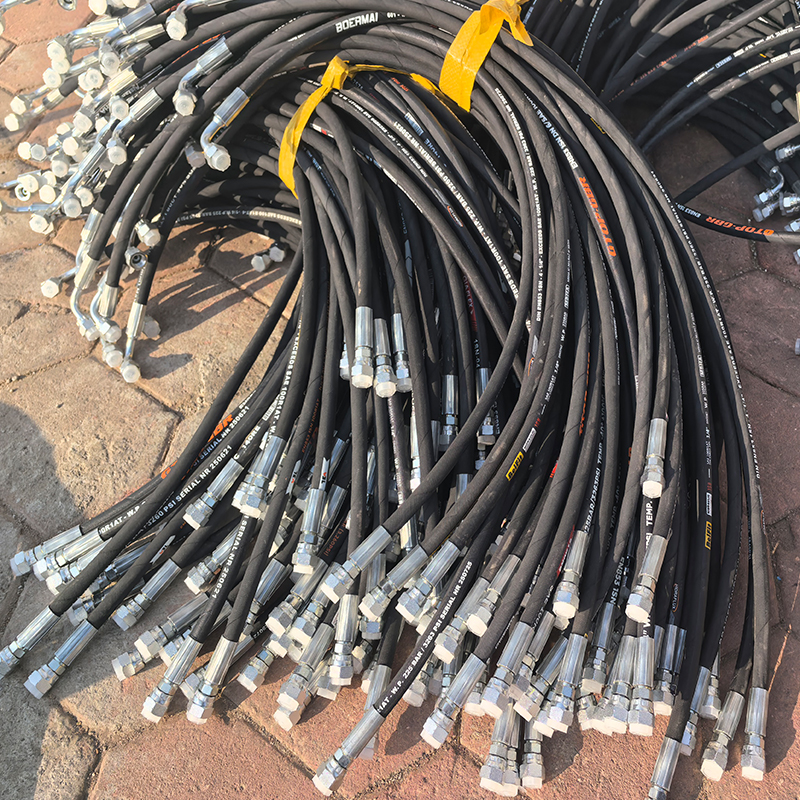 How to Create a Proactive Spiral Hydraulic Hose Replacement Plan That Prevents Downtime?
 Is Your Hydraulic System Overstressing? 5 Diagnostic Signs You Need to Upgrade to Spiral Hose
 Is Your Hydraulic System Pushing Limits? When to Specify Spiral Hose vs. Braided?
 Is Your Machinery Demanding More? Why Upgrade to a Spiral Hydraulic Hose?