
In the intricate network of plumbing and piping systems that keep homes and businesses running smoothly, flexible pipe couplings play a pivotal yet often underappreciated role. These unassuming components serve as connectors, allowing pipes of different materials or diameters to join forces seamlessly, while also accommodating slight movements and vibrations that are inevitable in any dynamic system. However, like all mechanical parts, flexible pipe couplings are not immortal. Knowing when to replace them is crucial to preventing leaks, water damage, and costly repairs down the line.
Visible Signs of Wear and Tear
The most straightforward indicator that a flexible pipe coupling needs replacement is visible damage. Over time, exposure to water, chemicals, and varying temperatures can cause the coupling's material to degrade. Look for cracks, splits, or any signs of corrosion on the coupling's surface. If the coupling appears brittle or has lost its original flexibility, it's a clear sign that its integrity has been compromised. Additionally, check for any leaks around the coupling area. Even a small drip can escalate into a major problem if left unattended, so don't ignore these early warning signs.
Age and Usage Factors
Flexible pipe couplings, like any other component, have a finite lifespan. While the exact duration depends on factors such as the quality of the material, the environment in which it operates, and the frequency of use, a general rule of thumb is to consider replacement every 5 to 10 years as a proactive measure. If the coupling is subjected to extreme conditions, such as high pressure, high temperature, or corrosive substances, its lifespan may be significantly shorter. Regularly inspecting and documenting the age and condition of your couplings can help you stay ahead of potential issues.
Changes in System Performance
A sudden drop in water pressure, unusual noises coming from the pipes, or vibrations that weren't present before can all be indicators that a flexible pipe coupling is no longer functioning optimally. These symptoms often suggest that the coupling is not sealing properly, allowing air or water to escape, or that it's unable to absorb vibrations as it should. While these issues can sometimes be resolved through tightening or adjusting the coupling, persistent problems usually warrant a full replacement to ensure the long-term reliability of your piping system.
Upgrading for Efficiency and Compliance
Technology and standards in the plumbing industry are constantly evolving. If your current flexible pipe couplings are outdated, replacing them with newer, more efficient models can not only improve the performance of your system but also ensure compliance with the latest safety and environmental regulations. For instance, newer couplings may offer better resistance to chemicals, higher pressure ratings, or improved energy efficiency, all of which can translate into long-term savings and peace of mind.
Preparing for Renovations or System Expansions
When undertaking home renovations or expanding your plumbing system, it's an opportune time to assess and replace flexible pipe couplings. Renovations often involve moving or altering pipes, which can put additional stress on existing couplings. Even if they appear to be in good condition, the disruption caused by renovation work can weaken their seal or compromise their structural integrity. Similarly, when expanding your system, using new couplings ensures that all components are compatible and capable of handling the increased load without issues.
The Importance of Professional Inspection
While homeowners can perform basic visual inspections, a thorough evaluation of flexible pipe couplings should ideally be carried out by a licensed plumber. Professionals have the training, experience, and specialized tools to detect subtle signs of wear and tear that may not be immediately apparent to the untrained eye. They can also provide expert advice on the best type of coupling for your specific needs, taking into account factors such as pipe material, diameter, and the operating environment. Regular professional inspections, typically recommended every 1-2 years, can help catch potential problems early and extend the lifespan of your piping system.
Conclusion: A Proactive Approach to Maintenance
In the grand scheme of home maintenance, replacing flexible pipe couplings may seem like a minor task. However, neglecting this responsibility can lead to major headaches and expenses down the road. By staying vigilant for signs of wear and tear, considering age and usage factors, monitoring system performance, upgrading when necessary, preparing for renovations, and seeking professional inspections, homeowners can ensure that their piping systems remain efficient, safe, and reliable for years to come. Remember, a little proactive maintenance today can save a lot of trouble tomorrow.
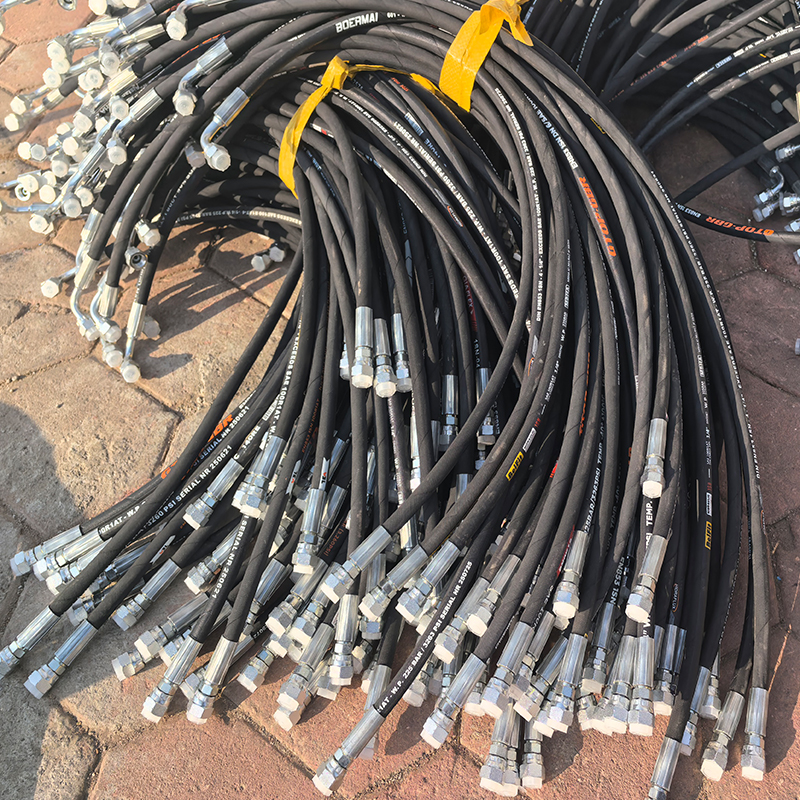 How to Create a Proactive Spiral Hydraulic Hose Replacement Plan That Prevents Downtime?
 Is Your Hydraulic System Overstressing? 5 Diagnostic Signs You Need to Upgrade to Spiral Hose
 Is Your Hydraulic System Pushing Limits? When to Specify Spiral Hose vs. Braided?
 Is Your Machinery Demanding More? Why Upgrade to a Spiral Hydraulic Hose?