
When it comes to industrial and household applications, durability is a top priority. Rubber service plugs, often used to seal, protect, or isolate components during manufacturing, maintenance, or storage, are no exception. One of the most common questions about these versatile tools is whether they can withstand abrasion—a critical factor for products exposed to friction, repeated use, or harsh environments. This article explores the abrasion resistance of rubber service plugs, their material composition, real-world applications, and tips for maximizing their lifespan.
What Makes Rubber Service Plugs Durable?
Rubber service plugs owe their resilience to the materials used in their construction. Most are made from synthetic or natural rubber compounds, which are engineered to balance flexibility, chemical resistance, and toughness. The choice of rubber type depends on the intended use:
Natural rubber offers excellent elasticity and tear resistance but may struggle in extreme temperatures.
Synthetic rubbers like nitrile (NBR), silicone, or EPDM are tailored for specific environments, such as oil resistance (NBR) or UV stability (EPDM).
To enhance abrasion resistance, manufacturers often incorporate additives like carbon black or plasticizers. These compounds create a tougher surface layer that resists scratches, cuts, and wear over time. The thickness of the rubber plug also plays a role—thicker designs distribute pressure more evenly, reducing localized wear.
How Does Abrasion Affect Rubber Plugs?
Abrasion occurs when a material’s surface is worn down by friction, impact, or contact with rough surfaces. For rubber service plugs, this can manifest in several ways:
Surface scuffing: Light abrasion may leave visible marks but doesn’t compromise functionality.
Thinning: Repeated friction can reduce the service plug’s thickness, weakening its seal or structural integrity.
Cracking: In severe cases, abrasion can lead to micro-tears, which may expand under stress.
The severity of abrasion depends on factors like the rubber seal plug’s material, the surface it contacts, and the frequency of use. For example, a rubber service plug used in a high-traffic industrial setting might wear faster than one in a static storage application.
Real-World Applications Where Abrasion Resistance Matters
Rubber service plugs are used across industries, and their ability to resist abrasion is critical in many scenarios:
Automotive sector: Plugs protect engine components, threaded holes, or fluid ports during assembly or shipping. Constant vibration and contact with metal parts demand high abrasion resistance.
Construction and manufacturing: Rubber plugs seal pipes, valves, or machinery during maintenance. Exposure to concrete dust, metal shavings, or tools requires a durable surface.
Household and DIY projects: Rubber plugs used in plumbing or appliance repair may rub against rough surfaces during installation or removal.
In each case, a rubber service plug that resists abrasion ensures a reliable seal, prevents leaks, and reduces the need for frequent replacements.
Comparing Rubber Plugs to Other Materials
While rubber is a popular choice, it’s not the only material used for service plugs. How does it stack up against alternatives like plastic or metal?
Plastic plugs: Lightweight and cost-effective, but often prone to cracking under impact or prolonged friction.
Metal plugs: Extremely durable but rigid, making them unsuitable for applications requiring a tight seal or flexibility.
Rubber plugs: Strike a balance between durability and adaptability. Their ability to conform to irregular shapes and absorb vibrations makes them ideal for dynamic environments.
For abrasion resistance specifically, rubber outperforms plastic in most scenarios, though high-grade plastics (like POM or PTFE) may compete in niche uses.
Tips for Extending the Lifespan of Rubber Plugs
Even the most abrasion-resistant rubber plugs benefit from proper care. Here’s how to maximize their longevity:
Avoid sharp edges: When inserting or removing rubber seal plugs, minimize contact with rough or jagged surfaces.
Store properly: Keep service plugs in a cool, dry place away from direct sunlight, which can degrade rubber over time.
Rotate usage: If multiple rubber service plugs are available, rotate their use to distribute wear evenly.
Clean regularly: Dirt and debris can act as abrasives. Wipe rubber seal plugs with a damp cloth to remove particles.
Choose the right material: Match the rubber plug’s rubber type to its environment (e.g., oil-resistant rubber for automotive applications).
When to Replace Worn Rubber Plugs
No rubber plug lasts forever. Signs that it’s time for a replacement include:
Visible cracks or splits.
Significant thinning or deformation.
Difficulty maintaining a seal (e.g., leaks or loose fits).
Stiffness or loss of elasticity, often caused by aging or chemical exposure.
Regular inspections can catch these issues early, preventing costly damage to the systems the service plugs protect.
The Future of Rubber Service Plug Technology
Advancements in material science continue to improve the abrasion resistance of rubber plugs. Innovations like self-healing rubber (which repairs minor surface damage) or hybrid composites (combining rubber with durable fibers) are on the horizon. Additionally, 3D printing allows for customized designs that optimize strength in high-wear areas.
As industries demand longer-lasting, eco-friendly solutions, manufacturers are also exploring biodegradable rubber compounds and recycled materials without sacrificing performance.
Conclusion: Are Rubber Service Plugs Up to the Challenge?
The answer depends on the quality of the material, the application’s demands, and proper maintenance. When selected and cared for correctly, rubber service plugs offer excellent abrasion resistance, making them a reliable choice for sealing, protecting, and isolating components across industries. By understanding their limitations and leveraging their strengths, users can ensure these unassuming tools deliver long-lasting performance.
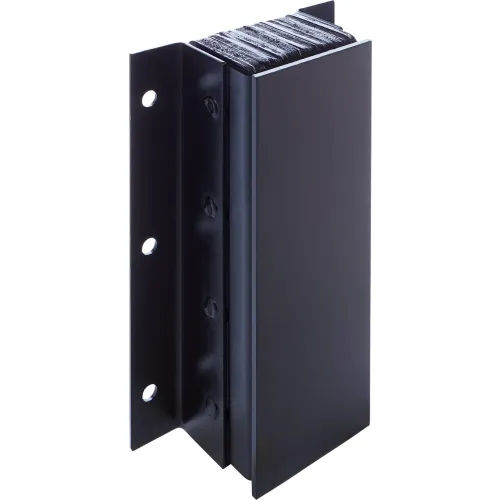 Steel-Faced Laminated Rubber Bumper: 5 Field Problems Buyers Keep Finding After Installation
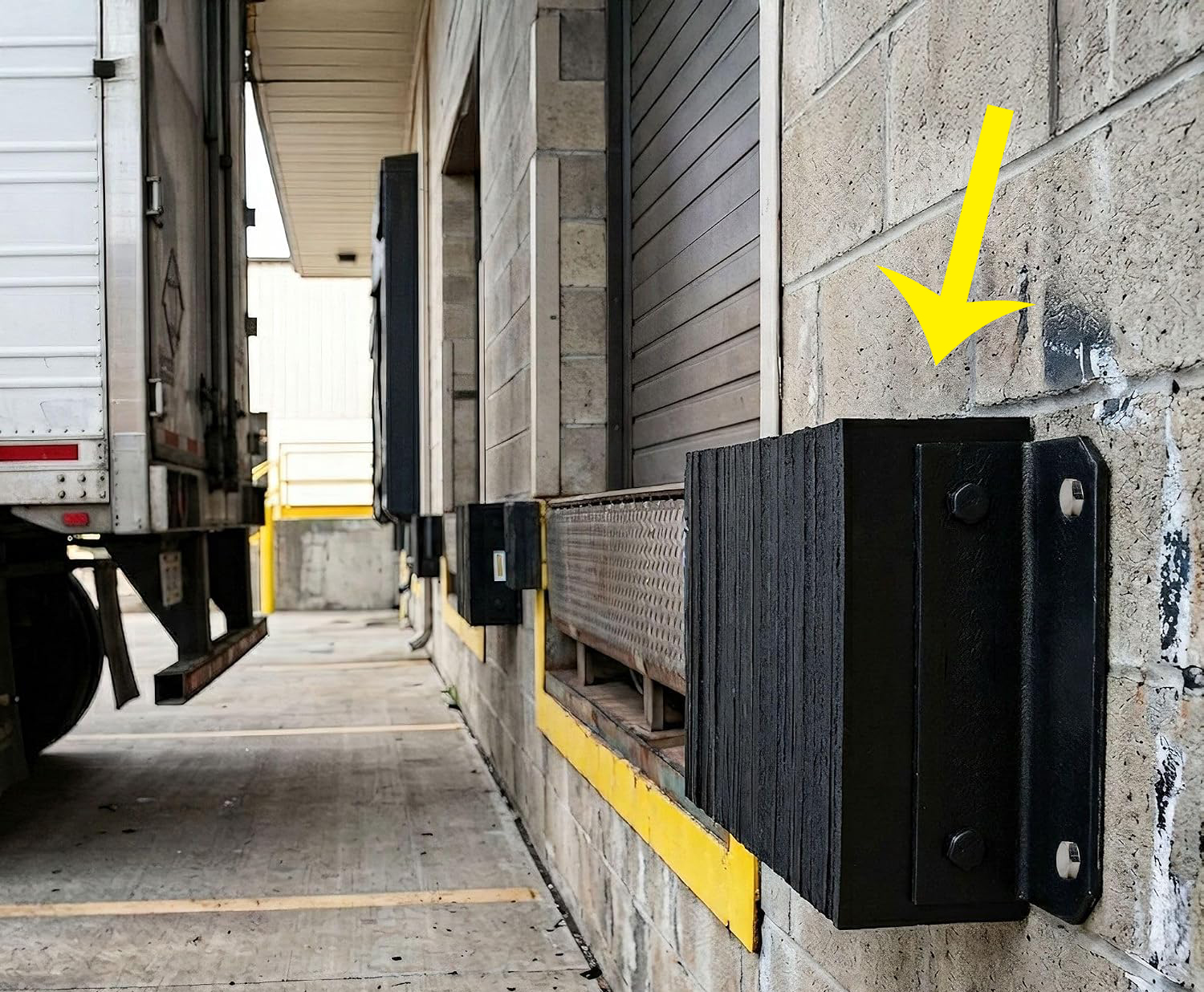 Rubber Laminated Loading Dock Bumper with Steel Angle: 5 Field Failure Signs That Point Back to the RFQ
 Bridge Bearing Pad Field Failure: 5 Visual Signs Before It Retires (And What Caused It)
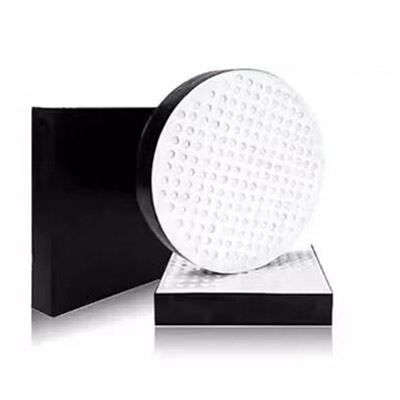 Bridge Bearing Pad RFQ Checklist: 9 Lines That Stop Suppliers From Subbing the Rubber