
When winter arrives or operations shift to frigid climates, selecting the right components for equipment becomes critical. Among these, rubber service plugs—a versatile solution for sealing, protecting, or capping openings—play a pivotal role. However, not all rubber plugs are built to withstand cold temperatures. Choosing the wrong type could lead to brittleness, leaks, or system failures. This guide explores how to evaluate and select rubber service plugs tailored for cold environments, ensuring reliability and longevity.
Understand the Role of Rubber Service Plugs in Cold Climates
Rubber service plugs are designed to create airtight or watertight seals in various applications, from automotive systems to industrial machinery. In cold environments, their primary challenge is maintaining flexibility and structural integrity despite low temperatures. When exposed to frost, ice, or sub-zero conditions, inferior materials may harden, crack, or lose elasticity, compromising their function.
For example, a service plug used to seal a hydraulic line in a snowplow must remain pliable to prevent leaks, even when temperatures plummet. Similarly, rubber plugs in outdoor electrical enclosures must resist becoming brittle to avoid safety hazards. Understanding these stakes highlights the importance of material selection and design.
Prioritize Temperature-Resistant Rubber Compounds
The foundation of a cold-resistant rubber plug lies in its material composition. Not all rubber types perform equally in low temperatures. Here are three common compounds suited for frigid conditions:
Silicone Rubber: Renowned for its flexibility across a wide temperature range (-50°C to 200°C), silicone remains pliable even in extreme cold. It resists cracking and maintains sealing properties, making it ideal for automotive, aerospace, and outdoor applications.
Neoprene: This synthetic rubber offers a balance of cold resistance and durability. While not as flexible as silicone at sub-zero temperatures, it performs well in moderate cold and resists oils, chemicals, and UV exposure.
EPDM (Ethylene Propylene Diene Monomer): EPDM excels in cold weather, retaining elasticity down to -40°C. It’s often used in outdoor seals, gaskets, and service plugs due to its resistance to weathering and ozone.
When evaluating options, prioritize materials with proven low-temperature performance. Manufacturers typically provide temperature ratings—look for plugs rated for at least -30°C to ensure reliability in most cold climates.
Evaluate Design Features for Cold Applications
Beyond material, design elements significantly impact a rubber seal plug’s performance in cold environments. Consider the following:
Thickness and Flexibility: Thicker rubber service plugs may resist deformation but could become rigid in the cold. Opt for designs that balance durability with flexibility, such as ribbed or tapered shapes that maintain a seal without excessive force.
Sealing Mechanism: Some service plugs rely on compression, while others use interference fits or O-ring grooves. In cold weather, compression plugs may require less force to install, reducing the risk of material stress.
Thread Compatibility: For threaded applications, ensure the plug’s threads are designed to withstand contraction. Metal inserts or reinforced rubber can prevent stripping in icy conditions.
A well-designed rubber seal plug will account for thermal contraction, ensuring a secure fit even as temperatures drop.
Assess Durability Against Environmental Stressors
Cold environments often come with additional challenges: ice formation, moisture, and repeated freeze-thaw cycles. A rubber service plug must resist these stressors to avoid premature failure.
Moisture Resistance: Choose rubber service plugs with hydrophobic properties or coatings to prevent water absorption, which can lead to freezing and expansion.
UV and Ozone Resistance: Prolonged exposure to sunlight or ozone can degrade rubber. EPDM and silicone are particularly resistant, making them suitable for outdoor use.
Chemical Resistance: If the rubber seal plug will contact de-icing agents, fuels, or cleaning chemicals, verify compatibility to avoid swelling or corrosion.
Testing rubber plugs under simulated cold conditions—such as submerging them in icy water or cycling temperatures—can validate their durability.
Consider Ease of Installation in Cold Weather
Installing rubber plugs in freezing temperatures can be challenging. Stiff materials may require excessive force, leading to worker fatigue or damage. Look for features that simplify installation:
Ergonomic Handles or Grips: Some rubber service plugs include textured surfaces or extended tabs for easier handling, even with gloves.
Low-Temperature Lubricants: Pre-applying a silicone-based lubricant can reduce friction during insertion.
Split or Hinged Designs: For large or complex openings, hinged plugs allow partial installation before final seating, minimizing exposure to cold.
Prioritizing user-friendly designs reduces installation time and errors, especially in harsh conditions.
Verify Compliance with Industry Standards
To ensure safety and performance, select rubber service plugs that meet relevant industry standards. For example:
ASTM D2000: This standard classifies rubber materials by their physical properties, including low-temperature flexibility.
SAE J200: Used in automotive applications, this standard specifies requirements for seals and gaskets in cold environments.
Military Specifications (MIL-SPEC): For defense or aerospace use, MIL-STD-810G outlines testing procedures for cold weather performance.
Certifications provide assurance that the rubber service plugs have undergone rigorous testing, reducing the risk of failure in critical applications.
Partner with Suppliers Offering Customization and Support
Not all cold environments are identical. A supplier experienced in custom solutions can tailor plugs to specific needs, such as unique sizes, shapes, or material blends. Look for partners who offer:
Prototyping Services: Testing custom designs before full-scale production.
Technical Guidance: Experts who understand cold-weather challenges and can recommend optimal solutions.
Rapid Prototyping: Quick turnaround times for urgent or niche requirements.
A collaborative supplier ensures the final product aligns with your operational demands.
Conclusion: Making Informed Choices for Cold-Weather Reliability
Selecting rubber service plugs for cold environments requires a holistic approach, balancing material science, design innovation, and practical considerations. By prioritizing temperature-resistant compounds, durable designs, and user-friendly features, businesses can mitigate risks and maintain operational efficiency even in the harshest climates.
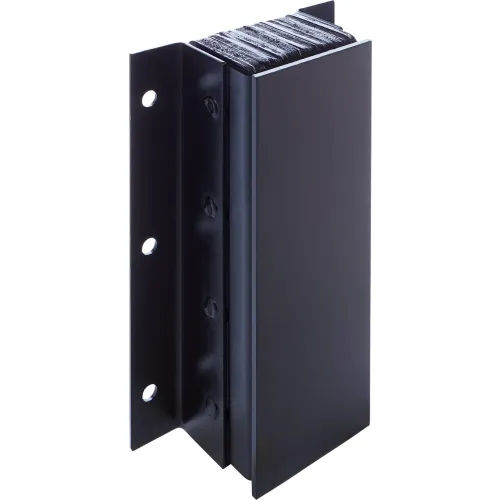 Steel-Faced Laminated Rubber Bumper: 5 Field Problems Buyers Keep Finding After Installation
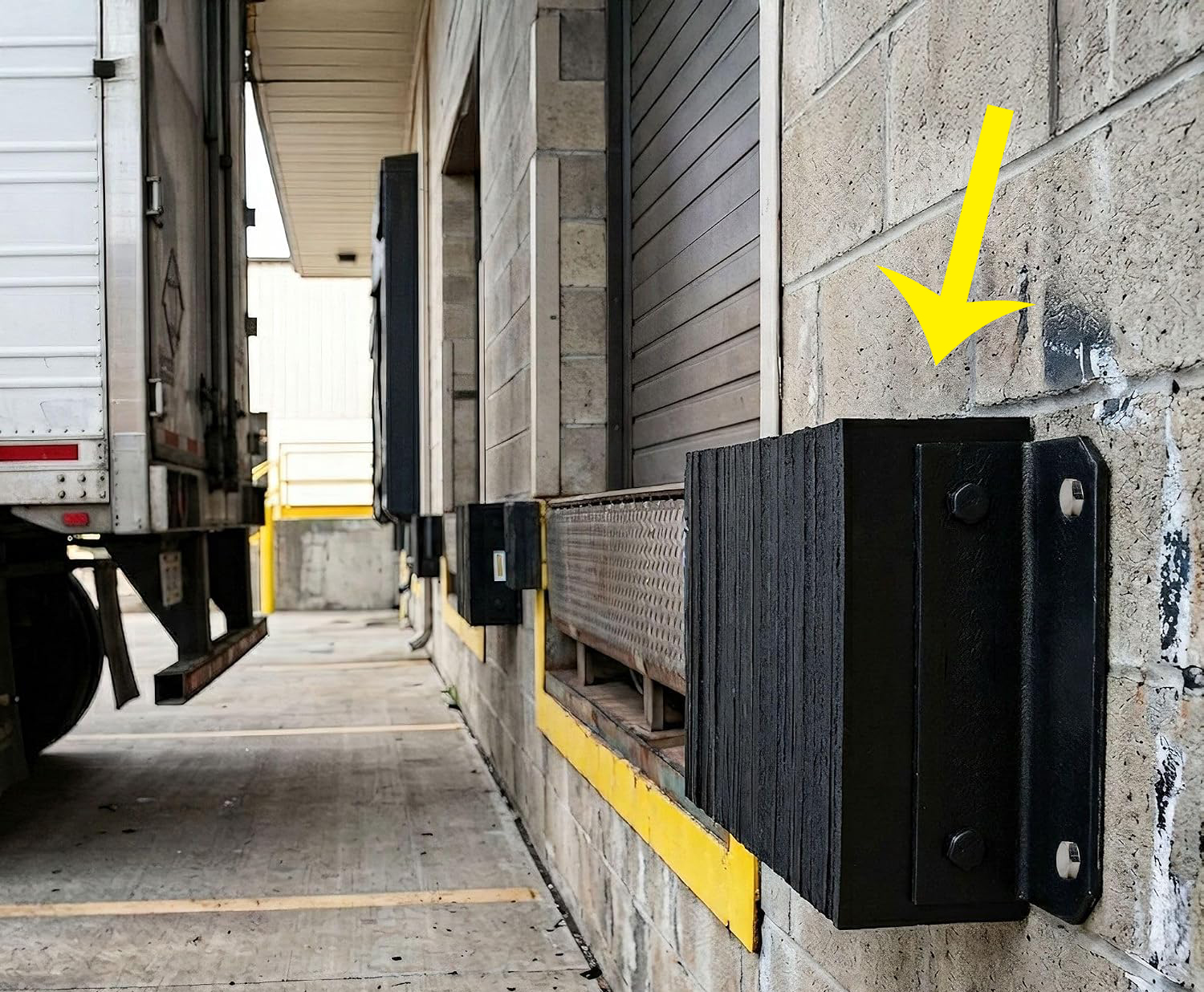 Rubber Laminated Loading Dock Bumper with Steel Angle: 5 Field Failure Signs That Point Back to the RFQ
 Bridge Bearing Pad Field Failure: 5 Visual Signs Before It Retires (And What Caused It)
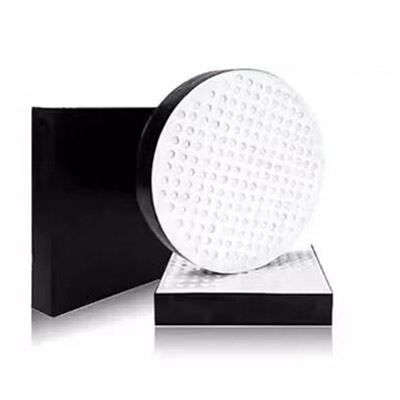 Bridge Bearing Pad RFQ Checklist: 9 Lines That Stop Suppliers From Subbing the Rubber