
For industries relying on durable, weather-resistant components, the question of whether rubber service plugs can withstand mold and mildew is critical. These versatile tools, commonly used to seal openings in plumbing, automotive, construction, and industrial applications, are often exposed to environments where moisture, humidity, and organic matter thrive. This blog explores the factors influencing mold resistance in rubber plugs, their design considerations, and practical tips to maximize their longevity in challenging conditions.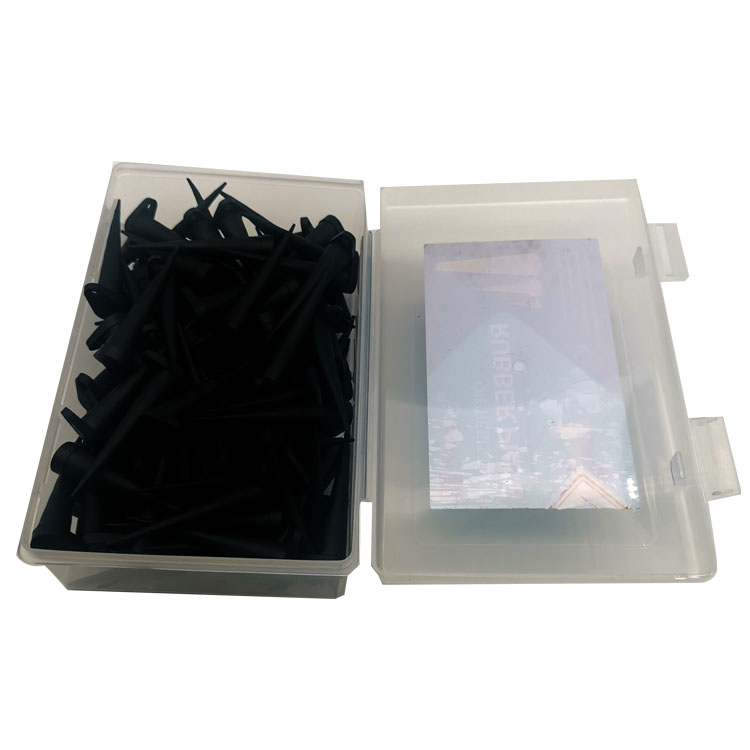
The Science Behind Mold and Mildew Growth
Mold and mildew are fungi that flourish in damp, warm environments with organic material to feed on. While rubber itself is inorganic, impurities like dust, oils, or residual manufacturing chemicals can provide a food source for these microorganisms. Additionally, prolonged exposure to moisture—whether from humidity, condensation, or direct contact with liquids—creates ideal conditions for growth. Not all rubber compounds react the same way, though. The type of material, additives, and environmental factors all play a role in determining resistance.
Material Matters: Choosing the Right Rubber Compound
The mold resistance of rubber service plugs hinges on their composition. Natural rubber, while flexible, is more prone to microbial degradation due to its organic structure. Synthetic alternatives, such as silicone, neoprene, or EPDM (ethylene propylene diene monomer), are engineered for enhanced durability. For example:
Silicone: Naturally resistant to mold and mildew, silicone’s non-porous surface inhibits fungal attachment. It’s also heat-resistant, making it ideal for high-temperature environments.
EPDM: Often used in outdoor applications, EPDM contains additives that deter microbial growth while resisting UV rays and ozone.
Neoprene: Treated with antimicrobial agents during manufacturing, hydraulic hose service plugs offer robust protection in marine or chemical-heavy settings.
Selecting a compound tailored to the rubber plug’s intended environment is key to preventing mold-related issues.
Design Features That Enhance Mold Resistance
Beyond material choice, design elements can significantly impact a rubber plug’s ability to resist mold. A smooth, seamless surface reduces crevices where moisture and fungi can accumulate. Ribbed or textured designs, while useful for grip, may trap debris if not cleaned regularly. Additionally, rubber service plugs with drainage holes or ventilation channels allow airflow, preventing moisture buildup in enclosed spaces. For applications requiring complete sealing, ensuring a snug fit minimizes gaps where mold could take hold.
Environmental Factors: Humidity, Temperature, and Usage
Even the most resistant rubber plug can succumb to mold if placed in a high-risk environment. Humidity levels above 60% create prime conditions for fungal growth, while temperatures between 77°F and 86°F accelerate their lifecycle. Plugs used outdoors or in basements, bathrooms, or industrial facilities must be inspected frequently for signs of mildew. In contrast, hose service plugs stored in dry, cool areas are less likely to develop issues. Regularly rotating stock and avoiding prolonged storage in damp conditions can also extend their lifespan.
Maintenance Tips to Prevent Mold and Mildew
Proactive care is essential for preserving rubber plugs in mold-prone settings. Here’s how to maintain their integrity:
Clean Regularly: Wipe rubber service plugs with a mild soap solution and dry them thoroughly after use. Avoid harsh chemicals that may degrade the material.
Inspect for Damage: Cracks or tears create entry points for moisture and fungi. Replace compromised plugs immediately.
Store Properly: Keep plugs in a cool, dry place away from direct sunlight. Use airtight containers for long-term storage.
Use Desiccants: Silica gel packets or moisture-absorbing products can reduce humidity in storage areas.
Consider Coatings: Some manufacturers offer antimicrobial coatings for added protection, though these may require reapplication over time.
When to Replace Rubber Plugs for Mold Concerns
Even with proper care, rubber plugs may eventually show signs of wear. Discoloration, a musty odor, or visible fungal growth indicate it’s time for replacement. Continuing to use compromised hydraulic hose service plugs risks contaminating systems they seal, leading to costly repairs or health hazards in sensitive environments like food processing or healthcare facilities. Regularly auditing inventory and replacing aging plugs proactively can prevent these issues.
Industry-Specific Applications and Considerations
Different sectors face unique challenges when it comes to mold resistance:
Plumbing: Plugs used in pipe testing or maintenance must withstand constant moisture. EPDM rubber plugs are preferred for their chemical resistance and low water absorption.
Automotive: Engine compartments generate heat and humidity, requiring plugs that resist both mold and temperature extremes.
Construction: Plugs sealing concrete forms or HVAC ducts need durability against outdoor elements. Neoprene’s UV resistance makes it a popular choice.
Marine: Saltwater environments demand plugs that resist corrosion and microbial growth, often treated with specialized coatings.
Tailoring solutions to these niches ensures optimal performance and longevity.
Conclusion: Balancing Resistance with Practicality
Rubber service plugs can indeed resist mold and mildew, but their effectiveness depends on material selection, design, environmental conditions, and maintenance. By choosing the right compound, prioritizing cleanliness, and storing plugs properly, users can mitigate risks and extend their utility. For industries where hygiene and reliability are non-negotiable, investing in high-quality, mold-resistant hose service plugs is a cost-effective strategy to avoid downtime and ensure safety.
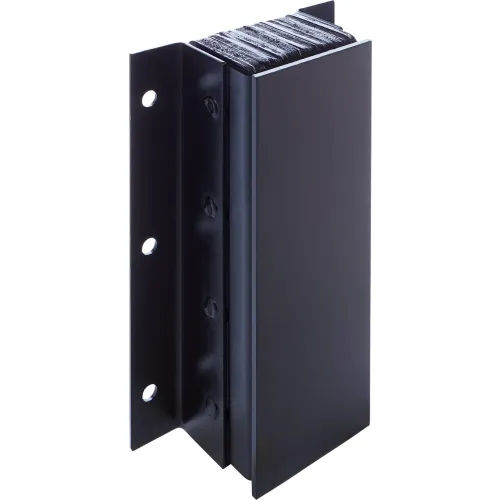 Steel-Faced Laminated Rubber Bumper: 5 Field Problems Buyers Keep Finding After Installation
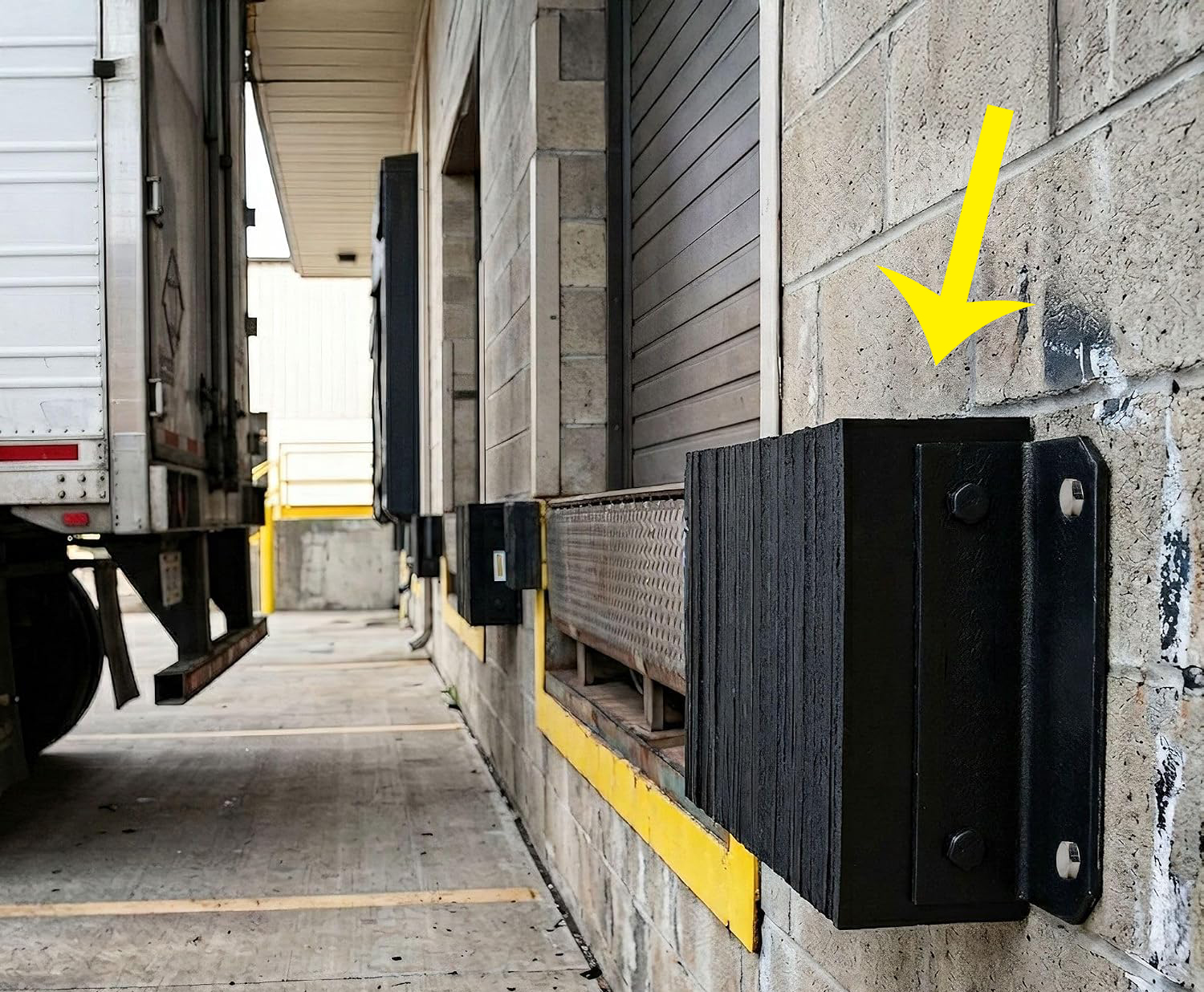 Rubber Laminated Loading Dock Bumper with Steel Angle: 5 Field Failure Signs That Point Back to the RFQ
 Bridge Bearing Pad Field Failure: 5 Visual Signs Before It Retires (And What Caused It)
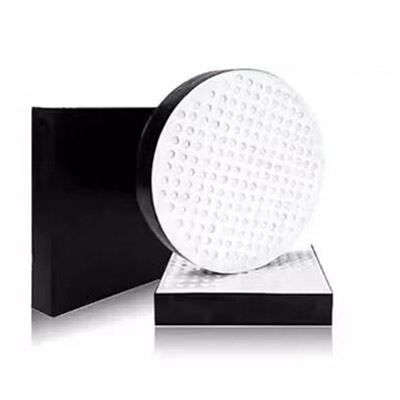 Bridge Bearing Pad RFQ Checklist: 9 Lines That Stop Suppliers From Subbing the Rubber