
Chemical processing plants operate in environments where precision, safety, and durability are non-negotiable. From handling corrosive substances to maintaining airtight systems, every component must meet rigorous standards. One often-overlooked yet critical element in these facilities is the humble rubber plug, also known as a service plug. These versatile tools play a pivotal role in ensuring operational efficiency, safety, and cost-effectiveness. This blog explores how rubber plugs address the unique challenges of chemical processing plants, their applications, and why they are indispensable in this industry.
The Role of Rubber Plugs in Chemical Processing
Chemical processing involves a complex network of pipes, tanks, and machinery designed to transport, store, and transform raw materials into finished products. During maintenance, repairs, or system modifications, these components often need to be isolated, sealed, or accessed temporarily. This is where rubber plugs shine.
Unlike rigid alternatives, rubber plugs offer flexibility and adaptability. They can conform to irregular surfaces, creating airtight or watertight seals that prevent leaks of hazardous chemicals. Their ability to withstand extreme temperatures, pressures, and chemical exposure makes them ideal for environments where standard materials might fail. Whether blocking a pipe during cleaning or securing an opening during equipment inspection, rubber service plugs provide a reliable, temporary solution that minimizes downtime and enhances safety.
Key Applications in Chemical Facilities
Pipe and Vessel Sealing
During routine maintenance or emergency shutdowns, chemical plants must isolate sections of piping or vessels to prevent cross-contamination or accidental releases. Rubber plugs are inserted into openings to create a secure seal, allowing workers to perform tasks without risking exposure to toxic substances. Their elasticity ensures a tight fit even in slightly worn or uneven pipes, a common issue in aging infrastructure.
Equipment Access and Protection
Machinery such as pumps, valves, and reactors often requires periodic inspection or calibration. Rubber service plugs can seal access ports when not in use, protecting internal components from dust, moisture, or chemical vapors. This extends equipment lifespan and reduces the need for costly repairs.
Waste Management and Drainage
Chemical waste systems must comply with strict environmental regulations. Rubber plugs help control the flow of liquids during drainage or sampling, ensuring compliance with safety protocols. Their chemical resistance prevents degradation, even when exposed to aggressive substances like acids or solvents.
Transport and Storage Solutions
When moving chemicals between storage tanks or transporting them off-site, rubber plugs can seal temporary openings in containers or hoses. This prevents spills and maintains product integrity during transit, reducing waste and environmental harm.
Why Rubber Plugs Outperform Alternatives
Chemical processing plants demand materials that can endure harsh conditions without compromising performance. Rubber plugs offer several advantages over metal, plastic, or composite alternatives:
Chemical Resistance: High-grade rubber compounds are engineered to resist degradation from a wide range of chemicals, including oils, acids, and alkalis. This ensures longevity even in corrosive environments.
Temperature Tolerance: Rubber plugs maintain their shape and sealing properties across extreme temperatures, from freezing cold to scorching heat, making them suitable for diverse climates and processes.
Flexibility and Ease of Use: Unlike rigid service plugs, rubber variants can be compressed or stretched to fit various openings, reducing the need for custom-fabricated solutions. Their lightweight design also simplifies handling and installation.
Cost-Effectiveness: Rubber plugs are affordable and reusable, offering significant savings compared to disposable alternatives or more expensive materials like stainless steel.
Choosing the Right Rubber Service Plug for Your Facility
Not all rubber plugs are created equal. Selecting the appropriate type depends on your plant’s specific needs:
Material Compatibility: Ensure the rubber compound is resistant to the chemicals it will encounter. For example, nitrile rubber excels in oil-based environments, while Viton® is preferred for high-temperature applications involving aggressive solvents.
Size and Fit: Accurate measurements are crucial. A plug that’s too small may leak, while one that’s too large could damage the opening. Many manufacturers offer custom sizing for unique requirements.
Pressure Ratings: Chemical processes often involve high-pressure systems. Choose service plugs rated to withstand the maximum pressure in your facility to avoid blowouts or failures.
Regulatory Compliance: Verify that the rubber service plugs meet industry standards, such as those set by the American Society for Testing and Materials (ASTM) or the Environmental Protection Agency (EPA), to ensure safety and legal compliance.
Environmental and Safety Benefits
In an industry where environmental stewardship is paramount, rubber plugs contribute to sustainability in several ways:
Reducing Waste: By preventing leaks and spills, rubber plugs minimize chemical waste and the need for costly cleanup efforts.
Lowering Emissions: Airtight seals help contain volatile organic compounds (VOCs), reducing emissions that contribute to air pollution and health hazards.
Enhancing Worker Safety: By isolating hazardous areas and preventing accidental exposure, rubber service plugs protect employees from chemical burns, inhalation risks, and other dangers.
Future Trends in Rubber Plug Technology
As chemical processing evolves, so do the tools that support it. Innovations in rubber plug design include:
Smart Plugs: Equipped with sensors to monitor pressure, temperature, or chemical leaks, these plugs provide real-time data to improve process control and safety.
Biodegradable Materials: Eco-friendly rubber compounds are being developed to reduce environmental impact without sacrificing performance.
Advanced Manufacturing Techniques: 3D printing and precision molding allow for custom-shaped service plugs tailored to unique applications, improving efficiency and reducing waste.
Conclusion
Rubber plugs, or service plugs, are unsung heroes in chemical processing plants. Their versatility, durability, and cost-effectiveness make them indispensable for sealing, protecting, and accessing critical systems. By choosing the right type and ensuring proper installation, facilities can enhance safety, reduce downtime, and comply with environmental regulations. As technology advances, these humble tools will continue to play a vital role in the safe and efficient operation of chemical processing industries across the United States and beyond.
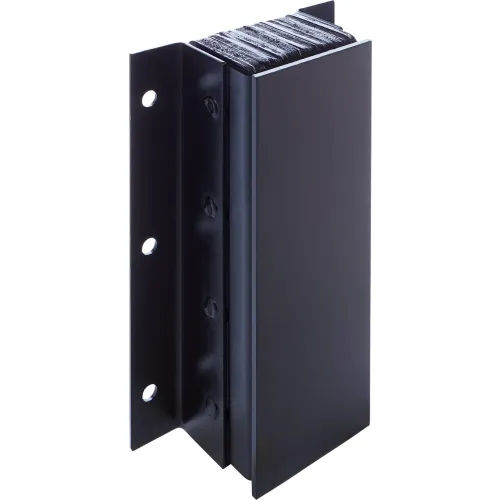 Steel-Faced Laminated Rubber Bumper: 5 Field Problems Buyers Keep Finding After Installation
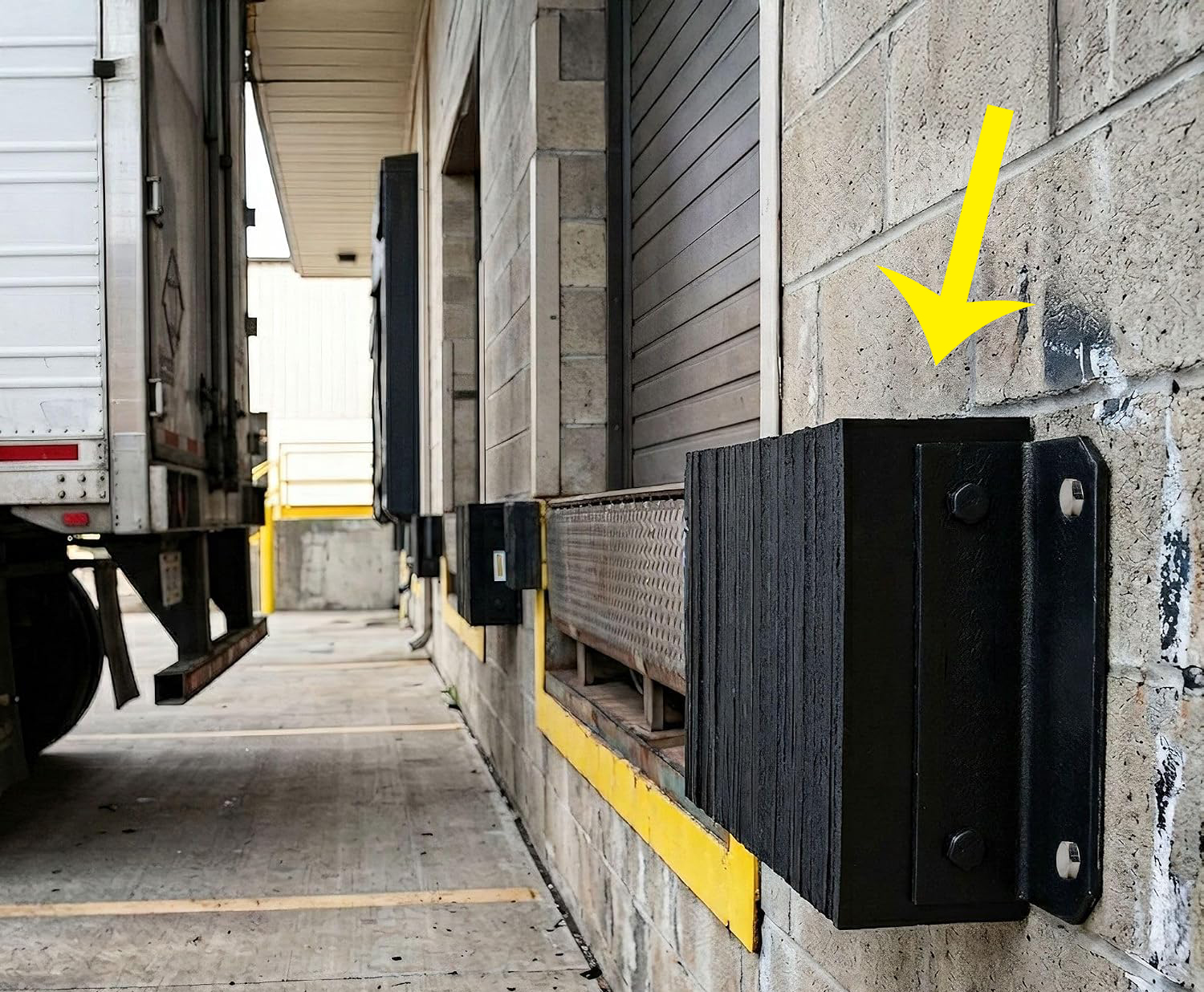 Rubber Laminated Loading Dock Bumper with Steel Angle: 5 Field Failure Signs That Point Back to the RFQ
 Bridge Bearing Pad Field Failure: 5 Visual Signs Before It Retires (And What Caused It)
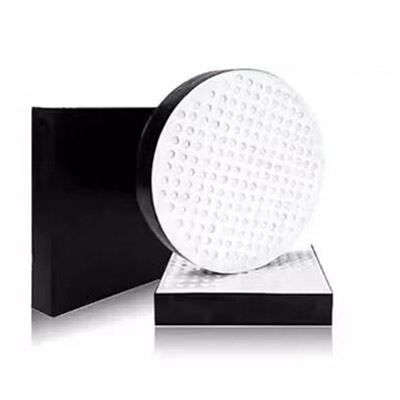 Bridge Bearing Pad RFQ Checklist: 9 Lines That Stop Suppliers From Subbing the Rubber