
When it comes to maintaining or upgrading industrial, residential, or commercial piping systems, choosing the right rubber plug—often referred to as a service plug—is critical. These versatile components play a vital role in sealing pipes during testing, repairs, or temporary shutdowns, preventing leaks, contamination, or pressure loss. However, not all rubber plugs are created equal. Factors like material composition, size compatibility, and environmental resistance can significantly impact performance. This guide breaks down the essential considerations to help you select the best rubber plug for your needs, ensuring efficiency, safety, and longevity.
Understanding the Role of Rubber Plugs in Piping Systems
Rubber plugs are designed to temporarily or permanently seal pipe ends, openings, or fittings. Their primary functions include blocking fluid flow during maintenance, protecting internal surfaces from debris, and facilitating pressure testing. Unlike rigid plugs, rubber variants offer flexibility, which allows them to conform to irregularities in pipe diameters or surfaces, creating a tighter seal. This adaptability makes them indispensable in industries ranging from plumbing and HVAC to manufacturing and automotive applications.
A well-chosen rubber seal plug not only prevents costly leaks but also reduces downtime by simplifying installation and removal. For example, during routine inspections, a service plug can isolate sections of a pipeline without requiring extensive disassembly. This efficiency translates to time and labor savings, making the selection process a worthwhile investment.
Material Matters: Choosing the Right Rubber Compound
The durability and performance of a rubber service plug depend heavily on its material composition. Different rubber compounds are engineered to withstand specific environmental conditions, temperatures, and chemical exposures. Here are the most common types:
Natural Rubber: Ideal for general-purpose applications, natural rubber offers excellent elasticity and tear resistance. However, it performs poorly when exposed to oils, solvents, or extreme temperatures.
Neoprene: This synthetic rubber excels in resisting oil, weathering, and UV damage, making it suitable for outdoor or industrial settings.
Silicone: Known for its heat resistance and flexibility, silicone plugs are perfect for high-temperature applications, such as steam systems or automotive testing.
EPDM (Ethylene Propylene Diene Monomer): EPDM service plugs resist water, chemicals, and aging, making them a top choice for plumbing, HVAC, and water treatment systems.
Nitrile: For applications involving oils, fuels, or greases, nitrile rubber provides superior resistance to degradation.
Selecting the wrong material can lead to premature failure, leaks, or safety hazards. Always match the rubber compound to your system’s operating conditions to ensure optimal performance.
Size and Fit: Precision Is Key
A rubber plug’s effectiveness hinges on its ability to fit snugly within the pipe or opening. An ill-fitting service plug may slip, leak, or cause damage during installation. To avoid these issues:
Measure Accurately: Use calipers or a tape measure to determine the exact internal diameter (ID) of the pipe. For threaded openings, note the pitch and diameter of the threads.
Consider Tolerance Levels: Rubber plugs often have a slight tolerance range to accommodate minor variations in pipe sizes. Verify the manufacturer’s specifications to ensure compatibility.
Account for Expansion: Some rubber compounds expand slightly under pressure or temperature changes. Factor this into your sizing to prevent blowouts or loosening.
Many suppliers offer sizing charts or online tools to simplify this process. When in doubt, consult a professional or request a sample to test the fit before bulk purchasing.
Pressure and Temperature Ratings: Safety First
Piping systems operate under varying pressures and temperatures, and your rubber plug must withstand these conditions without failing. Overlooking these ratings can lead to catastrophic consequences, including explosions or chemical spills.
Pressure Ratings: Check the rubber seal plug’s maximum pressure capacity, typically measured in pounds per square inch (PSI). Ensure it exceeds your system’s operating pressure by a safe margin.
Temperature Resistance: Rubber compounds degrade at extreme temperatures. For hot-water systems or steam lines, choose a plug rated for high heat. Conversely, cold environments may require plugs that remain flexible at sub-zero temperatures.
Always review the manufacturer’s technical data sheets to confirm these ratings. If your system operates near the upper limits of a plug’s range, opt for a higher-rated model to account for surges or fluctuations.
Application-Specific Features: Enhancing Functionality
Beyond basic sealing, some rubber plugs offer additional features tailored to specific applications:
Pull Tabs or Handles: These make installation and removal easier, especially in tight spaces or when wearing gloves.
Reinforced Design: Plugs with metal or fabric reinforcement can handle higher pressures or repeated use without tearing.
Chemical Resistance: For systems carrying aggressive fluids, choose rubber seal plugs treated with coatings or additives that resist corrosion.
Venting Options: Some plugs include built-in vents to release trapped air or pressure, reducing the risk of blowouts during installation.
Identify your system’s unique demands—such as frequent cycling, exposure to harsh chemicals, or limited access—and prioritize service plugs with features that address these challenges.
Regulatory Compliance and Certifications
In regulated industries like food processing, pharmaceuticals, or wastewater management, rubber plugs must meet strict safety and hygiene standards. Common certifications include:
NSF/ANSI 61: Ensures the rubber plug is safe for drinking water systems.
FDA Compliance: Required for service plugs used in food or beverage applications.
ASTM Standards: Verify material properties like tensile strength or chemical resistance.
Using non-compliant rubber seal plugs can result in fines, system shutdowns, or health risks. Always verify that your chosen product meets relevant industry standards.
Conclusion: Making an Informed Decision
Selecting the right rubber plug for your piping system requires careful consideration of material, size, pressure ratings, and application-specific needs. By prioritizing compatibility, safety, and regulatory compliance, you can avoid costly mistakes and ensure your system operates smoothly for years to come. Whether you’re sealing a residential plumbing line or a high-pressure industrial pipeline, investing time in the selection process will pay off in reliability and peace of mind.
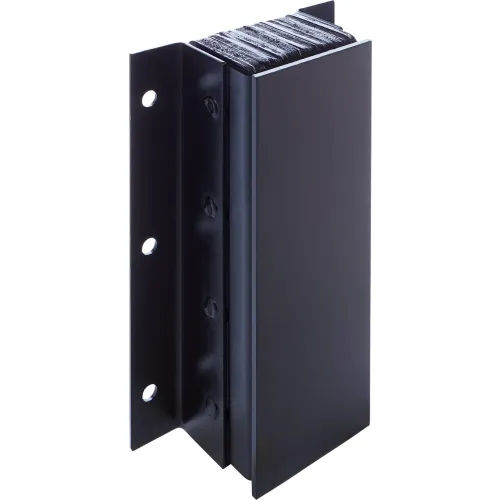 Steel-Faced Laminated Rubber Bumper: 5 Field Problems Buyers Keep Finding After Installation
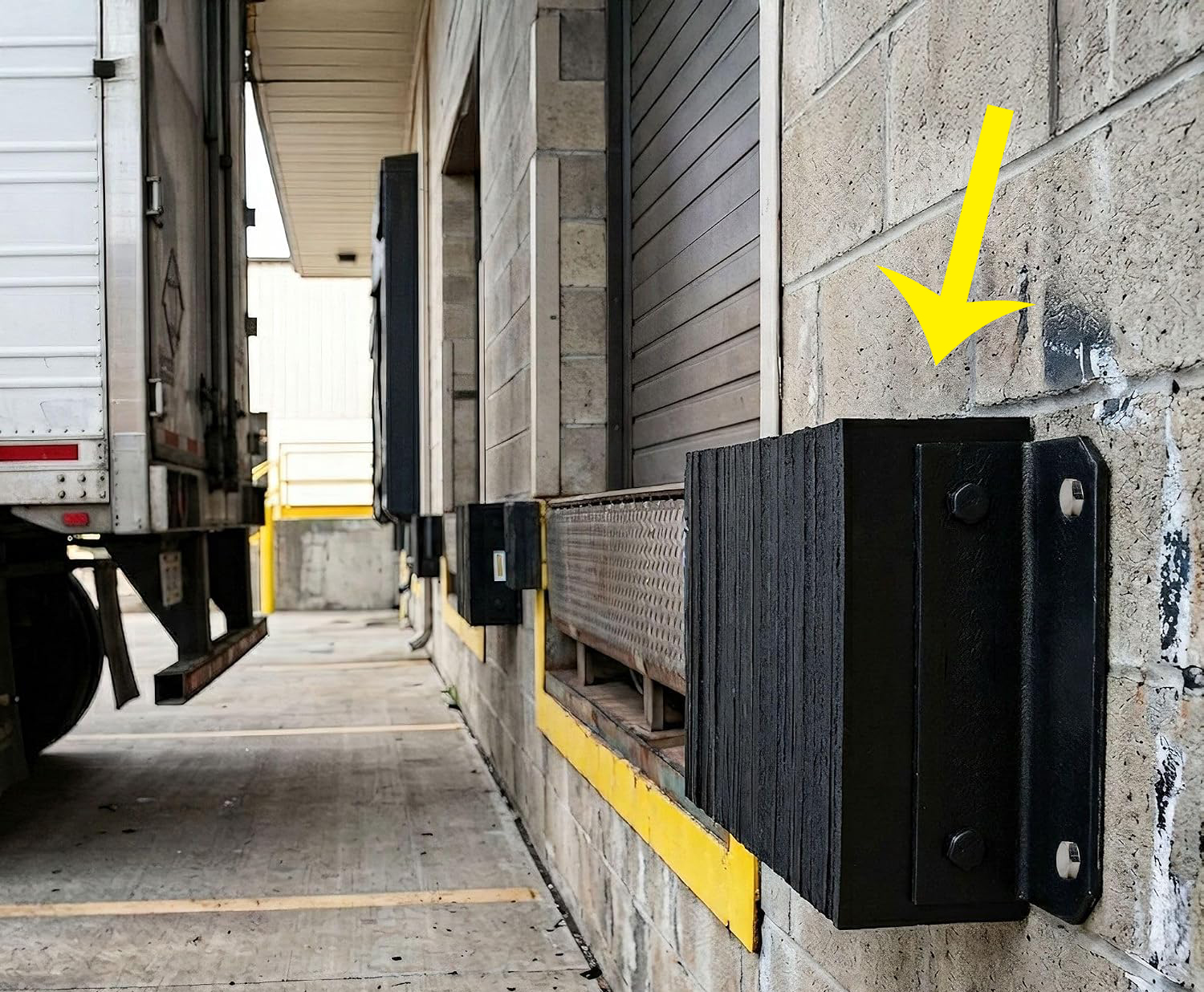 Rubber Laminated Loading Dock Bumper with Steel Angle: 5 Field Failure Signs That Point Back to the RFQ
 Bridge Bearing Pad Field Failure: 5 Visual Signs Before It Retires (And What Caused It)
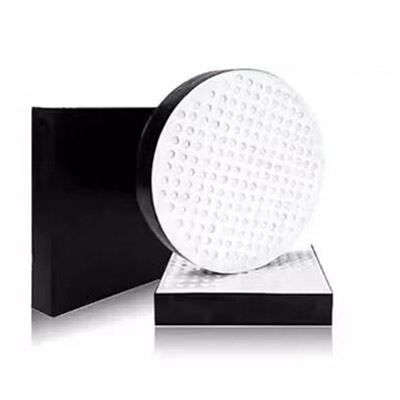 Bridge Bearing Pad RFQ Checklist: 9 Lines That Stop Suppliers From Subbing the Rubber