
In industries ranging from automotive manufacturing to plumbing systems, small components often play outsized roles in ensuring reliability and safety. One such unsung hero is the humble rubber plug —a versatile tool designed to seal, protect, or isolate spaces during maintenance, storage, or transportation. While its basic function seems straightforward, the coating applied to these hydraulic service plugs is a critical factor that determines their performance, durability, and suitability for specific applications. This article explores why rubber plug coatings matter, how they enhance functionality, and what users should consider when selecting the right option.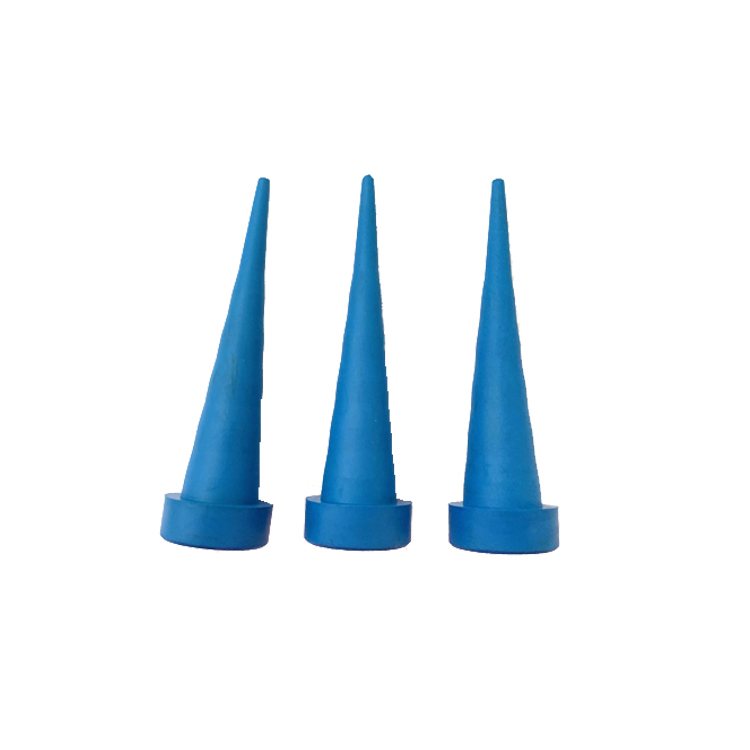
Why Coatings Matter: Beyond Basic Protection
At first glance, a rubber plug might appear to be a simple piece of molded rubber. However, its effectiveness hinges on the coating layer that surrounds it. Coatings serve multiple purposes: they prevent chemical degradation, resist environmental wear, and ensure a secure seal. Without a durable coating, rubber plugs could crack, swell, or lose elasticity when exposed to oils, fuels, or extreme temperatures.
For example, in automotive applications, hydraulic service plugs used to seal engine components during shipping must withstand corrosive fluids and high heat. A poorly coated hydraulic service plugs might fail, leading to leaks or contamination. Similarly, in plumbing systems, coatings protect against hard water deposits and microbial growth, ensuring long-term reliability. The right coating transforms a basic rubber plug into a specialized tool tailored to its environment.
Enhancing Durability in Harsh Environments
Rubber plugs are often deployed in settings where they face relentless stress. Industrial machinery, outdoor equipment, and marine applications expose these components to UV rays, saltwater, and abrasive particles. Coatings act as a shield, extending the lifespan of the plug by preventing premature aging.
Take, for instance, a hydraulic rubber plugs used in a construction site to seal hydraulic lines. Without a robust coating, the rubber could degrade from constant exposure to dirt, grease, and temperature fluctuations. A high-quality coating, however, creates a barrier that repels contaminants while maintaining flexibility. This durability reduces the need for frequent replacements, saving time and money for businesses relying on consistent operations.
Chemical Resistance: A Critical Feature for Safety
Industries that handle aggressive chemicals—such as petrochemicals, solvents, or acids—demand plugs with coatings engineered to resist corrosion. Even minor leaks can lead to hazardous situations, environmental damage, or costly downtime.
A coated rubber plug designed for chemical storage tanks, for example, must remain intact when submerged in corrosive substances. Specialized coatings, often formulated with fluoropolymers or synthetic rubbers, provide the necessary resistance. These materials prevent chemical reactions that could weaken the hydraulic rubber plug’s structure, ensuring a tight seal even under prolonged exposure. For workers and facilities, this reliability translates to safer operations and compliance with regulatory standards.
Thermal Stability: Withstanding Extreme Temperatures
Temperature extremes pose another challenge for rubber plugs. In automotive engines, plugs may encounter heat exceeding 200°F, while in cold storage facilities, temperatures can plummet below freezing. Without thermal stability, the rubber could become brittle or overly soft, compromising its ability to seal.
Coatings formulated with heat-resistant additives or silicone-based compounds address this issue. These materials maintain elasticity across a wide temperature range, preventing leaks caused by expansion or contraction. For manufacturers, this means fewer failures during product testing and greater confidence in their components’ performance.
Sealing Performance: The Science of a Perfect Fit
A rubber plug’s primary job is to create an airtight or watertight seal. The coating plays a pivotal role in achieving this by influencing friction, surface adhesion, and compression recovery.
For example, a hydraulic service plug used in aerospace applications must maintain its seal under varying air pressure conditions. A coating with low friction properties ensures easy insertion and removal while preventing slippage during vibration. Conversely, a high-friction coating might be preferred for static applications where movement is minimal. The right balance ensures the plug stays securely in place without damaging the surrounding material.
Environmental Considerations: Sustainable Choices
As industries prioritize sustainability, the environmental impact of rubber plug coatings has come under scrutiny. Traditional coatings may contain volatile organic compounds (VOCs) or non-recyclable materials, raising concerns about waste and pollution.
Modern advancements have led to eco-friendly alternatives, such as water-based coatings or biodegradable polymers. These options reduce harmful emissions during production and disposal, aligning with corporate sustainability goals. For environmentally conscious businesses, choosing plugs with greener coatings demonstrates a commitment to reducing their ecological footprint.
Choosing the Right Coating: Factors to Consider
Selecting the appropriate coating for a rubber plug involves evaluating several factors:
Application Environment: Will the hydraulic service plugs be exposed to chemicals, heat, or UV light?
Material Compatibility: Does the coating adhere well to the rubber base without causing degradation?
Regulatory Compliance: Does the coating meet industry-specific standards, such as FDA approval for food-grade applications?
Cost vs. Performance: While premium coatings offer superior protection, budget constraints may require balancing durability with affordability.
Collaborating with suppliers who understand these variables can help businesses make informed decisions. Custom coatings tailored to unique needs often provide the best value, ensuring optimal performance without overengineering.
Conclusion: The Unsung Hero of Industrial Reliability
Rubber plugs, though small, are indispensable in maintaining operational efficiency and safety across countless industries. The coating applied to these hydraulic rubber plugs is not merely an additive but a foundational element that determines their success. By selecting coatings designed for durability, chemical resistance, thermal stability, and environmental sustainability, businesses can ensure their equipment operates seamlessly.
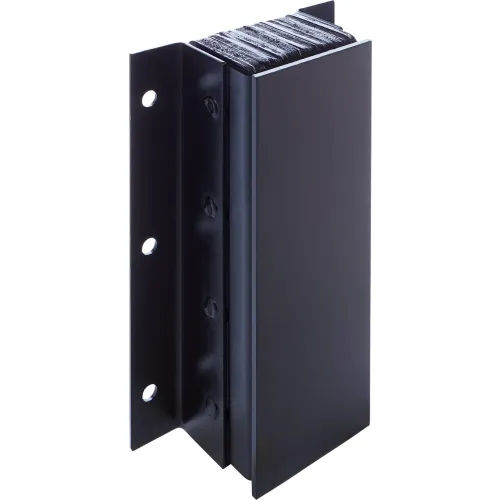 Steel-Faced Laminated Rubber Bumper: 5 Field Problems Buyers Keep Finding After Installation
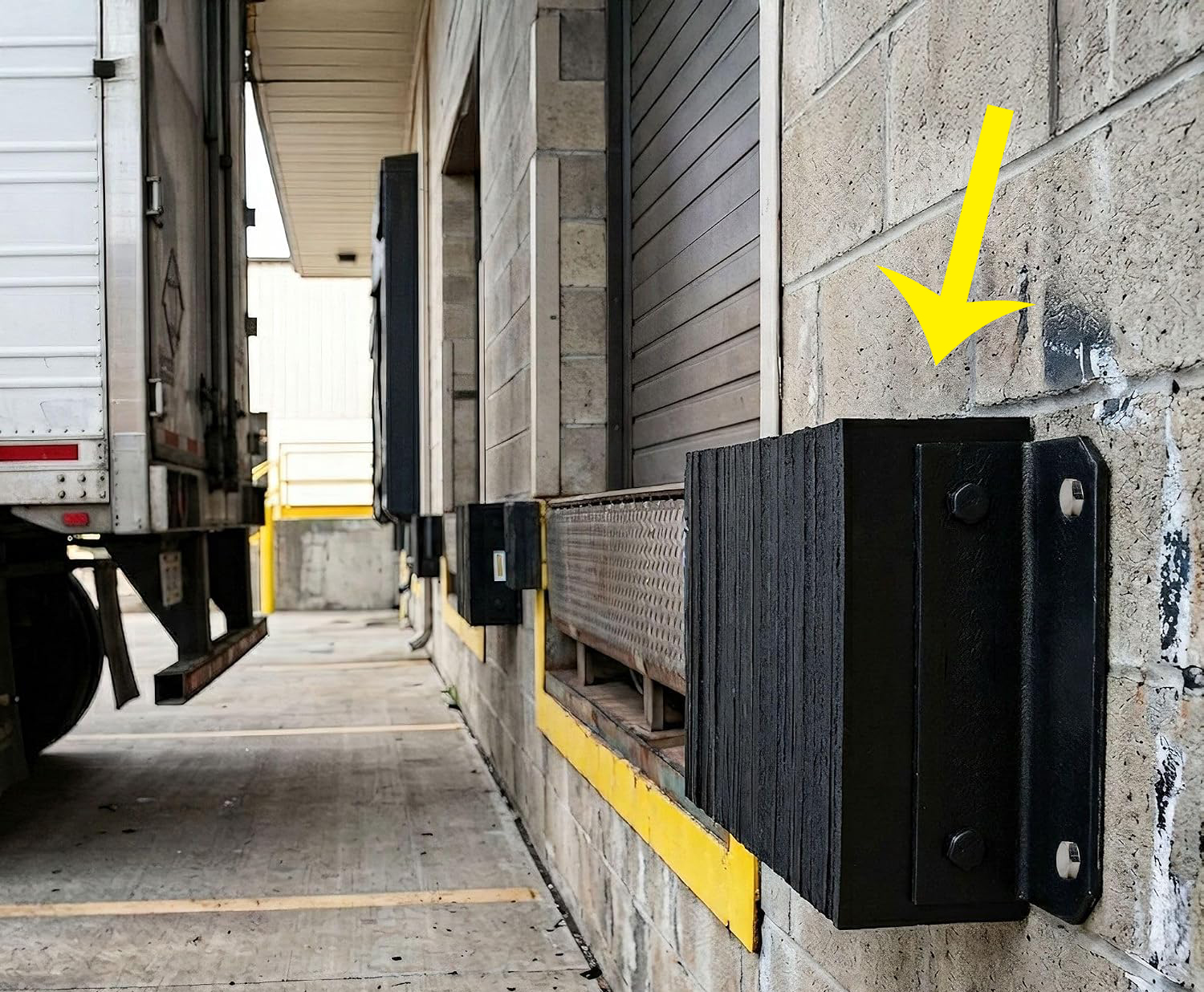 Rubber Laminated Loading Dock Bumper with Steel Angle: 5 Field Failure Signs That Point Back to the RFQ
 Bridge Bearing Pad Field Failure: 5 Visual Signs Before It Retires (And What Caused It)
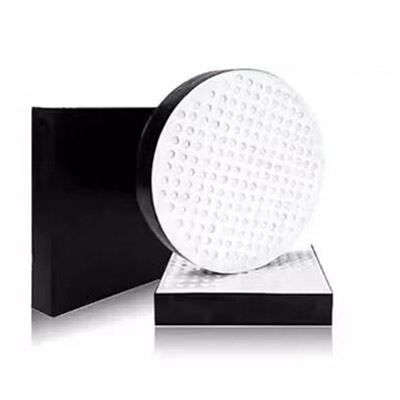 Bridge Bearing Pad RFQ Checklist: 9 Lines That Stop Suppliers From Subbing the Rubber