
In industries ranging from automotive manufacturing to plumbing and electronics, the need for reliable, durable sealing solutions is universal. Among the many materials and designs available, Buna-N rubber plugs —also known as service plugs—stand out for their versatility, cost-effectiveness, and performance. These specialized components are engineered to create airtight or watertight seals, protecting sensitive systems from contaminants, moisture, and pressure fluctuations. Whether used during production, transportation, or maintenance, Buna-N rubber service plugs offer a range of advantages that make them a staple in countless applications. Below, we explore the key benefits of incorporating these hydraulic rubber plugs into your workflow.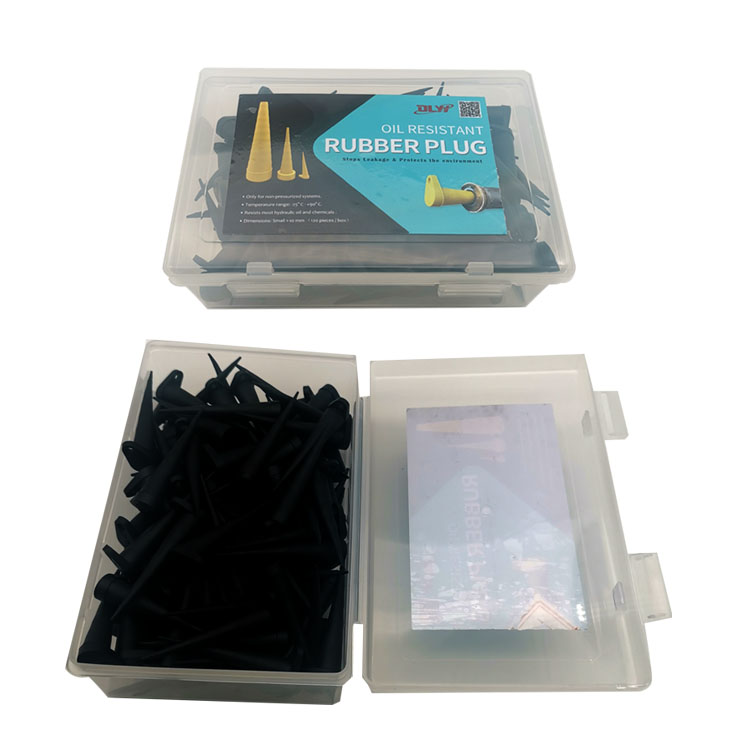
Exceptional Chemical Resistance
One of the most compelling features of Buna-N rubber plugs is their resistance to a wide array of chemicals, oils, and fuels. This synthetic rubber compound, derived from nitrile butadiene rubber (NBR), is engineered to withstand exposure to hydrocarbons, solvents, and even certain acids without degrading. For industries that rely on machinery or systems exposed to lubricants, fuels, or cleaning agents, this property ensures long-term reliability.
For example, automotive manufacturers use these rubber service plugs to seal engine components during assembly or storage, preventing oil leaks or corrosion. Similarly, in the plumbing sector, they protect pipes from debris or chemical residue during installation. Unlike natural rubber or other materials that may swell, crack, or lose elasticity when exposed to harsh substances, Buna-N rubber maintains its integrity, ensuring a secure seal even in challenging environments.
Durability in Extreme Temperatures
Another critical advantage of Buna-N rubber plugs is their ability to perform across a broad temperature range. Whether exposed to freezing cold or scorching heat, these hydraulic rubber plugs retain their flexibility and sealing capabilities. Standard formulations typically handle temperatures from -40°F to 250°F (-40°C to 121°C), with specialized grades extending these limits further.
This thermal stability makes them ideal for outdoor applications, such as sealing electrical connectors in construction equipment or protecting HVAC systems during winterization. In the food and beverage industry, where equipment must endure frequent sterilization cycles involving high-temperature steam, Buna-N plugs resist warping or brittleness, ensuring compliance with safety standards.
Cost-Effective Solution for High-Volume Needs
For businesses prioritizing efficiency, Buna-N rubber plugs offer an attractive balance of performance and affordability. Compared to alternatives like silicone or fluorocarbon rubber, Buna-N is more economical to produce, making it a cost-effective choice for large-scale operations. Its widespread availability and standardized manufacturing processes further reduce costs, especially when ordering in bulk.
Moreover, their longevity minimizes replacement frequency, lowering maintenance expenses over time. For instance, a manufacturing plant using these plugs to seal machinery during downtime can avoid costly repairs caused by dust or moisture ingress. This combination of upfront savings and long-term reliability positions Buna-N rubber plugs as a smart investment for budget-conscious industries.
Versatility Across Industries
The adaptability of Buna-N rubber plugs is another reason for their popularity. Available in various shapes, sizes, and durometers (hardness levels), they can be customized to fit unique requirements. From tapered rubber service plugs for threaded holes to flanged designs for flat surfaces, there’s a solution for nearly every sealing challenge.
In the electronics sector, they shield sensitive components from electrostatic discharge (ESD) during shipping. In agriculture, they prevent pests or debris from entering irrigation systems. Even in aerospace, where precision is paramount, Buna-N rubber service plugs are used to seal fuel lines or hydraulic systems temporarily. This versatility reduces the need for multiple specialized tools, streamlining inventory management and simplifying procurement.
Easy Installation and Removal
Efficiency matters in fast-paced environments, and Buna-N rubber plugs excel in this regard. Their flexible yet sturdy construction allows for quick installation by hand or with basic tools, reducing labor time. Many designs feature ergonomic grips or textured surfaces to enhance handling, even when workers wear gloves.
Removal is equally straightforward, with hydraulic rubber plugs often designed to avoid sticking or tearing. This is particularly valuable in applications where plugs are frequently cycled in and out, such as testing protocols or seasonal equipment storage. The ability to reuse rubber service plugs multiple times without compromising performance further enhances their value proposition.
Environmentally Friendly Options
As sustainability becomes a priority across industries, manufacturers are developing eco-conscious alternatives to traditional materials. Buna-N rubber plugs can now be sourced in recyclable formulations or made from reclaimed materials, reducing waste and carbon footprints. Additionally, their durability means fewer replacements, which translates to less material ending up in landfills.
For companies aiming to meet green certifications or appeal to environmentally conscious consumers, these plugs offer a practical way to align operations with sustainability goals without sacrificing performance.
Conclusion: A Smart Choice for Modern Challenges
From their chemical resilience and thermal stability to their cost efficiency and adaptability, Buna-N rubber plugs address many of the core needs of today’s industries. Whether safeguarding machinery, streamlining production, or reducing environmental impact, these rubber service plugs deliver reliable performance in diverse settings. By choosing a material that balances durability, affordability, and versatility, businesses can optimize their operations while preparing for future challenges.
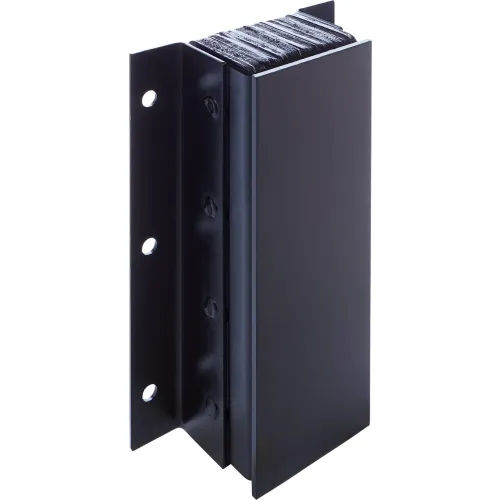 Steel-Faced Laminated Rubber Bumper: 5 Field Problems Buyers Keep Finding After Installation
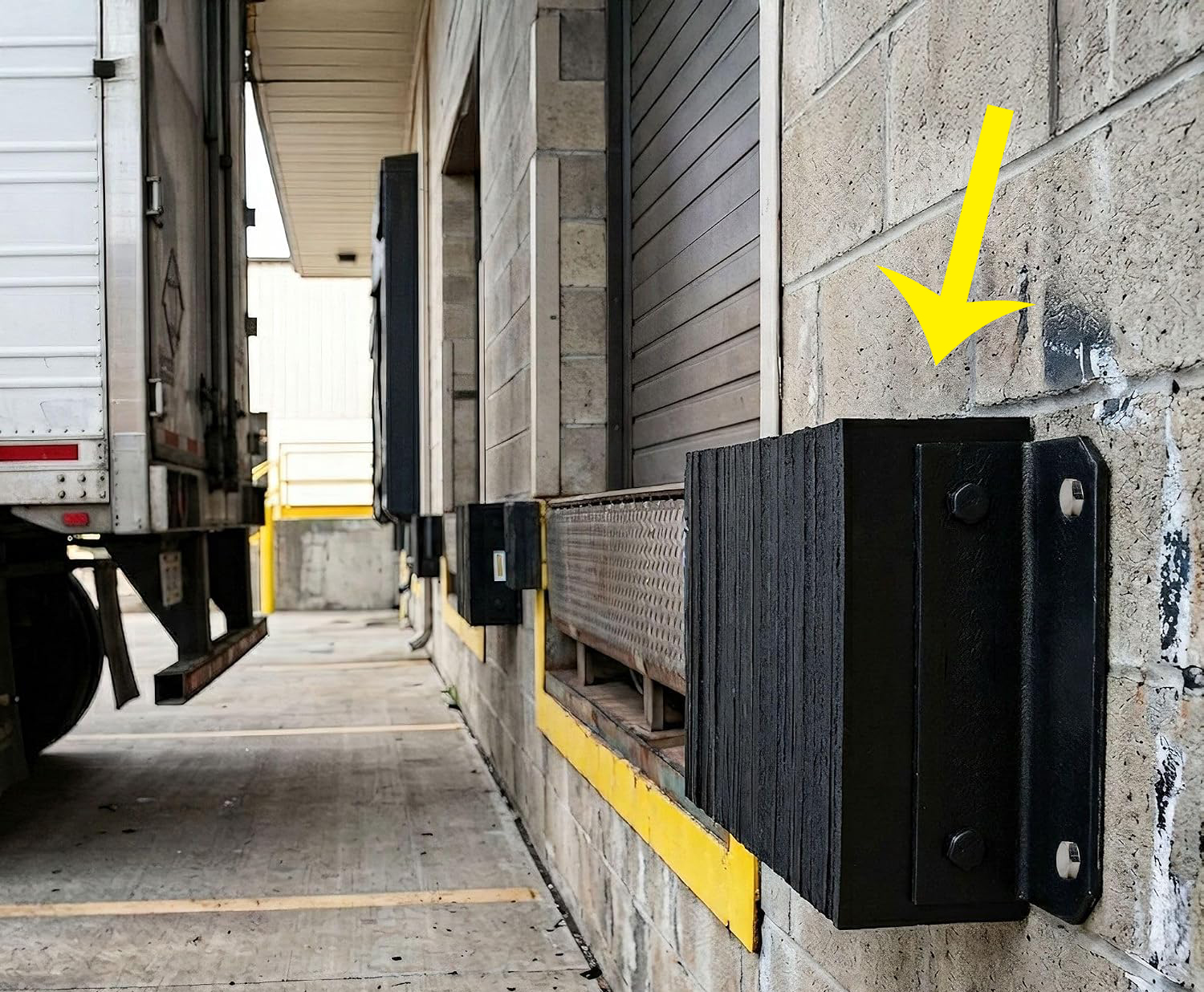 Rubber Laminated Loading Dock Bumper with Steel Angle: 5 Field Failure Signs That Point Back to the RFQ
 Bridge Bearing Pad Field Failure: 5 Visual Signs Before It Retires (And What Caused It)
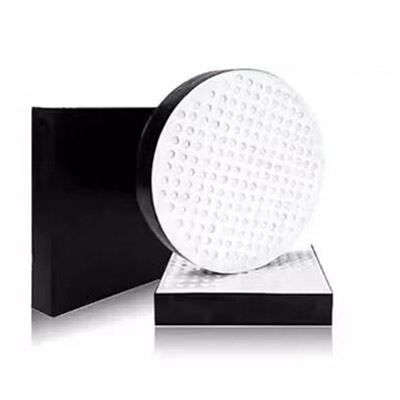 Bridge Bearing Pad RFQ Checklist: 9 Lines That Stop Suppliers From Subbing the Rubber