
Rubber plugs, often referred to as service plugs, are indispensable components in industries ranging from automotive manufacturing to plumbing and construction. These versatile tools seal openings, prevent leaks, and protect internal systems during maintenance or storage. However, their effectiveness hinges not just on design or material quality but also on a critical yet overlooked factor: lubrication. This article explores how lubricants simplify installation, extend product life, and ensure reliable performance, all while addressing common misconceptions and best practices for American users.
The Friction Challenge: Why Lubrication Matters
Installing a rubber plug without lubrication is like forcing a puzzle piece into place without aligning the edges. Rubber, by nature, resists deformation, creating friction when pressed into tight spaces. This resistance can lead to several issues:
Difficulty in Installation: Forcing a dry service plug into a hole may require excessive force, increasing the risk of injury or damage to the surrounding material.
Compromised Seal: Incomplete insertion due to friction can leave gaps, allowing fluids or gases to escape.
Material Wear: Repeated friction wears down the rubber surface, reducing its elasticity and lifespan.
Lubricants act as a bridge between the rubber and the mating surface, reducing friction and enabling smooth, controlled insertion. For users in fast-paced environments—such as automotive repair shops or construction sites—this translates to time savings and fewer errors.
Types of Lubricants: Choosing the Right One
Not all lubricants are created equal, and selecting the wrong type can backfire. Here’s a breakdown of common options:
Silicone-Based Lubricants: Ideal for rubber components, silicone lubricants are non-reactive, water-resistant, and compatible with most materials. They leave no residue and maintain flexibility over time.
Water-Based Lubricants: Eco-friendly and easy to clean, these are suitable for temporary applications but may evaporate quickly in dry conditions.
Petroleum-Based Lubricants: While effective, petroleum products can degrade rubber over time, leading to cracks or brittleness. They’re best avoided for long-term use.
For American users, silicone-based lubricants often strike the best balance between performance and safety, especially in applications involving exposure to moisture or chemicals.
The Science of Smooth Installation: How Lubricants Work
Lubricants create a thin film between the rubber seal plug and the insertion point, reducing direct contact. This film serves two purposes:
Minimizing Friction: By lowering the coefficient of friction, lubricants allow the rubber plug to slide into place with minimal effort.
Preventing Heat Buildup: Friction generates heat, which can soften rubber and distort its shape. Lubricants dissipate heat, preserving the service plug’s structural integrity.
Consider a mechanic working on a vehicle’s cooling system. Without lubrication, inserting a dry rubber seal plug into a radiator opening could cause the rubber to swell or tear under heat and pressure. A silicone lubricant ensures a snug fit without compromising the material.
Common Mistakes to Avoid During Installation
Even with the right lubricant, errors can occur. Here are pitfalls to watch for:
Over-Lubricating: Excess lubricant can attract dust or debris, creating a gritty paste that damages the rubber or the mating surface.
Using Incompatible Products: Household oils or greases may seem convenient but can react with rubber, causing swelling or degradation.
Neglecting Surface Preparation: Dirty or rough insertion points scratch the rubber, reducing its sealing capability. Always clean the area before applying lubricant.
A pro tip: Apply lubricant sparingly to the rubber plug’s outer surface and the insertion point, then rotate the service plug slightly during installation to distribute the lubricant evenly.
Environmental and Safety Considerations
In the U.S., regulatory standards like the EPA’s guidelines on chemical handling influence lubricant choices. Silicone-based options are often preferred because they’re non-toxic, non-flammable, and safe for incidental food contact (though not food-grade). For outdoor applications, biodegradable lubricants reduce environmental impact without sacrificing performance.
Safety extends beyond the product itself. Workers handling lubricants should wear gloves to prevent skin irritation, especially with water-based formulas that may contain additives. Proper ventilation is also crucial when working in enclosed spaces.
Real-World Applications: From Factories to Home Workshops
Rubber plugs and lubricants solve problems across industries:
Automotive: Sealing fuel lines or engine components during repairs.
Plumbing: Temporarily plugging pipes during pressure tests.
Construction: Protecting threaded holes from debris during building projects.
In a home workshop, a DIY enthusiast might use a lubricated service plug to seal a sink drain temporarily while replacing a faucet. The ease of installation and removal saves time and prevents leaks.
Maintenance Tips: Prolonging the Life of Rubber Seal Plugs
Even with proper lubrication, rubber plugs require care:
Storage: Keep Rubber plugs in a cool, dry place away from direct sunlight to prevent UV degradation.
Inspection: Check for cracks or brittleness before reuse. Discard damaged plugs immediately.
Reapplication: Periodically reapply lubricant if the service plug is stored for long periods or used in extreme temperatures.
A well-maintained rubber plug can last years, offering consistent performance and cost savings over frequent replacements.
Conclusion: The Unsung Hero of Reliable Seals
Lubricants transform rubber plug installation from a frustrating task into a seamless process. By reducing friction, protecting materials, and ensuring compliance with safety standards, they play a vital role in every application. For American professionals and hobbyists alike, understanding the right lubricant—and using it correctly—is the key to efficiency, longevity, and peace of mind. Whether in a factory, a garage, or a home workshop, this simple step makes all the difference.
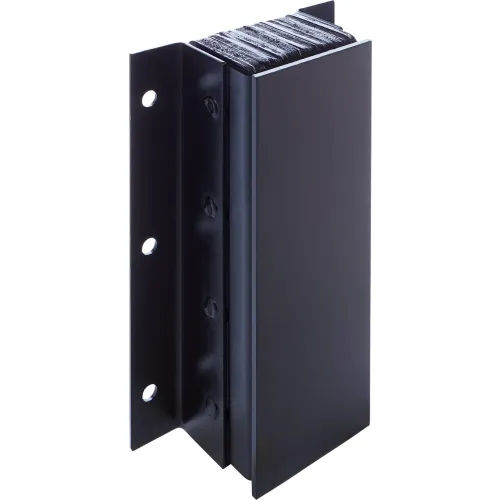 Steel-Faced Laminated Rubber Bumper: 5 Field Problems Buyers Keep Finding After Installation
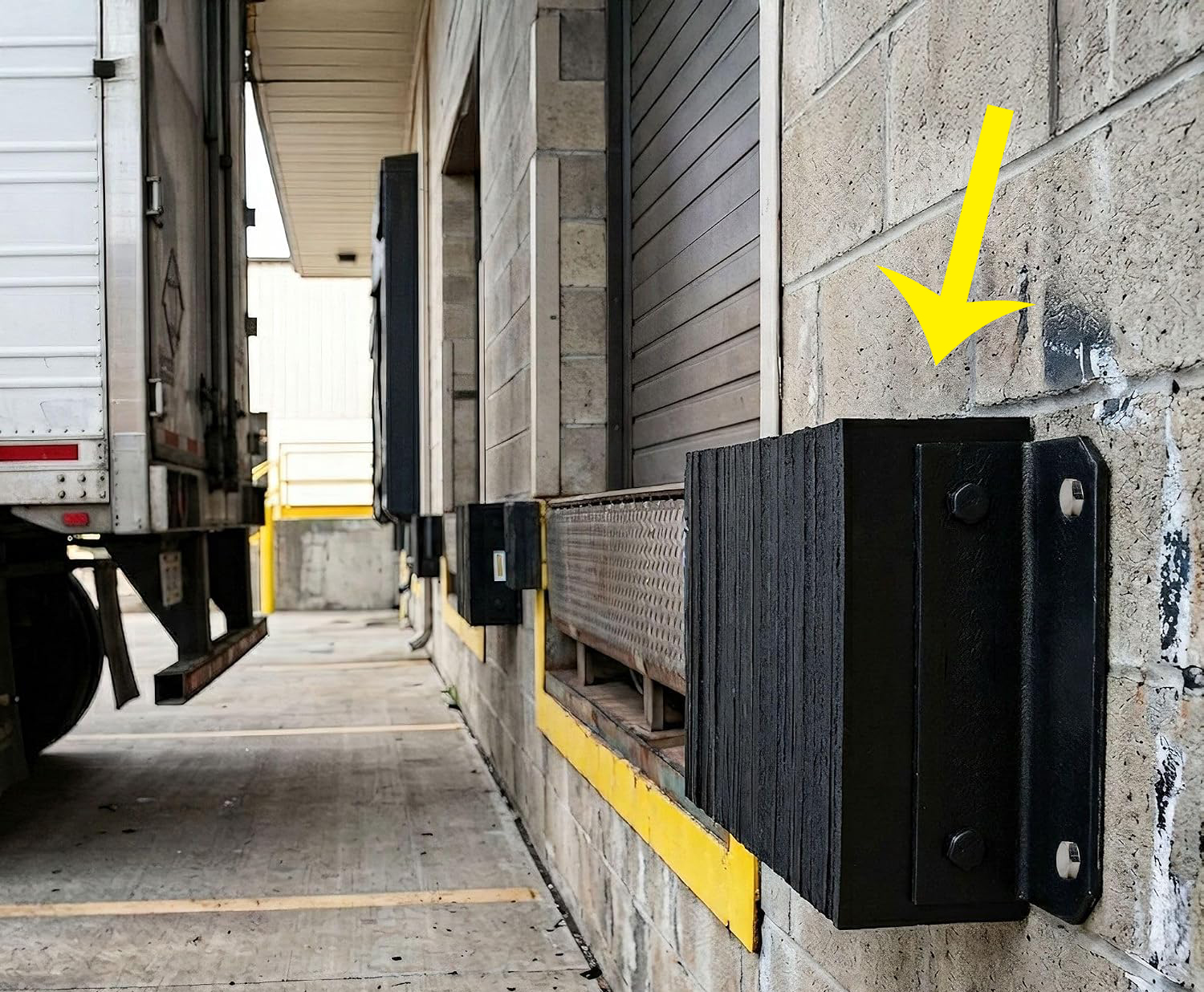 Rubber Laminated Loading Dock Bumper with Steel Angle: 5 Field Failure Signs That Point Back to the RFQ
 Bridge Bearing Pad Field Failure: 5 Visual Signs Before It Retires (And What Caused It)
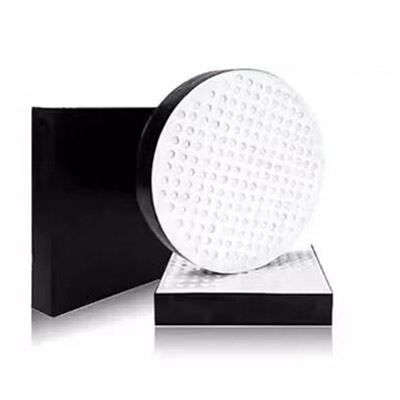 Bridge Bearing Pad RFQ Checklist: 9 Lines That Stop Suppliers From Subbing the Rubber