
Rubber service plugs are indispensable tools in industries ranging from automotive manufacturing to plumbing and construction. Designed to seal openings temporarily, these flexible components prevent debris, moisture, or contaminants from entering pipes, tanks, or machinery during maintenance or assembly. However, a common challenge users face is ensuring the hose service plugs stay securely in place during installation. Slippage can lead to leaks, rework, or even damage to equipment. This guide explores practical strategies to enhance grip and stability, ensuring a hassle-free experience.
Understanding the Causes of Slippage
Before diving into solutions, it’s essential to recognize why rubber service plugs might slip. The primary culprits are often environmental factors, improper sizing, or surface conditions. For instance, oil, grease, or dust on the insertion point can reduce friction, making the hydraulic hose service plug prone to sliding. Similarly, using a hose service plug that’s too small for the opening or made from low-grade material may compromise its ability to stay put. Temperature fluctuations can also affect rubber’s elasticity, weakening its grip over time.
By identifying these root causes, users can adopt targeted measures to mitigate risks.
Selecting the Right Size and Material
The foundation of a secure fit lies in choosing the correct hose service plug size. A plug that’s too small will leave gaps, while one that’s too large may deform or fail to seal properly. Manufacturers typically provide size charts based on the diameter of the opening. When in doubt, opt for a slightly larger plug and trim it to fit if necessary.
Material quality is equally critical. High-grade rubber compounds, such as those reinforced with silicone or neoprene, offer better resistance to wear, chemicals, and temperature extremes. These materials maintain their flexibility and grip even in challenging conditions, reducing the likelihood of slippage.
Preparing the Surface for Optimal Grip
A clean, dry surface is non-negotiable for ensuring a plug stays in place. Before installation, wipe the area with a lint-free cloth to remove dust, oil, or residue. For stubborn grime, a mild detergent or isopropyl alcohol can be used, followed by thorough drying.
In some cases, applying a non-slip coating to the rubber service plug’s exterior can enhance traction. Products like anti-slip sprays or rubber-safe adhesives create a tacky surface that resists movement. However, avoid overly sticky substances that might damage the rubber plug or leave residue.
Leveraging Friction-Enhancing Techniques
If the rubber service plug still slips despite proper sizing and surface preparation, consider friction-boosting methods. One effective approach is to lightly sand the hose service plug’s contact area with fine-grit sandpaper. This creates microscopic grooves that increase surface area and grip. Be cautious not to over-sand, as this could weaken the rubber.
Another technique is to use a textured grip aid, such as a rubberized coating or a thin layer of silicone caulk. Applied sparingly to the plug’s edges, these materials create a tacky barrier that helps anchor the hydraulic hose service plug in place.
Utilizing Mechanical Support for Added Security
For applications where vibration or movement is a concern, mechanical support can provide an extra layer of stability. Clamps, hose clips, or zip ties wrapped around the rubber plug’s base can prevent it from dislodging. Ensure the support isn’t too tight, as this could deform the rubber and compromise the seal.
In vertical installations, consider using a rubber service plug with a flange or lip that rests against the opening’s edge. This design distributes pressure evenly and reduces the risk of the rubber plug sliding inward.
Temperature and Environmental Considerations
Rubber’s performance is heavily influenced by temperature. In cold environments, rubber becomes stiffer and less pliable, which may reduce grip. Conversely, high temperatures can cause the material to soften and lose shape. To counteract these effects, store hose service plugs in a climate-controlled area and allow them to acclimate to the workspace temperature before use.
For outdoor applications, UV-resistant rubber compounds are advisable. Prolonged exposure to sunlight can degrade rubber over time, leading to brittleness and reduced elasticity.
Regular Inspection and Maintenance
Even with proper installation, rubber service plugs require periodic checks to ensure longevity. Inspect the plugs for signs of wear, such as cracks, tears, or permanent deformation. Replace any plugs showing these symptoms immediately, as compromised rubber is more likely to slip.
Cleaning the rubber service plugs after use and storing them in a cool, dry place can extend their lifespan. Avoid folding or creasing the rubber, as this can create weak spots.
Conclusion: A Proactive Approach to Secure Installation
Preventing rubber service plugs from slipping during installation is a blend of careful planning, material selection, and environmental awareness. By choosing the right size and material, preparing surfaces meticulously, and employing friction-enhancing techniques, users can achieve a reliable seal every time. Mechanical supports and temperature management further bolster stability, while regular maintenance ensures long-term performance.
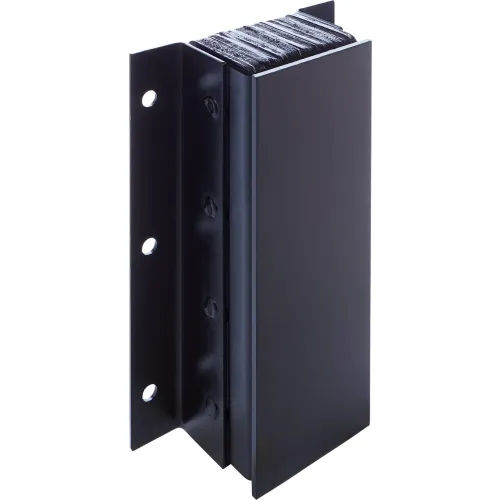 Steel-Faced Laminated Rubber Bumper: 5 Field Problems Buyers Keep Finding After Installation
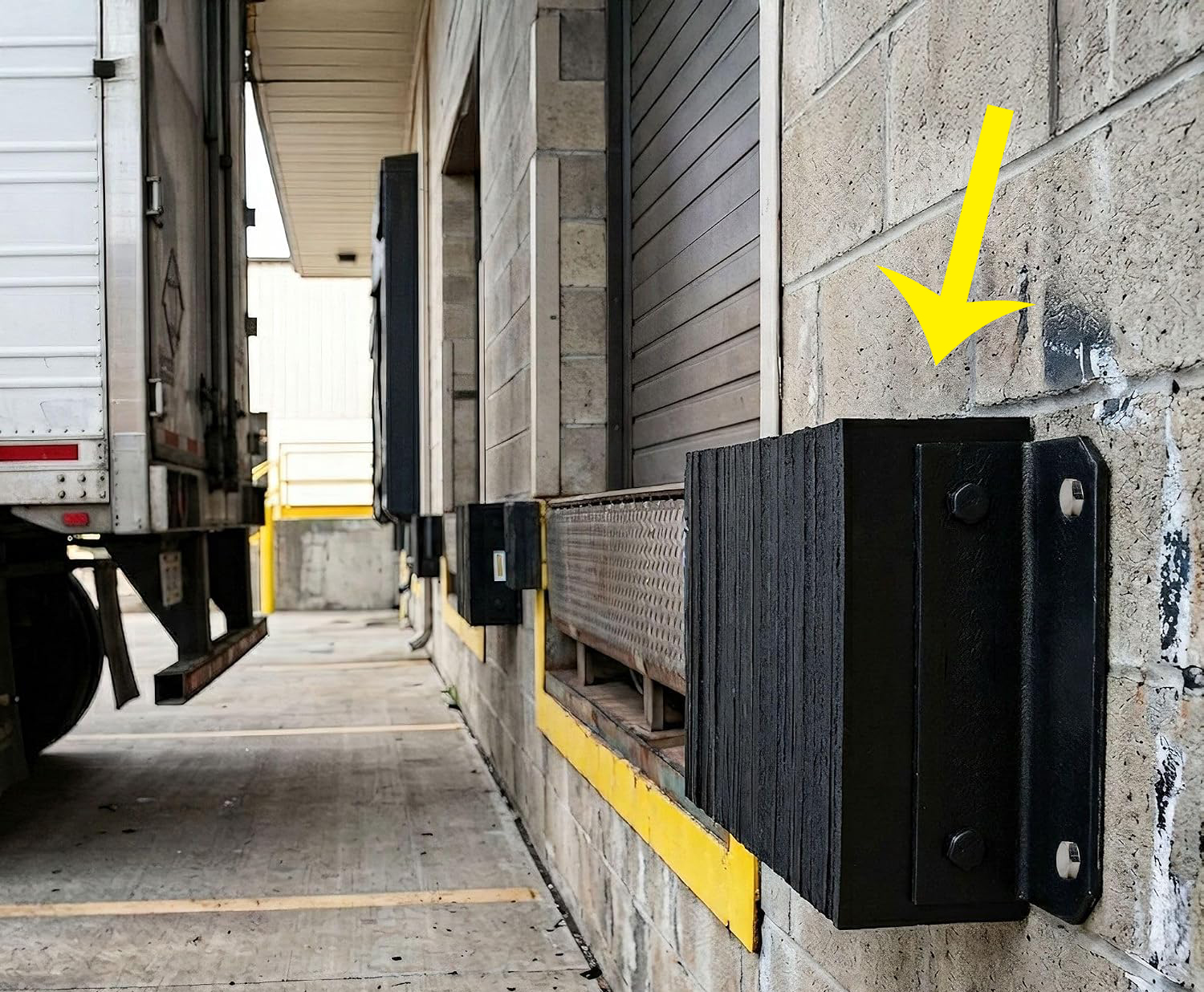 Rubber Laminated Loading Dock Bumper with Steel Angle: 5 Field Failure Signs That Point Back to the RFQ
 Bridge Bearing Pad Field Failure: 5 Visual Signs Before It Retires (And What Caused It)
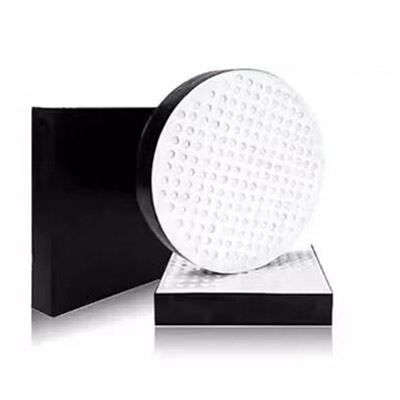 Bridge Bearing Pad RFQ Checklist: 9 Lines That Stop Suppliers From Subbing the Rubber