
Mining operations are among the most demanding industrial environments, requiring tools and components that can withstand extreme conditions while maintaining reliability. One question that often arises is whether rubber service plugs—versatile sealing solutions commonly used in various industries—can be effectively employed in mining equipment. The answer depends on understanding the unique challenges of mining applications and how these plugs are engineered to address them. This article explores the compatibility of rubber service plugs with mining machinery, their benefits, and key considerations for selecting the right type for specific needs.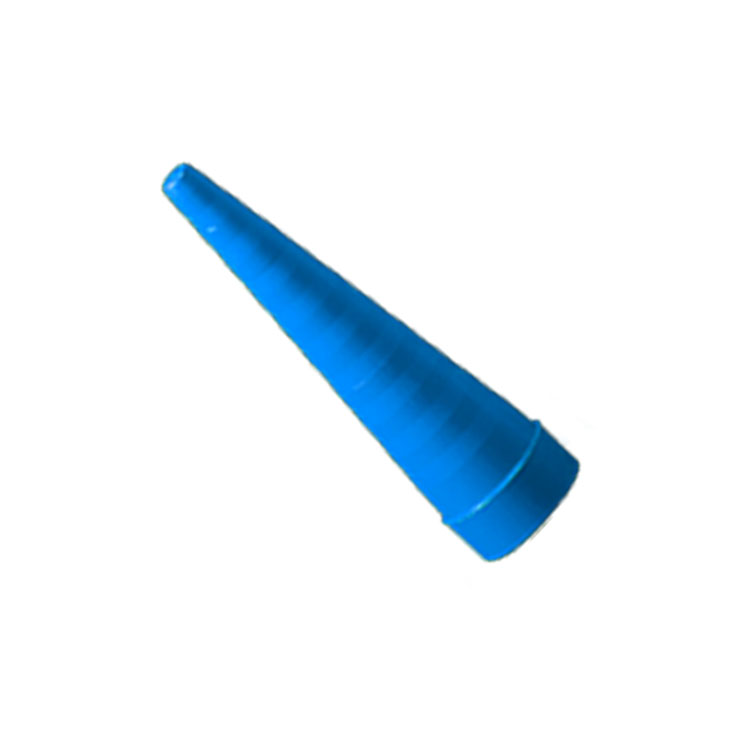
The Role of Sealing Solutions in Mining Equipment
Mining equipment operates under harsh conditions, including exposure to abrasive materials, moisture, chemicals, and extreme temperatures. From hydraulic systems to drilling machinery, every component must function seamlessly to avoid costly downtime. Sealing solutions like rubber service plugs play a critical role in preventing leaks, protecting internal parts from contaminants, and maintaining pressure integrity. Unlike rigid metal plugs, rubber alternatives offer flexibility, which can be advantageous in dynamic environments where vibrations or thermal expansion occur. Their ability to create a tight, resilient seal makes them a candidate for mining applications, but their suitability depends on material composition and design.
Key Features of Rubber Service Plugs for Mining Use
For rubber service plugs to thrive in mining settings, they must meet specific performance criteria. First, chemical resistance is essential, as mining equipment often interacts with lubricants, hydraulic fluids, and cleaning agents that could degrade inferior materials. High-quality rubber compounds, such as those reinforced with nitrile or fluorocarbon, resist corrosion and maintain elasticity over time. Second, temperature tolerance is critical; mining operations in hot climates or near machinery generating heat require plugs that won’t soften or lose shape. Conversely, cold-weather resilience ensures plugs remain pliable in freezing conditions. Third, abrasion resistance protects against wear caused by dust, gravel, or metal particles, extending the rubber plug’s lifespan.
Applications in Hydraulic and Pneumatic Systems
Hydraulic and pneumatic systems are the backbone of mining machinery, powering everything from excavators to conveyor belts. These systems rely on precise pressure control, and hydraulic service plugs can help maintain this by sealing off ports during maintenance or storage. For example, when a hydraulic cylinder needs repair, a rubber plug can temporarily block fluid flow, preventing leaks and contamination. Similarly, in pneumatic tools, plugs can isolate air lines to safely disconnect components. Their flexibility allows them to conform to irregular surfaces, ensuring a secure fit even in aging or worn equipment. This adaptability reduces the need for custom-fabricated solutions, saving time and cost.
Environmental and Safety Advantages
Mining sites prioritize safety and environmental compliance, and hydraulic rubber plugs contribute to both. By preventing leaks, they reduce the risk of slippery surfaces caused by spilled fluids, which could lead to accidents. Additionally, they help contain hazardous substances, protecting workers and nearby ecosystems. Unlike metal plugs, rubber variants are less likely to spark, making them safer in environments where flammable gases or dust are present. Their lightweight nature also simplifies handling, reducing strain during installation or removal. For companies aiming to meet strict safety regulations, these rubber plugs offer a practical, cost-effective solution.
Challenges and Limitations
Despite their benefits, rubber service plugs aren’t universally suitable for all mining applications. One limitation is pressure rating. While some hydraulic rubber plugs can handle high-pressure systems, others may deform under extreme force, compromising the seal. It’s crucial to match the plug’s specifications to the equipment’s operating pressure. Another challenge is UV exposure; prolonged sunlight can degrade certain rubber compounds, though this is less of an issue for underground mining. Finally, compatibility with specific fluids must be verified—for instance, some rubber types may not resist certain oils or solvents used in mining processes. Consulting with manufacturers to select the right material is vital.
Selecting the Right Rubber Service Plug for Mining
Choosing the appropriate rubber service plug involves evaluating several factors. Start by identifying the operating environment: Will the plug be used above ground or below? What temperatures and chemicals will it encounter? Next, consider the application type—whether it’s for hydraulic systems, dust sealing, or temporary port closure. The rubber plug’s size and shape must align with the equipment’s ports, and its durability should match the maintenance cycle. For example, a hydraulic service plug used in a high-frequency maintenance area might need faster installation features, like threaded designs or pull tabs. Partnering with suppliers who understand mining’s unique demands ensures access to plugs engineered for longevity and performance.
Conclusion: A Versatile Solution for Modern Mining
Rubber service plugs offer a compelling mix of flexibility, durability, and safety for mining equipment, addressing many of the industry’s sealing challenges. While not a one-size-fits-all solution, their adaptability makes them valuable in hydraulic systems, dust management, and temporary port sealing. By selecting plugs designed for mining’s harsh conditions—with proper chemical resistance, temperature tolerance, and pressure ratings—companies can enhance equipment reliability and reduce maintenance costs. As mining technology evolves, the role of rubber service plugs is likely to expand, providing innovative sealing solutions for even the toughest environments.
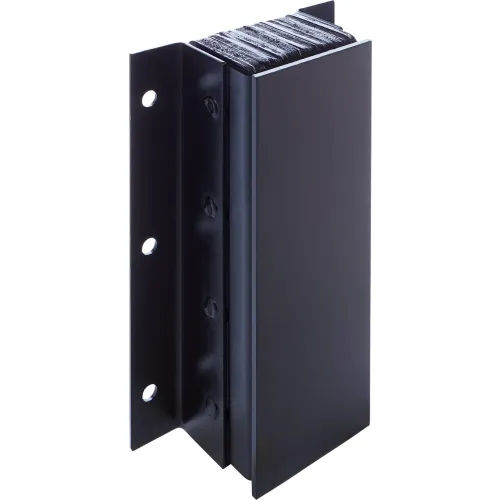 Steel-Faced Laminated Rubber Bumper: 5 Field Problems Buyers Keep Finding After Installation
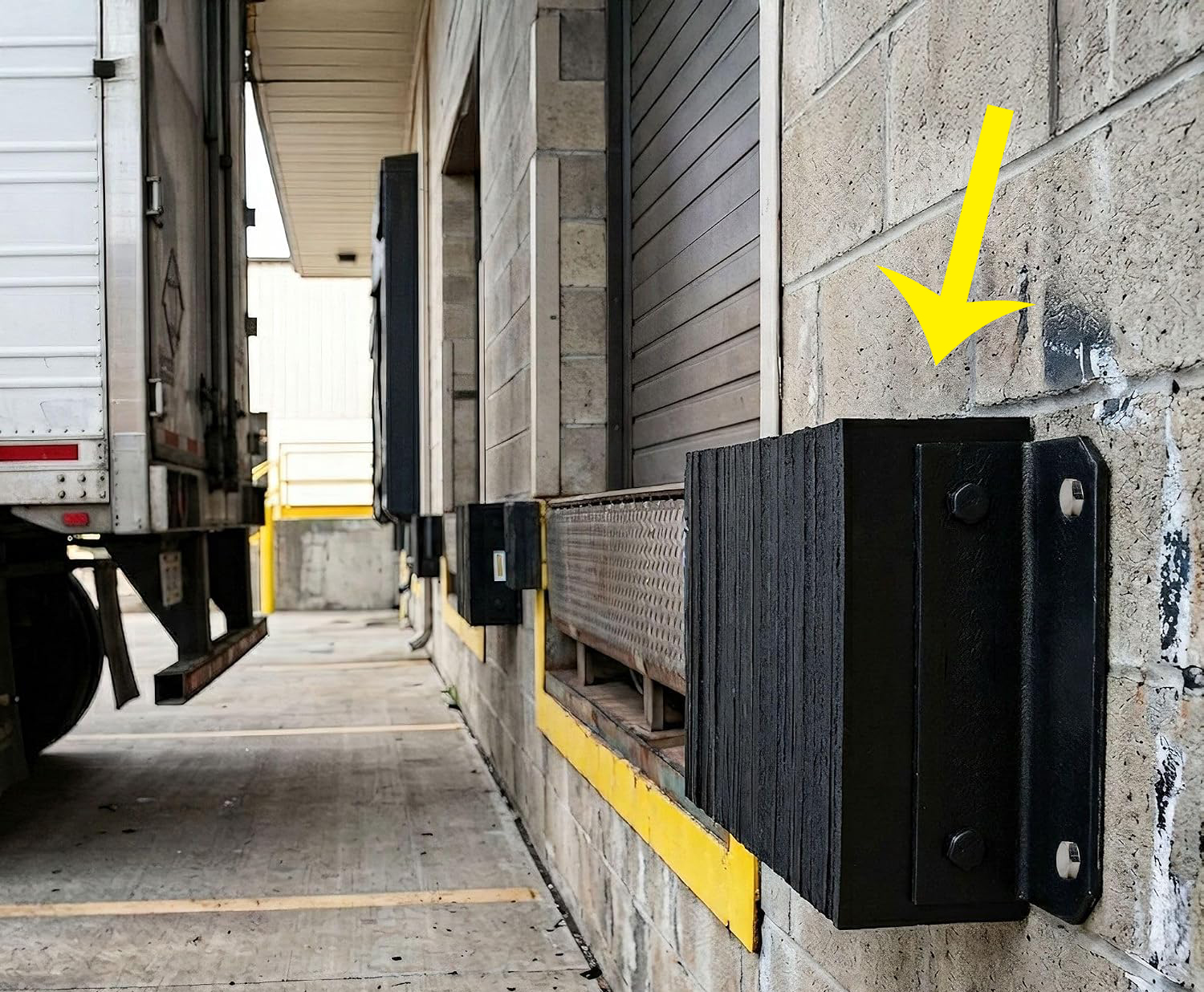 Rubber Laminated Loading Dock Bumper with Steel Angle: 5 Field Failure Signs That Point Back to the RFQ
 Bridge Bearing Pad Field Failure: 5 Visual Signs Before It Retires (And What Caused It)
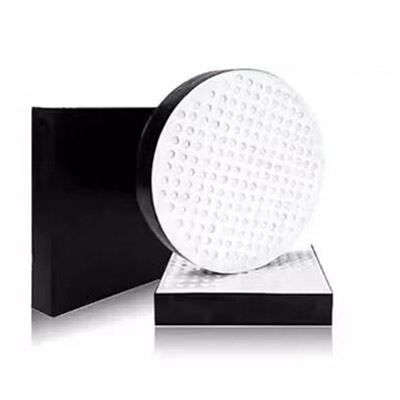 Bridge Bearing Pad RFQ Checklist: 9 Lines That Stop Suppliers From Subbing the Rubber