
For homeowners, contractors, and DIY enthusiasts, plumbing projects often raise questions about the right tools and materials. Among these, rubber service plugs—compact, flexible components designed to temporarily seal pipes—are gaining attention. But are they truly suitable for plumbing tasks? Let’s explore their role, benefits, and limitations through a third-party lens.
Understanding Rubber Service Plugs in Plumbing
Rubber service plugs are versatile tools used to block fluid flow in pipes during maintenance, testing, or repairs. Made from durable, chemically resistant rubber, they create a tight seal by expanding slightly when inserted into pipe openings. Their flexibility allows them to conform to irregular surfaces, making them ideal for both residential and commercial plumbing systems.
These plugs are commonly used to isolate sections of piping, preventing leaks or contamination during work. For example, when repairing a sink drain or inspecting a sewer line, a rubber plug can temporarily halt water flow without requiring complex equipment. Their simplicity and reusability also make them cost-effective alternatives to permanent fixtures.
Key Benefits for Plumbing Applications
Leak Prevention: Rubber plugs excel at creating airtight seals, even in slightly worn pipes. Their elasticity compensates for minor scratches or uneven surfaces, reducing the risk of leaks during temporary closures.
Chemical Resistance: Many rubber compounds resist corrosion from water, sewage, and common cleaning agents, ensuring longevity in harsh environments.
Ease of Use: Unlike threaded caps or welded solutions, rubber plugs require no special tools. A simple push or twist secures them in place, saving time for professionals and novices alike.
Reusability: High-quality rubber plugs withstand repeated insertion and removal without losing shape, making them eco-friendly and budget-friendly over time.
When to Use Rubber Plugs in Plumbing
Rubber service plugs shine in scenarios requiring temporary pipe closure. For instance:
Pressure Testing: Plumbers often seal sections of piping to check for leaks under pressure. Rubber plugs provide a quick, reliable solution.
Maintenance Work: During repairs or upgrades, isolating a pipe segment prevents spills and contamination.
Winterization: In colder climates, rubber plugs can block outdoor faucets or sprinkler systems to prevent freezing damage.
DIY Projects: Homeowners tackling minor plumbing fixes, such as replacing a valve, can use rubber plugs to control water flow safely.
However, they are not designed for permanent installations. For long-term solutions, consider PVC caps or soldered fittings.
Limitations and Considerations
While versatile, rubber service plugs have constraints. Extreme temperatures, for example, can degrade rubber over time. Prolonged exposure to sunlight or freezing conditions may reduce elasticity, compromising the seal. Additionally, very high-pressure systems (such as industrial pipelines) might require stronger materials like metal or composite plugs.
Another consideration is compatibility with pipe materials. Rubber plugs work best with smooth surfaces like PVC, copper, or stainless steel. Rough or corroded pipes may prevent a proper seal, necessitating alternative methods.
How to Choose the Right Rubber Plug
Selecting the correct plug involves three factors:
Pipe Diameter: Measure the inner diameter of the pipe to ensure a snug fit. Oversized plugs may slip, while undersized ones won’t seal properly.
Rubber Type: Opt for plugs made from materials rated for your application. For example, plugs exposed to oils should use nitrile rubber, while those in drinking water systems need food-grade compounds.
Design Features: Some plugs include handles or pull tabs for easy removal, while others prioritize compactness for tight spaces.
When in doubt, consult a plumbing professional or refer to manufacturer guidelines for material specifications.
Real-World Applications: Success Stories
Across the U.S., rubber service plugs have proven their worth. In Austin, Texas, a contractor used them to seal copper pipes during a kitchen remodel, avoiding water damage to newly installed cabinets. Meanwhile, a homeowner in Portland, Oregon, relied on rubber plugs to winterize outdoor plumbing, preventing costly freeze-related breaks.
These examples highlight the plug’s adaptability. Whether for quick fixes or structured projects, their role in minimizing downtime and mess is undeniable.
Environmental and Safety Advantages
Rubber service plugs align with sustainable practices by reducing waste. Unlike single-use plastic caps, they can be reused for years, lowering the demand for disposable materials. Additionally, their non-toxic composition ensures they won’t leach harmful chemicals into water supplies, a critical factor for eco-conscious consumers.
Safety is another priority. By creating secure seals, rubber plugs prevent accidental spills that could lead to slips, electrical hazards, or property damage. Their simplicity also reduces the need for hazardous adhesives or power tools during installation.
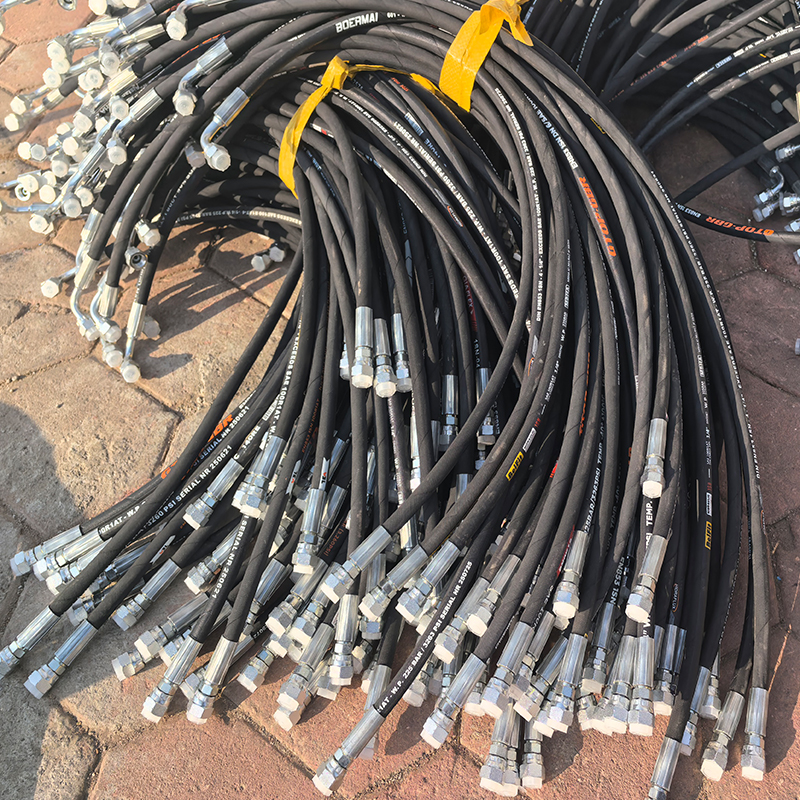 How to Create a Proactive Spiral Hydraulic Hose Replacement Plan That Prevents Downtime?
 Is Your Hydraulic System Overstressing? 5 Diagnostic Signs You Need to Upgrade to Spiral Hose
 Is Your Hydraulic System Pushing Limits? When to Specify Spiral Hose vs. Braided?
 Is Your Machinery Demanding More? Why Upgrade to a Spiral Hydraulic Hose?