
When it comes to industrial or household applications, rubber service plugs play a critical role in sealing, protecting, and maintaining the integrity of systems. Whether used in plumbing, automotive, or manufacturing settings, these unassuming components ensure leaks are prevented, contaminants are kept out, and equipment operates smoothly. But how can you determine if a rubber service plug meets the necessary quality standards? This guide breaks down the essential testing methods to evaluate durability, functionality, and long-term reliability—all in language that’s easy to understand.
Visual Inspection: The First Line of Defense
Before diving into technical tests, start with a simple visual check. A high-quality rubber service plug should have a smooth, consistent surface free of cracks, blisters, or uneven textures. Discoloration or fading could indicate exposure to UV light or chemicals, which might compromise its performance over time.
Check the edges for roughness or deformities. Even minor imperfections can lead to poor sealing, allowing moisture or debris to seep through. Additionally, verify that the plug fits snugly into its intended opening without gaps. A plug that’s too loose or too tight may fail under pressure.
Material Composition: Understanding What’s Inside
The quality of a rubber service plug hinges on its material. Synthetic rubbers like neoprene, silicone, or EPDM (ethylene propylene diene monomer) are commonly used for their flexibility, chemical resistance, and temperature tolerance. However, not all rubbers are created equal.
To test material quality, consider the following:
Flexibility: Gently bend the plug to see if it returns to its original shape without cracking.
Odor: A strong chemical smell might indicate low-grade materials or improper curing.
Weight: Compare the plug to industry standards; overly lightweight plugs may lack durability.
If possible, request material certificates from the manufacturer to confirm compliance with regulations like ASTM (American Society for Testing and Materials) standards.
Compression Set Test: Measuring Resilience
Over time, rubber plugs can lose their ability to rebound after being compressed. This is known as "compression set," and it’s a critical factor in long-term performance.
To conduct a basic compression set test:
Compress the plug to a specified percentage (e.g., 25%) of its original height.
Hold it under pressure for a set time (often 24 hours at elevated temperatures).
Release the pressure and measure how much it fails to return to its original shape.
A high-quality plug should retain at least 70-80% of its original height after compression. Plugs that fail this test may harden or crack prematurely, leading to leaks.
Temperature Resistance: From Freezing to Scorching
Rubber service plugs are often exposed to extreme temperatures, whether in outdoor equipment or industrial machinery. Testing their ability to withstand heat and cold is essential.
Cold Resistance: Place the plug in a freezer or cold chamber for several hours. Once removed, check for brittleness or cracking when bent.
Heat Resistance: Submerge the plug in hot water or expose it to high temperatures (per manufacturer guidelines). Look for softening, swelling, or discoloration.
A reliable plug should maintain its shape and flexibility across its rated temperature range.
Chemical Compatibility: Avoiding Corrosion
In many applications, rubber plugs come into contact with oils, fuels, solvents, or cleaning agents. Exposure to incompatible chemicals can cause swelling, degradation, or complete failure.
To test chemical resistance:
Identify the chemicals the plug will encounter in its intended use.
Submerge a sample plug in the chemical for a specified period (e.g., 24-72 hours).
Inspect for changes in size, texture, or color.
Plugs used in automotive or industrial settings should resist common fluids like gasoline, hydraulic oil, or coolant. Always consult chemical compatibility charts provided by rubber manufacturers.
Leak Testing: The Ultimate Seal Check
A rubber service plug’s primary job is to create an airtight or watertight seal. To verify this:
Pressure Test: Install the plug in a controlled environment and apply air or water pressure. Monitor for drops in pressure, which indicate leaks.
Dye Penetration: Apply a colored dye to the plug’s surface. If the dye seeps into the sealed area, it reveals microscopic gaps.
Vacuum Test: Create a vacuum around the plug and observe if it holds suction. A failing plug will collapse or allow air to enter.
Even small leaks can lead to significant problems over time, so thorough testing is non-negotiable.
Longevity and Aging Tests: Predicting Performance Over Time
Quality isn’t just about immediate performance—it’s about how a plug holds up after months or years of use. Accelerated aging tests simulate long-term wear by exposing plugs to:
UV Light: Mimic sunlight exposure to check for cracking or fading.
Ozone Exposure: Test resistance to ozone, which can degrade rubber over time.
Repeated Cycling: Compress and release the plug repeatedly to mimic real-world use.
Plugs that pass these tests are more likely to deliver consistent performance throughout their lifespan.
Conclusion: Why Quality Matters
A rubber service plug might seem like a small component, but its failure can lead to costly repairs, downtime, or safety hazards. By conducting visual inspections, material tests, compression set evaluations, and real-world simulations, you can ensure the plugs you use meet—or exceed—industry standards.
For professionals and DIY enthusiasts alike, investing time in quality testing upfront saves headaches down the road. Whether you’re sealing a pipeline, protecting electrical components, or maintaining machinery, the right rubber plug makes all the difference.
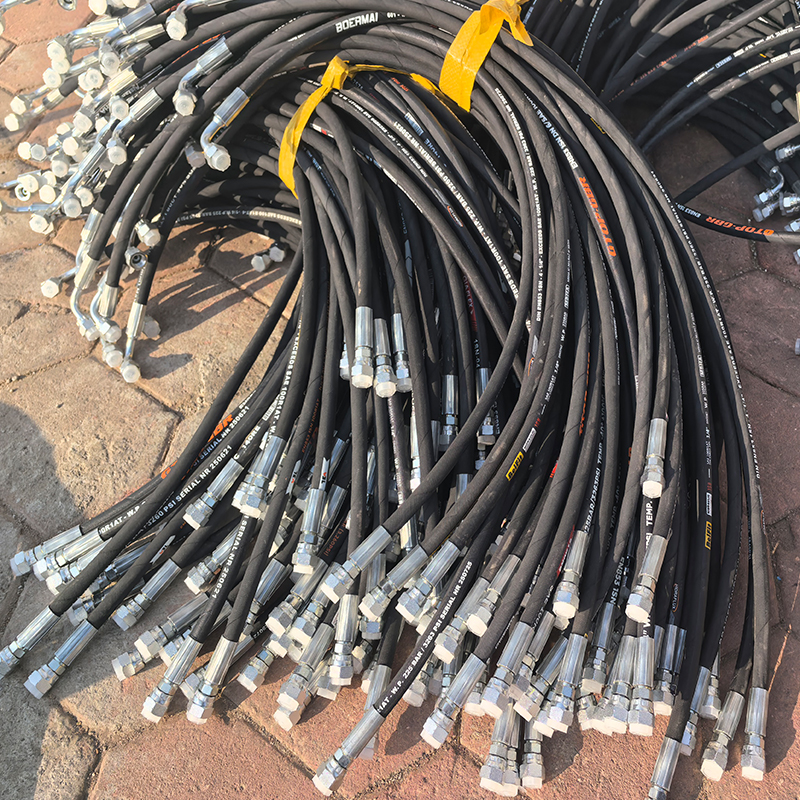 How to Create a Proactive Spiral Hydraulic Hose Replacement Plan That Prevents Downtime?
 Is Your Hydraulic System Overstressing? 5 Diagnostic Signs You Need to Upgrade to Spiral Hose
 Is Your Hydraulic System Pushing Limits? When to Specify Spiral Hose vs. Braided?
 Is Your Machinery Demanding More? Why Upgrade to a Spiral Hydraulic Hose?