
Rubber service plugs are small but mighty components designed to seal, protect, and secure openings in machinery, equipment, and infrastructure. Their versatility and durability make them indispensable across industries, from automotive manufacturing to residential construction. Let’s explore how these unassuming tools play a critical role in seven key sectors, ensuring safety, efficiency, and longevity.
Automotive Manufacturing: Protecting Precision Under Pressure
The automotive industry relies on rubber service plugs to safeguard delicate components during assembly, storage, and transportation. These plugs are used to seal fuel lines, hydraulic systems, and engine openings, preventing contaminants like dust, moisture, or debris from entering sensitive parts. For example, when a vehicle’s engine is partially assembled, plugs keep internal passages clean until final installation. They also protect threaded holes or ports during painting or coating processes, ensuring a flawless finish without clogging critical pathways.
Beyond production, rubber plugs are vital during maintenance. Mechanics use them to block oil or coolant lines temporarily, allowing safe repairs without spills. Their flexibility and chemical resistance make them ideal for withstanding automotive fluids, extreme temperatures, and mechanical stress.
Construction and Infrastructure: Building Resilience From the Ground Up
In construction, rubber service plugs are essential for managing pipelines, ductwork, and structural openings. During plumbing installations, plugs seal pipes to prevent debris or cement from entering during concrete pours. Similarly, they’re used in HVAC systems to cap ducts temporarily, maintaining airtight environments during renovations.
For infrastructure projects like bridges or tunnels, rubber plugs protect anchor bolts or threaded rods from corrosion during construction. By creating a waterproof seal, they ensure these components remain intact until final assembly. Their ability to conform to irregular surfaces makes them adaptable to concrete forms, metal structures, and even curved pipelines.
Electronics and Electrical Systems: Shielding Sensitivity
The electronics industry demands precision, and rubber service plugs rise to the challenge. They seal unused ports on devices like servers, routers, or industrial control panels, preventing dust, humidity, or insects from damaging internal circuits. In manufacturing, plugs protect connector ports during assembly or shipping, avoiding static discharge or physical damage.
For electrical systems, rubber plugs act as insulators. When installed in junction boxes or conduit fittings, they block moisture and debris, reducing the risk of short circuits. Their non-conductive properties make them safe for use around live wires, while their durability ensures long-term performance in harsh environments.
Aerospace and Defense: Precision Under Extreme Conditions
Aerospace applications require components that can withstand extreme pressures, temperatures, and vibrations. Rubber service plugs are used to seal fuel tanks, hydraulic lines, and avionics compartments during maintenance or storage. Their ability to maintain a tight seal under fluctuating conditions prevents leaks, which could compromise flight safety.
In defense manufacturing, plugs protect weapon systems, vehicles, and communication equipment from environmental contaminants. For example, they might seal sensor ports on military drones or cap fluid reservoirs in armored vehicles. The materials used in these plugs often meet stringent military standards for fire resistance, chemical compatibility, and low outgassing.
Marine and Offshore Industries: Withstanding the Elements
Saltwater, UV exposure, and constant motion make the marine environment one of the toughest for materials. Rubber service plugs excel here by sealing hatches, ports, and through-hull fittings on boats and ships. They prevent water ingress into compartments, protecting electronics, engines, and cargo.
Offshore platforms use rubber plugs to cap unused pipelines or instrument ports during drilling operations. Their resistance to oil, chemicals, and seawater ensures reliability in submerged or high-pressure environments. Some plugs even incorporate UV stabilizers to prevent degradation from prolonged sun exposure.
Medical and Pharmaceutical Equipment: Ensuring Sterility and Safety
In medical device manufacturing, rubber service plugs maintain sterile environments during production and storage. They seal fluid pathways in equipment like dialysis machines or IV systems, preventing contamination. Their biocompatibility ensures they don’t react with medications or bodily fluids, adhering to strict regulatory standards.
Pharmaceutical companies use plugs to cap vials, test tubes, or reactor vessels during drug development. By creating an airtight seal, they protect sensitive chemicals from oxidation or moisture, ensuring product efficacy. Some plugs are designed for single-use applications, reducing cross-contamination risks in cleanrooms.
Residential and Commercial Plumbing: Simplifying Maintenance
For homeowners and contractors, rubber service plugs are a practical solution for temporary or permanent pipe sealing. During kitchen or bathroom renovations, plugs block drains or sinks to prevent debris from clogging pipes. They’re also used to cap unused water lines in new constructions, avoiding the need for complex shutoff valves.
In commercial settings, plugs seal sprinkler system test ports or HVAC ducts during inspections. Their ease of installation and removal makes them ideal for quick fixes, reducing downtime. Homeowners might even use smaller plugs to seal garden hose threads during winterization, preventing freezing damage.
Conclusion: The Unsung Heroes of Industry
Rubber service plugs may be small, but their impact spans industries and applications. From protecting fighter jets to preserving pharmaceuticals, their adaptability, durability, and cost-effectiveness make them indispensable. As technology evolves, these plugs continue to adapt, offering solutions for emerging challenges in renewable energy, electric vehicles, and smart infrastructure.
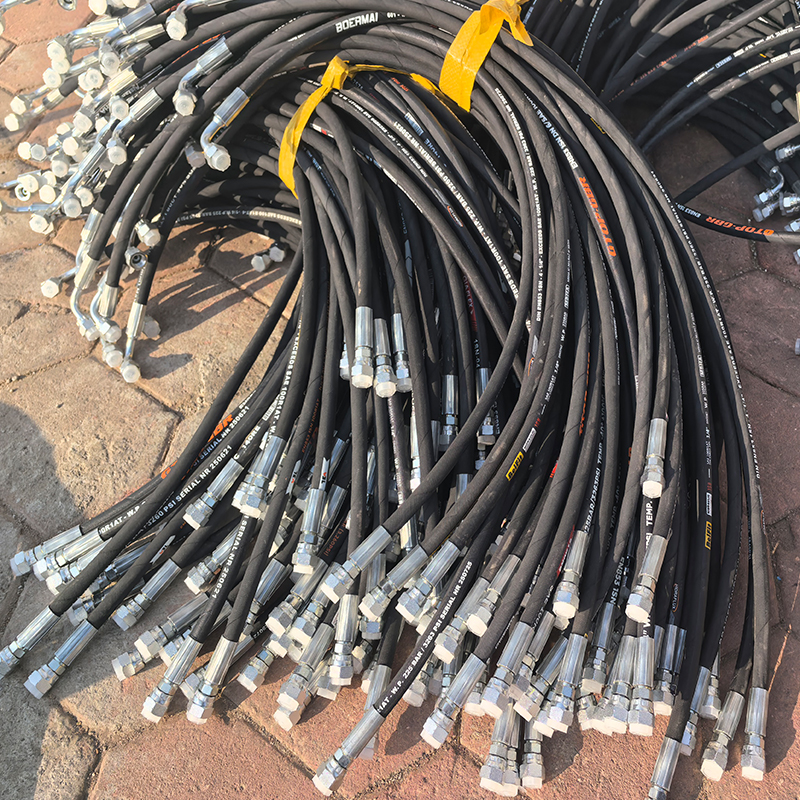 How to Create a Proactive Spiral Hydraulic Hose Replacement Plan That Prevents Downtime?
 Is Your Hydraulic System Overstressing? 5 Diagnostic Signs You Need to Upgrade to Spiral Hose
 Is Your Hydraulic System Pushing Limits? When to Specify Spiral Hose vs. Braided?
 Is Your Machinery Demanding More? Why Upgrade to a Spiral Hydraulic Hose?