
When it comes to ensuring safety, reliability, and performance in industrial and residential settings, rubber service plugs play a critical yet often overlooked role. These versatile components are designed to seal openings, prevent contamination, and protect systems during maintenance or storage. But what standards govern their design, manufacturing, and use? For professionals and consumers in the United States, understanding these benchmarks is essential for making informed decisions. Let’s explore the key standards and considerations that define quality in this niche.
Material Durability: Weathering the Elements
Rubber service plugs must withstand diverse environmental conditions, from extreme temperatures to chemical exposure. In the U.S., standards like ASTM D2000 provide guidelines for rubber materials used in automotive, industrial, and consumer applications. These specifications outline requirements for tensile strength, elongation, and resistance to ozone, UV light, and moisture. For instance, a plug exposed to outdoor environments might need to meet stricter aging tests to ensure it doesn’t crack or degrade over time. Manufacturers often select compounds like silicone, EPDM, or neoprene based on their compatibility with specific substances, ensuring longevity in real-world scenarios.
Chemical Resistance: Protecting Against Corrosion
Many industries rely on rubber plugs to shield equipment from corrosive chemicals, fuels, or solvents. Standards such as ASTM D471 evaluate how rubber materials interact with liquids like oils, acids, or alcohols. A plug used in a automotive workshop, for example, must resist gasoline and brake fluid without swelling or losing elasticity. Similarly, plugs in food processing facilities might need FDA compliance for materials that come into contact with edible substances. By adhering to these benchmarks, manufacturers guarantee that their products won’t compromise system integrity or safety.
Temperature Tolerance: From Freezing Cold to Scorching Heat
Rubber service plugs often operate in environments with fluctuating temperatures. Standards like SAE J200 address thermal stability, ensuring plugs maintain their shape and sealing properties in extreme conditions. A plug used in a refrigeration unit, for instance, must remain flexible at sub-zero temperatures, while one in an engine compartment should withstand heat without melting or hardening. Testing protocols involve exposing samples to controlled temperature cycles, verifying their ability to perform consistently across a wide range.
Dimensional Accuracy: The Fit Matters
A poorly fitting plug can lead to leaks, contamination, or equipment damage. Industry standards emphasize precise measurements to ensure compatibility with pipes, valves, or machinery openings. Organizations like ANSI (American National Standards Institute) and ISO (International Organization for Standardization) provide guidelines for tolerances in diameter, thickness, and taper. For example, a plug designed for a 2-inch pipe must fit snugly without requiring excessive force, which could strain the material or the connected system. Manufacturers use advanced molding techniques and quality checks to meet these specifications.
Safety Certifications: Meeting Regulatory Requirements
In the U.S., rubber service plugs used in hazardous environments—such as oil and gas pipelines or chemical plants—must comply with safety regulations like those from OSHA (Occupational Safety and Health Administration). Certifications such as UL (Underwriters Laboratories) or CSA (Canadian Standards Association) may also apply, depending on the application. These labels indicate that a product has undergone rigorous testing for fire resistance, pressure tolerance, and failure modes. For consumers, choosing certified plugs reduces risks of accidents or system failures.
Environmental Considerations: Sustainability in Manufacturing
As sustainability gains traction, standards for eco-friendly materials and processes are becoming increasingly relevant. Regulations like California’s Proposition 65 require manufacturers to disclose chemicals linked to cancer or reproductive harm, prompting the use of safer alternatives. Additionally, certifications such as RoHS (Restriction of Hazardous Substances) limit the use of lead, mercury, and other toxic materials in rubber compounds. Companies that prioritize recyclable materials or energy-efficient production methods not only comply with regulations but also appeal to environmentally conscious buyers.
Industry-Specific Standards: Tailoring to Needs
Different sectors impose unique requirements on rubber service plugs. The automotive industry, for example, follows SAE International standards for plugs used in fuel systems or engine blocks, emphasizing leak prevention under high pressure. In construction, plugs for concrete formwork must withstand the weight of wet cement without shifting. Meanwhile, the aerospace sector demands lightweight yet durable materials that meet NASA or FAA guidelines. Understanding these niche standards ensures that plugs perform reliably in specialized contexts.
Conclusion: Why Standards Matter
Rubber service plugs may seem like minor components, but their role in system safety and efficiency is undeniable. By adhering to national and international standards, manufacturers ensure their products can handle real-world challenges—from chemical spills to temperature extremes. For buyers in the U.S., prioritizing certified plugs means investing in reliability, compliance, and peace of mind. Whether you’re maintaining industrial machinery or sealing a residential plumbing system, choosing plugs that meet rigorous benchmarks is a step toward long-term success.
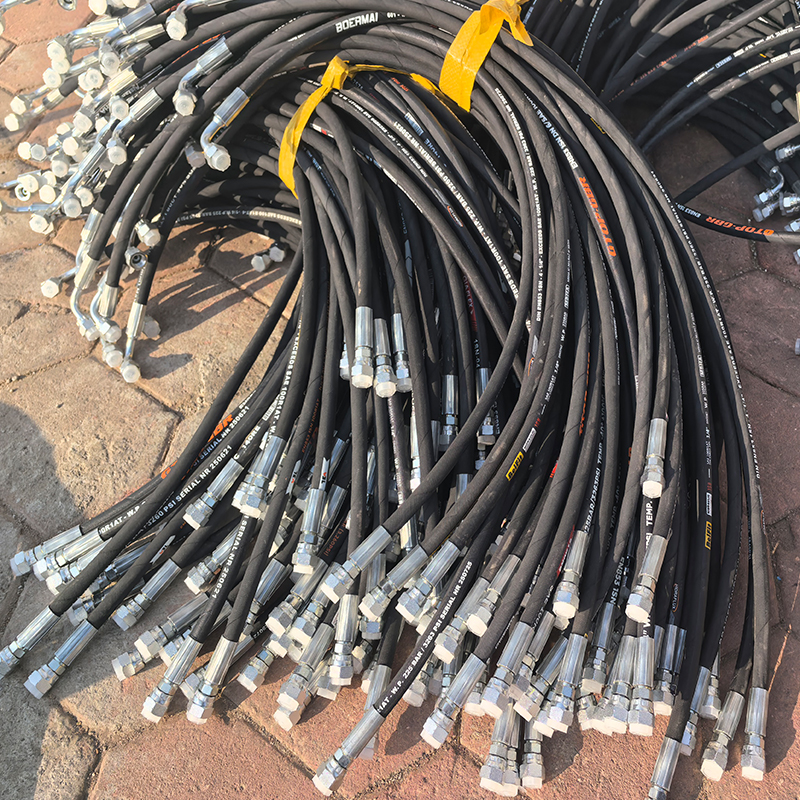 How to Create a Proactive Spiral Hydraulic Hose Replacement Plan That Prevents Downtime?
 Is Your Hydraulic System Overstressing? 5 Diagnostic Signs You Need to Upgrade to Spiral Hose
 Is Your Hydraulic System Pushing Limits? When to Specify Spiral Hose vs. Braided?
 Is Your Machinery Demanding More? Why Upgrade to a Spiral Hydraulic Hose?