
Rubber service plugs are essential components in industries ranging from automotive manufacturing to plumbing and electronics. These versatile tools seal openings, prevent contamination, and protect internal systems during maintenance or storage. But one question frequently arises: How much heat can a rubber service plug withstand before compromising its function? Understanding temperature limits is critical for ensuring safety, efficiency, and longevity in applications. Let’s explore the factors that determine heat resistance and how to select the right plug for your needs.
The Science Behind Rubber’s Heat Resistance
Rubber’s ability to endure heat stems from its molecular structure. Natural rubber, derived from latex, and synthetic alternatives like silicone or neoprene are engineered to resist thermal degradation. When exposed to heat, rubber undergoes physical changes: it softens, loses elasticity, and may eventually melt or char. The maximum temperature a plug can tolerate depends on its material composition. For example, silicone rubber typically withstands higher temperatures (up to 500°F) compared to natural rubber (around 200°F). Manufacturers often blend polymers or add stabilizers to enhance heat resistance, creating plugs suitable for diverse environments.
Why Temperature Matters in Industrial Applications
In industrial settings, rubber service plugs are exposed to extreme conditions. A plug used in automotive engine compartments might face temperatures exceeding 300°F, while those in HVAC systems could encounter fluctuating heat and cold. Exceeding a plug’s temperature threshold can lead to catastrophic failures: melted rubber might drip into machinery, causing damage, or fail to seal, leading to leaks. Even brief exposure to temperatures beyond a plug’s limit can accelerate wear, reducing its lifespan. Selecting a plug rated for higher temperatures than your application demands ensures reliability and safety.
How to Identify a Rubber Plug’s Temperature Rating
Not all rubber plugs are created equal. To determine a plug’s heat tolerance, check its technical specifications, often provided by manufacturers. These ratings are typically listed in degrees Fahrenheit or Celsius and indicate the maximum continuous temperature the plug can endure without degradation. For instance, a plug rated for 250°F is suitable for most residential plumbing projects but might fail in a high-temperature industrial oven. If specifications are unavailable, contact the supplier or conduct small-scale tests under controlled conditions to assess performance.
The Role of Material Composition
The type of rubber used directly impacts heat resistance. Here’s a breakdown of common materials:
Natural Rubber: Affordable and flexible but limited to around 200°F. Ideal for low-heat applications like household plumbing.
Silicone Rubber: Withstands up to 500°F, making it perfect for automotive, aerospace, and food-grade applications.
Neoprene: Resists oils and chemicals while handling temperatures up to 250°F, commonly used in industrial machinery.
EPDM (Ethylene Propylene Diene Monomer): Tolerates up to 300°F and excels in outdoor settings due to UV resistance.
Choosing the right material ensures the plug performs as expected, even in challenging environments.
Environmental Factors That Affect Performance
Temperature isn’t the only variable impacting a rubber plug’s durability. Prolonged exposure to sunlight, chemicals, or mechanical stress can lower its effective heat resistance. For example, a plug exposed to UV rays might crack over time, reducing its ability to withstand heat. Similarly, contact with oils or solvents can weaken the rubber, even at moderate temperatures. To mitigate these risks, store plugs in cool, dry places away from direct sunlight and avoid using them in environments with incompatible chemicals.
When to Replace a Rubber Service Plug
Even with proper care, rubber plugs degrade over time. Signs of wear include cracks, brittleness, or a sticky surface—all indicators that the plug’s heat resistance has diminished. Regular inspections are crucial, especially in applications where failure could cause damage or injury. Replace plugs that show signs of aging, even if they haven’t yet reached their stated temperature limit. Preventative maintenance is far cheaper than repairing equipment damaged by a failed plug.
Real-World Applications: Choosing the Right Plug
Consider a mechanic working on a vehicle’s cooling system. The engine bay can reach 220°F during operation, so a natural rubber plug might soften and leak. Opting for a silicone plug rated for 400°F ensures a secure seal, even under prolonged heat. Similarly, a plumber sealing pipes in a basement with inconsistent temperatures would benefit from an EPDM plug, which handles both heat and cold without cracking. Matching the plug’s material and rating to the application’s demands prevents costly mistakes.
Conclusion: Prioritizing Safety and Efficiency
The maximum temperature a rubber service plug can tolerate depends on its material, environmental exposure, and intended use. By understanding these factors, professionals and DIY enthusiasts alike can select plugs that perform reliably under pressure. Always verify temperature ratings, inspect plugs regularly, and replace them at the first sign of wear. With the right approach, rubber service plugs remain indispensable tools for sealing, protecting, and maintaining systems across industries.
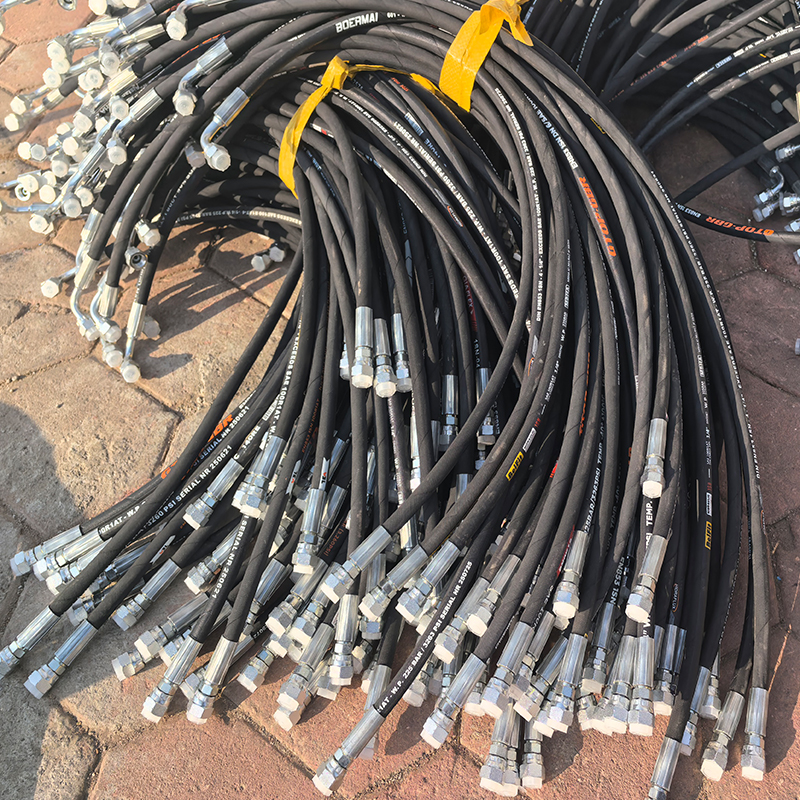 How to Create a Proactive Spiral Hydraulic Hose Replacement Plan That Prevents Downtime?
 Is Your Hydraulic System Overstressing? 5 Diagnostic Signs You Need to Upgrade to Spiral Hose
 Is Your Hydraulic System Pushing Limits? When to Specify Spiral Hose vs. Braided?
 Is Your Machinery Demanding More? Why Upgrade to a Spiral Hydraulic Hose?