
For many drivers, a smooth ride is a silent expectation—until it’s disrupted by mysterious vibrations. These shakes, rattles, or wobbles can range from minor annoyances to alarming safety concerns, prompting questions about their origin. One component often overlooked in this investigation is the hub oil seal, a small but critical part of a vehicle’s wheel assembly. Could this unassuming seal be the root cause of driving vibrations? Let’s explore the mechanics, symptoms, and solutions tied to this often-ignored issue.
The Role of a Hub Oil Seal: More Than Just a Barrier
At first glance, a hub oil seal might seem like a simple rubber or silicone ring. However, its function is vital to a vehicle’s performance. Located where the wheel hub meets the axle or driveshaft, this seal prevents lubricating oil from leaking out while keeping dirt, water, and debris from infiltrating sensitive internal components. Without it, oil would escape, leading to premature wear of bearings and gears, and contaminants would accelerate corrosion and damage.
But how does this relate to vibrations? A compromised seal can create a domino effect. When oil leaks, friction increases in the wheel assembly, causing heat buildup and uneven wear. Over time, this imbalance generates vibrations felt through the steering wheel or chassis, especially at higher speeds.
Symptoms of a Failing Hub Oil Seal: Beyond the Obvious Leaks
Not all hub oil seal issues announce themselves with visible oil spots under the car. Subtler signs often precede catastrophic failure, making early detection key. Drivers might notice:
Unusual noises: Grinding or humming sounds from the wheel area, particularly when turning.
Steering wheel wobble: A rhythmic shake that worsens with acceleration. - Uneven tire wear: A failing seal can lead to misalignment, causing tires to wear unevenly.
Grease on the brake rotor or rim: A leaking seal may push grease outward, creating a messy residue.
These symptoms are often mistaken for tire imbalances, brake problems, or suspension issues. However, if multiple signs appear simultaneously, the hub oil seal deserves closer scrutiny.
The Connection Between Seal Failure and Vibration: A Chain Reaction
When a hub oil seal deteriorates, it allows lubricant to escape, starving the wheel bearings of necessary protection. Bearings rely on oil to reduce friction between moving parts; without it, metal-to-metal contact generates excessive heat and wear. As bearings degrade, they develop “play” or looseness in the wheel assembly, creating imbalance. This imbalance translates to vibrations that intensify with speed, as centrifugal force amplifies the uneven rotation.
Additionally, contaminants entering through a damaged seal can clog lubrication channels or corrode internal surfaces, further destabilizing the wheel hub. In extreme cases, a seized bearing can cause the wheel to lock up temporarily, posing severe safety risks.
Diagnosing the Problem: When to Suspect the Hub Oil Seal
Pinpointing the exact cause of vibrations requires a systematic approach. Mechanics typically start by inspecting tires and wheels for balance or alignment issues, as these are common culprits. If these checks yield no answers, the hub assembly becomes the focus.
A visual inspection might reveal oil residue around the seal or bearing housing. To confirm damage, technicians may use a stethoscope to listen for abnormal noises or employ diagnostic tools to measure vibration frequencies. In some cases, disassembling the hub assembly is necessary to assess bearing condition and seal integrity.
It’s worth noting that vibrations can stem from multiple sources, including warped brake rotors, damaged CV joints, or worn suspension components. A thorough inspection ensures the root cause isn’t overlooked.
Preventive Maintenance: Avoiding Seal-Related Vibrations
Proactive care is the best defense against hub oil seal failures. Regular maintenance routines should include:
Checking for leaks: Periodically inspect the wheel wells and undercarriage for oil spots.
Lubrication checks: Ensure wheel bearings are properly lubricated during routine service.
Avoiding harsh impacts: Potholes or curbs can damage seals and bearings, so drive cautiously over rough terrain.
Replacing seals during bearing service: If wheel bearings are replaced, install new seals to prevent future leaks.
For vehicles exposed to harsh environments—such as salt-covered winter roads or dusty trails—more frequent inspections are advisable.
Repair vs. Replacement: Weighing the Options
If a hub oil seal is compromised, replacement is typically non-negotiable. Attempting to reuse a damaged seal risks immediate failure, leading to more extensive (and expensive) repairs down the line. While some drivers might consider DIY fixes, this task often requires specialized tools and expertise to ensure proper installation and alignment.
In cases where vibrations stem from worn bearings rather than the seal itself, both components should be replaced simultaneously. Bearings and seals work in tandem, and neglecting one can undo the repair’s effectiveness.
The Broader Impact: How Small Seals Affect Vehicle Longevity
A failing hub oil seal isn’t just a nuisance—it’s a threat to long-term vehicle health. By allowing contaminants to infiltrate and lubricants to escape, it accelerates wear on costly components like axles, differentials, and transmissions. Addressing seal issues promptly not only eliminates vibrations but also protects the entire drivetrain from premature failure.
Moreover, persistent vibrations can cause secondary damage. For example, a shaking steering wheel might lead drivers to overcorrect, straining suspension parts or wearing out tires unevenly. This ripple effect underscores the importance of resolving seal-related problems early.
Conclusion: Don’t Overlook the Unsung Hero of Smooth Rides
While hub oil seals rarely make headlines, their impact on driving comfort and safety is undeniable. Vibrations caused by seal failure are more than inconveniences—they’re warnings of deeper mechanical issues. By understanding the signs, prioritizing maintenance, and addressing problems swiftly, drivers can ensure their vehicles remain stable, quiet, and reliable mile after mile.
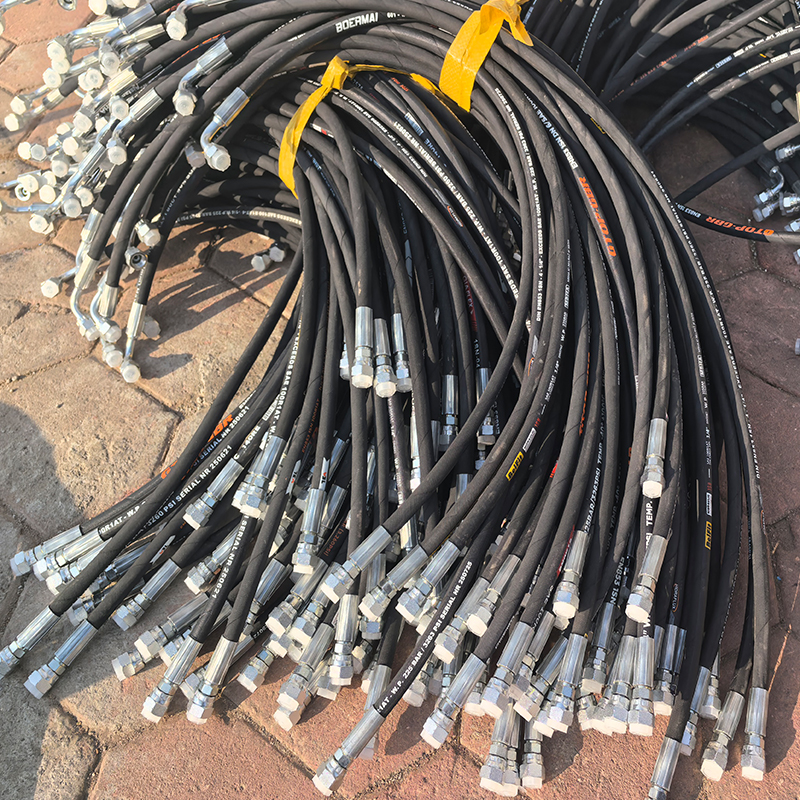 How to Create a Proactive Spiral Hydraulic Hose Replacement Plan That Prevents Downtime?
 Is Your Hydraulic System Overstressing? 5 Diagnostic Signs You Need to Upgrade to Spiral Hose
 Is Your Hydraulic System Pushing Limits? When to Specify Spiral Hose vs. Braided?
 Is Your Machinery Demanding More? Why Upgrade to a Spiral Hydraulic Hose?