
When it comes to maintaining and repairing vehicles or machinery, understanding the components that keep everything running smoothly is crucial. One such component, often overlooked but vital, is the hub oil seal. This small yet significant part plays a pivotal role in preventing lubricants from leaking out and keeping contaminants at bay, ensuring the longevity and efficiency of rotating parts. For those in the United States who are keen on DIY repairs or simply want to be well-informed, grasping the dimensions of a standard hub oil seal is essential. Let's delve into the specifics without delving into overly technical jargon.
The Basics of Hub Oil Seals
Before discussing dimensions, it's important to have a basic understanding of what a hub oil seal is. Essentially, it's a circular component designed to fit snugly around a shaft or hub, creating a barrier that prevents oil or grease from escaping while also stopping dirt and debris from entering. These seals are commonly found in wheel hubs, gearboxes, and other rotating assemblies where lubrication is necessary for smooth operation. The materials used can vary, but they typically include rubber for flexibility and a metal casing for durability.
Inner Diameter: The Fit Around the Shaft
The inner diameter (ID) of a hub oil seal is perhaps the most critical measurement. This dimension determines how well the seal fits around the shaft it's meant to protect. If the ID is too large, the seal won't create a tight enough barrier, leading to leaks. Conversely, if it's too small, installation can be difficult, and the seal might be damaged in the process, compromising its effectiveness. Standard hub oil seals come in a range of IDs to accommodate different shaft sizes, with common measurements falling within a few millimeters to several inches, depending on the application.
Outer Diameter: The Housing Match
Equally important is the outer diameter (OD) of the seal, which dictates how it fits into the housing or bore where it's installed. Just like with the ID, a precise fit is crucial. An OD that's too large won't fit into the housing, while one that's too small won't create a sufficient seal against the housing walls, allowing lubricants to escape. Manufacturers design seals with specific ODs to match the tolerances of various housings, ensuring a secure and leak-proof installation.
Width: The Thickness Factor
The width, or thickness, of a hub oil seal is another dimension that influences its performance. This measurement determines how much surface area the seal has to create a barrier between the shaft and the housing. A wider seal can provide more stability and a better seal, especially in high-vibration applications. However, it's essential to balance width with the available space in the assembly, as an overly thick seal might not fit or could interfere with other components. Standard widths vary, but they're typically designed to fit within the constraints of most common hub and housing designs.
Lip Design: The Sealing Edge
While not a dimension in the traditional sense, the design of the sealing lip is a critical aspect of a hub oil seal's effectiveness. The lip is the part of the seal that actually makes contact with the shaft, creating the dynamic seal that keeps lubricants in and contaminants out. There are several lip designs available, including single-lip and double-lip configurations. Double-lip seals offer an extra layer of protection, with one lip sealing against the shaft and the other acting as a wiper to remove debris. The choice between single and double lips depends on the application's requirements and the level of protection needed.
Material Considerations: Beyond Dimensions
Although not a dimension per se, the materials used in a hub oil seal can significantly impact its performance and lifespan. As mentioned earlier, rubber is commonly used for the sealing element due to its flexibility and ability to conform to irregularities on the shaft surface. However, the type of rubber—such as nitrile, silicone, or fluorocarbon—can affect the seal's resistance to heat, chemicals, and wear. The metal casing, often made from steel or stainless steel, provides structural support and helps maintain the seal's shape under pressure. Choosing the right materials for the application is just as important as selecting the correct dimensions.
Finding the Right Seal: A Matter of Precision
With so many variables to consider, finding the right hub oil seal can seem daunting. However, by understanding the key dimensions—inner diameter, outer diameter, width, and lip design—as well as the material considerations, one can narrow down the options significantly. Many automotive parts stores and online retailers offer search tools that allow customers to input these dimensions and find compatible seals quickly. Additionally, consulting the vehicle or machinery's service manual can provide specific part numbers and dimensions, making the selection process even more straightforward.
In conclusion, while the dimensions of a standard hub oil seal might seem like minor details, they play a major role in ensuring the proper functioning and longevity of rotating assemblies. By taking the time to understand these dimensions and how they relate to the application at hand, individuals in the United States can make informed decisions when it comes to maintenance and repairs, keeping their vehicles and machinery running smoothly for years to come.
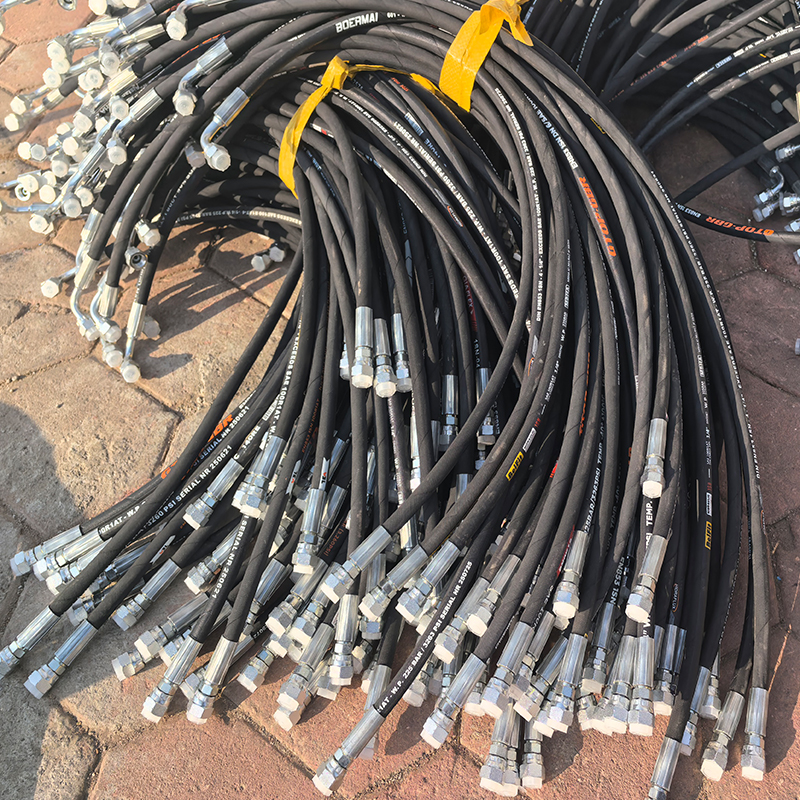 How to Create a Proactive Spiral Hydraulic Hose Replacement Plan That Prevents Downtime?
 Is Your Hydraulic System Overstressing? 5 Diagnostic Signs You Need to Upgrade to Spiral Hose
 Is Your Hydraulic System Pushing Limits? When to Specify Spiral Hose vs. Braided?
 Is Your Machinery Demanding More? Why Upgrade to a Spiral Hydraulic Hose?