
For many Americans who rely on vehicles for daily commutes or outdoor adventures, a sudden noise from the wheel hub can be both alarming and inconvenient. A noisy hub oil seal is a common issue that, if ignored, may lead to more severe mechanical problems. This guide breaks down the process of diagnosing and resolving the problem in simple terms, ensuring drivers can take action without unnecessary stress.
Understanding the Role of a Hub Oil Seal
Before troubleshooting, it’s essential to grasp why the hub oil seal matters. This small but critical component sits between the wheel hub assembly and the axle, preventing grease from leaking out and keeping dirt, water, and debris from entering. When the seal wears out or becomes damaged, it can cause unusual noises, reduced lubrication, and even hub failure. Recognizing the symptoms early is key to avoiding costly repairs.
Identifying the Noise: What Does a Faulty Seal Sound Like?
A noisy hub oil seal often produces distinct sounds that set it apart from other mechanical issues. Drivers might notice:
Grinding or whirring noises that worsen with speed, especially during turns.
Squealing or chirping when the vehicle is in motion, often linked to friction from a dry or contaminated seal.
Clicking or popping sounds during acceleration or deceleration, which may indicate a misaligned or cracked seal.
These noises typically originate from the wheel area and are more pronounced when the vehicle is loaded or navigating uneven terrain. If the sound changes with steering input, the issue is likely isolated to one side of the vehicle.
Visual Inspection: Checking for Leaks and Damage
A visual check is the first step in confirming a faulty seal. Park the vehicle on a level surface and engage the parking brake. With caution, inspect the area around the wheel hub for:
Grease stains on the inner brake rotor or suspension components.
Cracks or tears in the rubber seal material.
Corrosion or rust around the seal housing, which can compromise its fit.
If grease is visible on the brake caliper or wheel rim, it’s a clear sign the seal is no longer containing lubricant. Additionally, debris stuck in the seal can cause uneven wear, leading to noise and eventual failure.
Testing for Hub Play: Wobble and Vibration Issues
A loose hub assembly often accompanies a failing oil seal. To test this:
Lift the vehicle using a jack and secure it with jack stands.
Grasp the tire at the top and bottom, then attempt to rock it back and forth.
If excessive movement is detected, the hub bearings may be worn, putting extra strain on the seal.
Vibration felt through the steering wheel at highway speeds can also indicate a compromised seal, as misalignment or lack of lubrication creates instability.
Assessing Driving Conditions and Maintenance History
Environmental factors and driving habits play a significant role in seal longevity. Consider:
Frequent off-road driving or exposure to mud, snow, or saltwater, which accelerate seal degradation.
Delayed maintenance, such as skipping scheduled grease replacements or ignoring early warning signs.
Previous repairs, as improper installation of a new seal can lead to premature failure.
Vehicles used in harsh climates or for heavy towing are more susceptible to hub issues, requiring closer monitoring.
When to Seek Professional Help
While some drivers may feel comfortable replacing a hub oil seal themselves, certain scenarios warrant expert intervention:
Lack of tools or experience: Specialized equipment is often needed to remove and install hub components safely.
Persistent noise after replacement: This could indicate a deeper issue, such as a damaged axle or bearing race.
Safety concerns: If the hub assembly shows signs of catastrophic failure (e.g., extreme heat or smoke), immediate professional evaluation is critical.
A trusted mechanic can perform a thorough diagnosis, including checking for related problems like worn CV joints or brake components.
Preventative Measures to Extend Seal Life
Proactive care can significantly reduce the likelihood of future noise issues:
Regular inspections: Include the hub area during routine oil changes or tire rotations.
Cleanliness: Avoid high-pressure washing near the hub to prevent water intrusion.
Lubrication: Use manufacturer-recommended grease and follow reapplication intervals.
Avoid overloading: Excessive weight strains the hub assembly and accelerates seal wear.
By adopting these habits, drivers can minimize unexpected breakdowns and enjoy smoother, quieter rides.
Conclusion
A noisy hub oil seal is rarely a cause for panic, but it should never be ignored. By learning to recognize the symptoms, conducting basic inspections, and understanding when to seek help, Americans can keep their vehicles running reliably without breaking the bank. Regular maintenance and mindful driving remain the best defenses against hub-related headaches, ensuring safety and peace of mind on every journey.
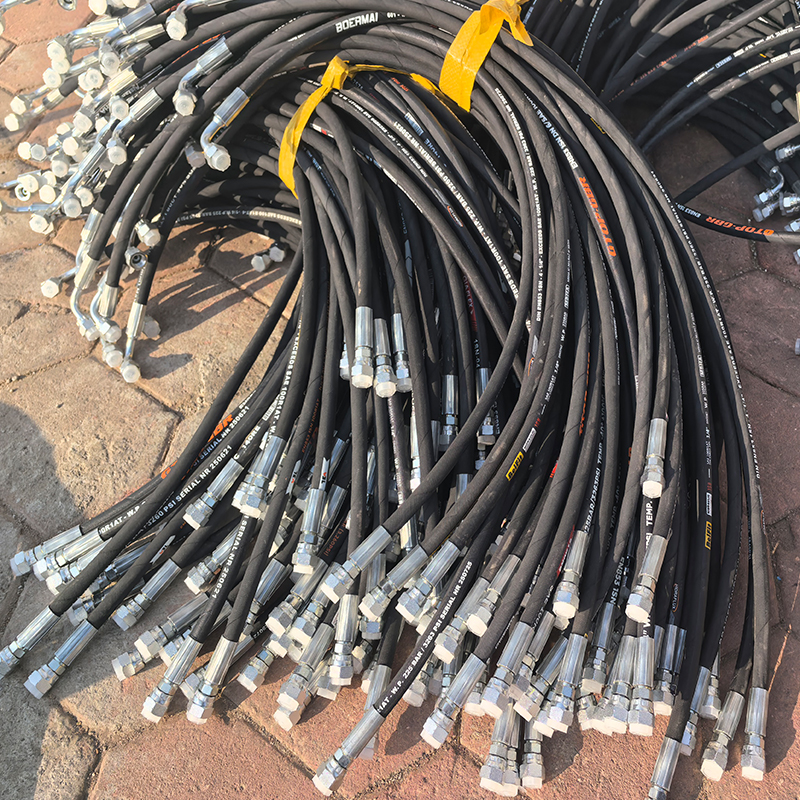 How to Create a Proactive Spiral Hydraulic Hose Replacement Plan That Prevents Downtime?
 Is Your Hydraulic System Overstressing? 5 Diagnostic Signs You Need to Upgrade to Spiral Hose
 Is Your Hydraulic System Pushing Limits? When to Specify Spiral Hose vs. Braided?
 Is Your Machinery Demanding More? Why Upgrade to a Spiral Hydraulic Hose?