
Introduction:
Briefly introduce flexible pipe couplings and their role in plumbing and piping systems.
Pose the question: Are these components designed for one-time use, or can they be safely reused?
State the article’s purpose: To explore the factors influencing reusability and provide practical guidance.
1. What Are Flexible Pipe Couplings?
Flexible pipe couplings are versatile connectors used to join pipes of varying materials, sizes, or angles. Unlike rigid couplings, they feature a rubberized sleeve or stainless-steel band encased in a reinforced housing, allowing for slight movement and misalignment. This flexibility makes them ideal for repairs, retrofits, or systems prone to vibration, such as HVAC units or wastewater lines. Their ease of installation—often requiring only a screwdriver or wrench—has made them a staple in both residential and commercial plumbing.

2. The Reusability Debate: Why It Matters
The question of reusability arises from cost-saving and sustainability goals. For homeowners or contractors facing minor leaks or pipe shifts, reusing a coupling could reduce expenses and waste. However, the risks of improper reuse—such as leaks, pipe damage, or system failures—underscore the need for caution. This section will explore the balance between economic benefits and safety concerns, emphasizing that reusability depends on multiple factors rather than being a universal yes or no.
3. Factors That Determine If a Coupling Can Be Reused
Material Integrity:
The durability of the coupling’s rubber sleeve and metal components is critical. Over time, exposure to chemicals, extreme temperatures, or UV light can degrade materials, making reuse unsafe. For example, a coupling used in a hot water line may weaken faster than one in a cold water system.
Installation History:
If a coupling was previously overtightened, it may have distorted the rubber sleeve or cracked the housing. Similarly, couplings removed due to pipe corrosion or damage might have sustained unseen stress, compromising their reliability.
Environmental Conditions:
Couplings installed outdoors or in humid environments are more prone to rust or microbial growth, which can erode seals. Those in dry, temperature-controlled settings may retain their integrity longer.
Manufacturer Guidelines:
Some manufacturers explicitly label couplings as “single-use” due to design specifications. Ignoring these recommendations voids warranties and increases liability risks.
4. Signs a Flexible Coupling Should Not Be Reused
Visible Wear and Tear:
Cracks, brittleness, or discoloration in the rubber sleeve indicate degradation. For metal bands, check for rust, dents, or loose screws.
Leakage After Previous Use:
If a coupling failed to seal properly in its initial installation, reusing it is unlikely to yield better results. Persistent leaks often stem from irreversible material compression or misalignment.
Incompatibility with Pipe Changes:
If pipes have been replaced or resized since the coupling’s last use, the original component may no longer fit securely. Forcing compatibility can lead to leaks or pipe bursts.
Age of the Coupling:
Even without obvious damage, couplings older than a decade may lack the flexibility required for modern systems. Refer to manufacturer lifespan estimates for guidance.
5. How to Safely Reuse a Flexible Pipe Coupling (If Approved)
Thorough Inspection:
Use a flashlight to examine the rubber sleeve for tears or flattening. Test the metal band’s tension by gently flexing it; it should snap back into shape without creaking.
Cleaning and Preparation:
Remove old sealant or debris from the coupling and pipe ends. Apply a fresh layer of plumber’s grease to the rubber sleeve to ensure a smooth fit.
Proper Installation Techniques:
Align pipes carefully to avoid stressing the coupling. Tighten screws or clamps gradually and evenly, following torque specifications if available. Use a torque wrench for precision in critical systems.
Post-Installation Testing:
Run water through the system at normal pressure and check for leaks. Monitor the coupling over several days, as some failures occur gradually under pressure cycles.
6. When to Replace Instead of Reuse
High-Stakes Applications:
In systems carrying hazardous materials, such as industrial chemicals or medical gases, even minor leaks pose significant risks. Always prioritize new couplings here.
Cost-Benefit Analysis:
If a reused coupling saves 20butrisks500 in water damage, replacement is the wiser choice. Factor in labor costs and potential downtime for repairs.
Peace of Mind:
For homeowners unfamiliar with plumbing systems, replacing couplings eliminates uncertainty. Many professionals recommend erring on the side of caution to avoid callbacks or insurance claims.
7. Expert Tips for Extending Coupling Lifespan
Regular Maintenance:
Inspect couplings annually for signs of wear, especially in hidden areas like crawl spaces or behind walls.
Avoid Chemical Exposure:
Use pipe coatings or liners to protect couplings from corrosive substances in wastewater or chemical lines.
Choose Quality Over Price:
While budget couplings may seem appealing, investing in durable materials upfront reduces long-term replacement costs.
Consult Professionals:
For complex systems or uncertain conditions, hire a licensed plumber to assess reusability and install replacements if needed.
Conclusion:
Flexible pipe couplings can sometimes be reused, but only under specific conditions. Prioritizing safety, adhering to manufacturer guidelines, and conducting thorough inspections are non-negotiable steps. When in doubt, replacement is often the safer, more cost-effective choice. By understanding the limits of these components, homeowners and contractors can maintain efficient, leak-free systems for years to come.
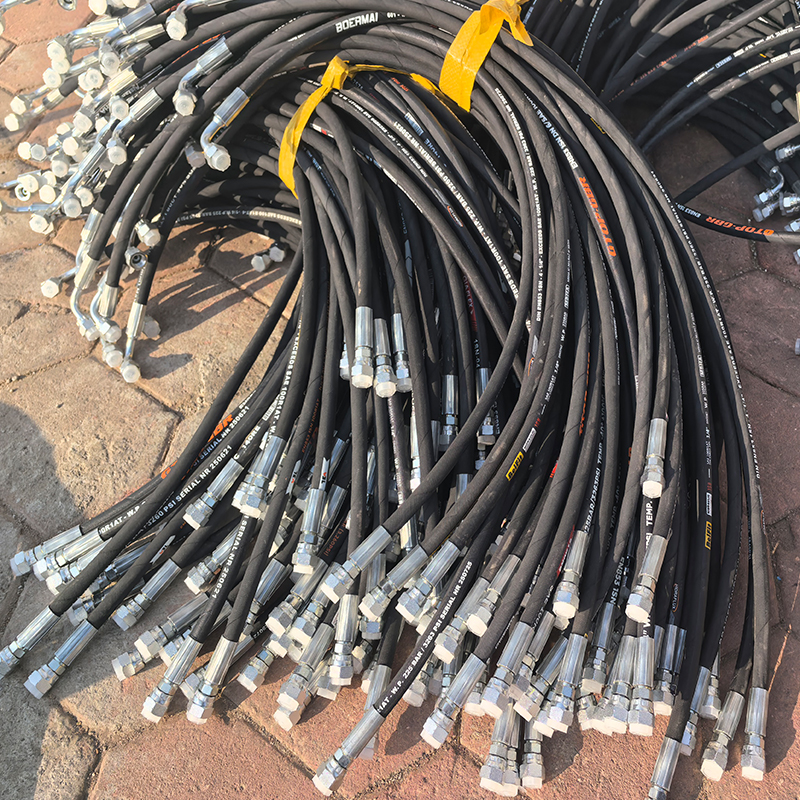 How to Create a Proactive Spiral Hydraulic Hose Replacement Plan That Prevents Downtime?
 Is Your Hydraulic System Overstressing? 5 Diagnostic Signs You Need to Upgrade to Spiral Hose
 Is Your Hydraulic System Pushing Limits? When to Specify Spiral Hose vs. Braided?
 Is Your Machinery Demanding More? Why Upgrade to a Spiral Hydraulic Hose?