
Flexible pipe couplings are essential components in plumbing and piping systems. These handy devices are designed to connect two pipes together, allowing for some degree of movement, misalignment, or vibration absorption. Whether it's in residential buildings, commercial complexes, or industrial facilities, flexible pipe couplings play a vital role in ensuring the smooth flow of liquids or gases through the pipes. They are made from durable materials such as rubber, stainless steel, or a combination of both, which gives them the flexibility and strength needed for different operating conditions.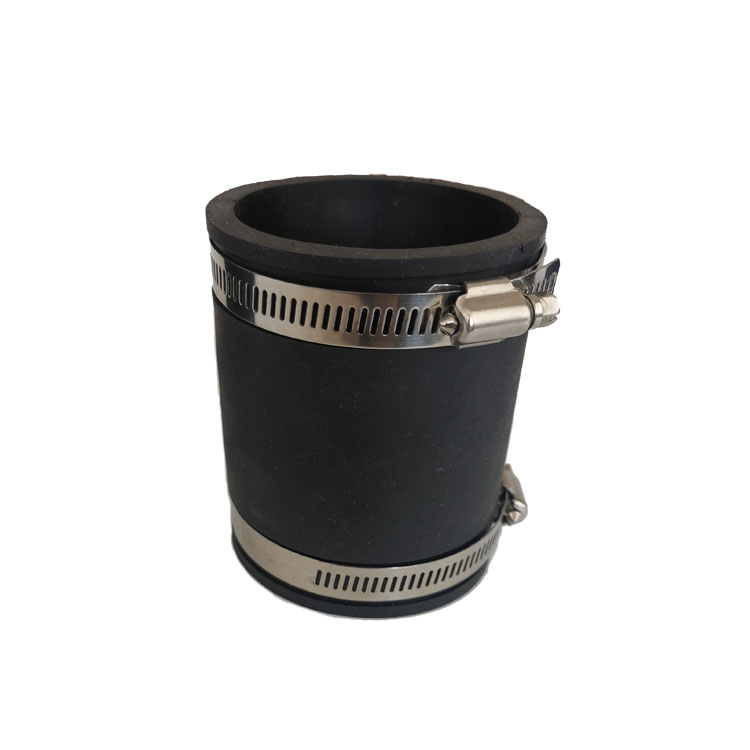
The Importance of Size Variety
Having a wide range of sizes for flexible pipe couplings is of utmost importance. Piping systems come in all shapes and sizes, depending on the application. A small - scale residential plumbing system will have different pipe diameters compared to a large - scale industrial piping network. If there were only a limited number of coupling sizes available, it would be extremely difficult to connect pipes of varying dimensions. This could lead to inefficient systems, leaks, or even the need for costly modifications. Therefore, a diverse selection of sizes allows for seamless integration of couplings into different piping setups.
Common Size Ranges in the Market
In the market, flexible pipe couplings are available in a broad spectrum of sizes. For small - scale applications like residential water supply lines, couplings with diameters as small as half an inch are commonly found. These are suitable for connecting thin pipes used in sinks, toilets, and showers. As we move towards larger residential or light commercial applications, sizes ranging from three - quarters of an inch to two inches are prevalent. These can handle a greater volume of water flow and are used for main water lines within buildings.
In industrial settings, the size requirements can be much larger. Couplings with diameters from four inches up to several feet are available. These are used in large - scale water treatment plants, oil refineries, and chemical factories, where huge volumes of liquids or gases need to be transported through extensive piping networks.
Factors Influencing Size Selection
Several factors come into play when selecting the right size of a flexible pipe coupling. The material of the pipes is one such factor. Different pipe materials have different wall thicknesses and tolerances. For example, plastic pipes may have different sizing standards compared to metal pipes. The pressure requirements of the system also matter. High - pressure systems will need couplings that can withstand the force without leaking. A larger diameter coupling may be required to distribute the pressure more evenly. Additionally, the flow rate of the liquid or gas is crucial. A high - flow rate system will need a coupling with a sufficient diameter to prevent bottlenecks and ensure smooth flow.
Custom - Made Sizes: When and Why
There are instances where standard - sized flexible pipe couplings may not meet the specific needs of a project. In unique industrial applications or in cases where the piping system has non - standard dimensions, custom - made couplings become necessary. For example, in some research facilities, specialized piping systems are designed to handle rare gases or liquids under very specific conditions. Standard couplings may not be able to fit these custom - designed pipes or may not be able to withstand the unique operating parameters. In such cases, manufacturers can create custom - sized couplings based on the exact requirements of the project, ensuring a perfect fit and optimal performance.
Size Compatibility and Installation Considerations
Ensuring size compatibility between the flexible pipe coupling and the pipes is crucial for a successful installation. Before purchasing a coupling, it's essential to accurately measure the diameter of the pipes to be connected. A mismatch in size can lead to leaks, reduced flow efficiency, or even damage to the coupling and pipes. During installation, proper alignment of the pipes and the coupling is also important. The coupling should be securely fastened to both pipes, following the manufacturer's instructions. Using the right tools and techniques during installation can prevent future problems and ensure the long - term reliability of the piping system.
Conclusion: Meeting Diverse Needs with Size Options
In conclusion, the availability of a wide range of sizes for flexible pipe couplings is a key factor in their versatility and usefulness. From small residential applications to large - scale industrial projects, there is a coupling size to suit every need. By considering factors such as pipe material, pressure requirements, and flow rate, and by being aware of the option of custom - made sizes, users can select the most appropriate coupling for their specific situation. Proper size compatibility and installation are also essential for ensuring the efficient and reliable operation of piping systems. With the right - sized flexible pipe coupling, any plumbing or piping challenge can be effectively addressed.
 How to Create a Proactive Spiral Hydraulic Hose Replacement Plan That Prevents Downtime?
 Is Your Hydraulic System Overstressing? 5 Diagnostic Signs You Need to Upgrade to Spiral Hose
 Is Your Hydraulic System Pushing Limits? When to Specify Spiral Hose vs. Braided?
 Is Your Machinery Demanding More? Why Upgrade to a Spiral Hydraulic Hose?