
The world of industrial piping systems is vast and complex, with solutions tailored to meet the demands of various environments—from high-pressure water lines to corrosive chemical transport. Among these, vacuum systems represent a unique challenge, requiring components that can maintain integrity under conditions where air pressure is intentionally reduced. Flexible pipe couplings, known for their adaptability and ease of installation, are widely used in standard piping setups. But can they hold up in vacuum applications? This question sparks curiosity among engineers and system designers who seek reliable, cost-effective solutions without compromising performance. Let’s explore the factors that determine whether flexible couplings are suitable for vacuum systems.
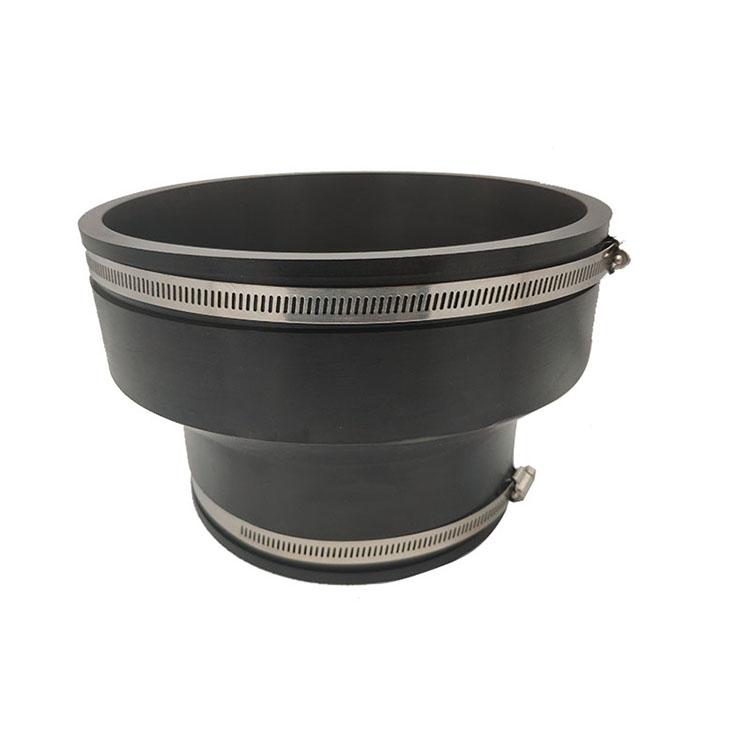
Understanding Vacuum Systems and Their Demands
Vacuum systems are designed to remove air and other gases from a sealed environment, creating a pressure differential that enables processes like material handling, filtration, or chemical reactions. These systems operate under conditions where even minor leaks or structural weaknesses can disrupt functionality. For example, a vacuum pump might rely on a tightly sealed network to maintain sub-atmospheric pressure, and any ingress of air could reduce efficiency or halt operations entirely.
The components used in vacuum systems must therefore withstand stressors such as:
Pressure differentials: The coupling must resist collapsing inward or leaking as external atmospheric pressure pushes against it.
Material compatibility: Some vacuum processes involve extreme temperatures or reactive gases, requiring couplings made from chemically resistant materials.
Vibration and movement: Flexible couplings are often chosen to absorb shocks or misalignment, but in a vacuum, these movements must not compromise the seal.
These demands raise critical questions about whether flexible couplings—typically associated with flexibility rather than rigid sealing—can meet the stringent requirements of vacuum environments.
The Role of Flexible Pipe Couplings in Standard Systems
Before evaluating their use in vacuums, it’s essential to understand why flexible couplings are popular in conventional piping. Unlike rigid couplings, which require precise alignment and welding, flexible versions accommodate thermal expansion, ground settling, or minor shifts in connected pipes. They simplify installation, reduce maintenance costs, and minimize the risk of cracks caused by stress.
Common materials for flexible couplings include stainless steel, rubber, or composite blends, each offering distinct advantages. For instance, stainless steel provides durability in high-temperature settings, while rubber excels at dampening vibrations. However, the very traits that make these couplings versatile—such as their ability to bend or compress—could become liabilities in a vacuum if not properly engineered.
Key Considerations for Vacuum Compatibility
For a flexible coupling to function in a vacuum, it must address three core challenges:
Sealing Integrity
In a vacuum, even microscopic gaps can allow air to infiltrate the system. Flexible couplings must incorporate robust sealing mechanisms, such as O-rings or gaskets, to prevent leaks. The design should ensure these seals remain effective under repeated flexing or pressure cycles.
Material Strength
The coupling must resist deformation due to external pressure. Thin-walled or overly pliable materials might collapse, while excessively rigid options could negate the benefits of flexibility. Engineers often opt for reinforced designs, such as corrugated stainless steel, which balances strength with adaptability.
Thermal and Chemical Resistance
Vacuum systems may involve extreme temperatures or exposure to aggressive substances. Couplings must maintain their structure and sealing properties whether exposed to cryogenic cold or scorching heat.
When Flexible Couplings Excel in Vacuum Applications
Flexible couplings are not universally incompatible with vacuum systems. In fact, they can outperform rigid alternatives in specific scenarios:
Dynamic Systems: If pipes experience vibration or movement due to equipment operation, flexible couplings absorb stress without cracking, preserving the vacuum seal.
Modular Designs: Systems requiring frequent disassembly or reconfiguration benefit from couplings that simplify installation and realignment.
Cost Efficiency: For low- to medium-vacuum applications (e.g., laboratory setups or HVAC systems), specially designed flexible couplings may offer a budget-friendly alternative to all-metal solutions.
For example, a research facility using a vacuum chamber for material testing might rely on flexible couplings to connect pumps and valves, ensuring longevity despite frequent adjustments.
Limitations and Risks to Avoid
Despite their advantages, flexible couplings have inherent limitations in vacuum environments:
High-Vacuum Challenges: In ultra-high vacuum systems (common in semiconductor manufacturing), even trace amounts of outgassing from rubber or plastic components can contaminate the process. Rigid metal couplings are often preferred here.
Pressure Ratings: Not all flexible couplings are rated for the deep vacuums required in industrial processes. Using an under-rated coupling risks catastrophic failure.
Maintenance Complexity: While flexible couplings reduce the need for perfect alignment, they may require more frequent inspection to ensure seals remain intact.
A cautionary tale involves a manufacturing plant that installed standard rubber couplings in a vacuum drying system. Over time, the rubber degraded under heat and pressure, leading to costly downtime and product contamination. This underscores the importance of selecting couplings explicitly designed for vacuum use.
Best Practices for Selecting Vacuum-Compatible Couplings
To avoid pitfalls, consider these guidelines when choosing flexible couplings for vacuum systems:
Consult Manufacturer Specifications
Look for couplings rated for vacuum applications, with clear documentation on maximum pressure differentials and temperature ranges.
Prioritize Material Quality
Opt for couplings made from vacuum-grade materials, such as stainless steel or specialized elastomers tested for low outgassing.
Test Under Real Conditions
If possible, conduct pilot tests to verify the coupling’s performance in your specific vacuum environment before full-scale implementation.
Partner with Experts
Collaborate with engineers or suppliers experienced in vacuum system design to identify the most reliable solution.
Conclusion: Flexibility Meets Functionality
The question of whether flexible pipe couplings can be used in vacuum systems doesn’t have a one-size-fits-all answer. While they are unsuitable for all vacuum scenarios, advancements in material science and engineering have produced couplings capable of thriving in demanding environments. By understanding the unique requirements of vacuum systems and selecting components designed to meet them, professionals can leverage the benefits of flexibility without sacrificing performance.
As industries continue to push the boundaries of vacuum technology, the evolution of coupling designs will play a crucial role in enabling safer, more efficient, and cost-effective systems. Whether you’re maintaining a laboratory setup or scaling an industrial operation, the key lies in matching the right tool to the task—and knowing when flexibility is a strength, not a liability.
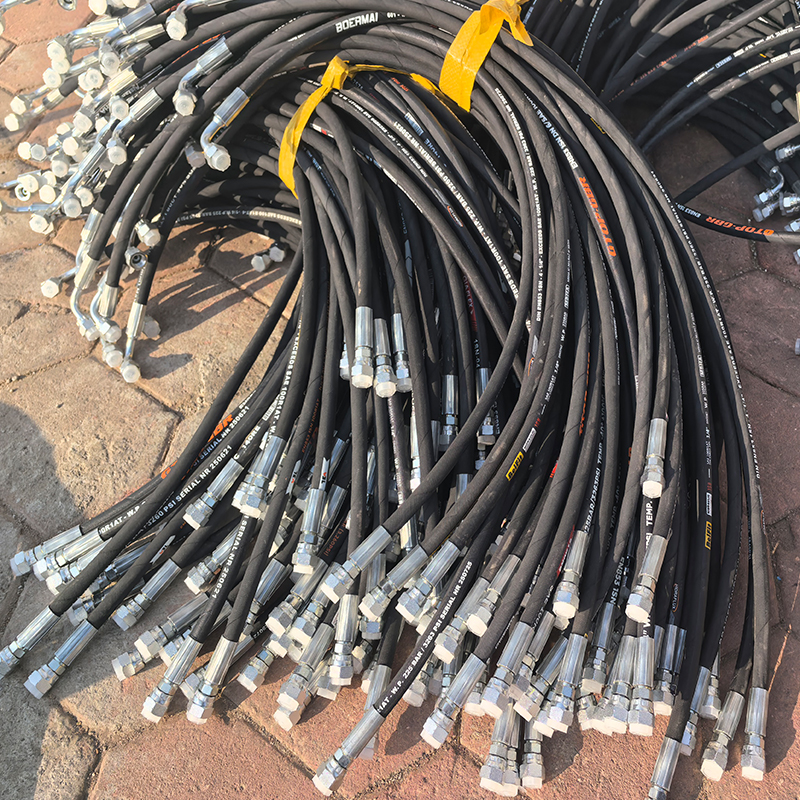 How to Create a Proactive Spiral Hydraulic Hose Replacement Plan That Prevents Downtime?
 Is Your Hydraulic System Overstressing? 5 Diagnostic Signs You Need to Upgrade to Spiral Hose
 Is Your Hydraulic System Pushing Limits? When to Specify Spiral Hose vs. Braided?
 Is Your Machinery Demanding More? Why Upgrade to a Spiral Hydraulic Hose?