
Flexible pipe couplings are unsung heroes in plumbing and infrastructure systems, quietly ensuring water, gas, or waste flows smoothly between pipes. These components compensate for movement, vibrations, and minor misalignments, making them indispensable in residential, commercial, and industrial settings. However, like all mechanical parts, they degrade over time. Recognizing the early warning signs of failure can prevent costly repairs, property damage, or even health hazards. This article explores the key indicators of a compromised flexible pipe coupling and why timely intervention matters.

Unusual Noises During Operation
One of the first red flags is the emergence of strange sounds. A healthy coupling operates silently, but a failing one may produce clanking, rattling, or hissing noises. These sounds often stem from loose fittings, worn-out rubber gaskets, or metal fatigue. For instance, if a coupling connects pipes in a wall, a persistent rattle might indicate it’s struggling to absorb vibrations from appliances like washing machines or HVAC systems. Similarly, hissing could signal a gas leak, which demands immediate attention to avoid fire risks. Homeowners should investigate any unfamiliar noises, even if they seem minor, as they often precede more severe issues.
Visible Leaks or Moisture Accumulation
Leaks are the most obvious symptom of a failing coupling. Water pooling around pipe joints, damp drywall, or mold growth are all urgent signals. In gas lines, a faint odor of rotten eggs (added to natural gas for detection) or condensation on pipes could indicate a leak. Even small drips waste resources and create slip hazards, while larger leaks may erode foundations or damage electronics. Regularly inspecting couplings in basements, crawl spaces, or utility rooms can catch leaks early. If moisture appears despite no recent rain or plumbing use, the coupling is likely the culprit.
Corrosion or Rust on Metal Components
Flexible couplings with metal parts, such as stainless steel clamps or brass fittings, are prone to corrosion in humid or chemically aggressive environments. Rust weakens structural integrity, causing cracks or brittleness. For example, a coupling near a water heater might corrode faster due to heat and mineral deposits. Corrosion often appears as orange-brown stains, flaking metal, or green patina on copper components. While some surface rust is normal, extensive deterioration warrants replacement. Using dielectric unions or corrosion-resistant materials in high-risk areas can extend lifespan.
Difficulty in Maintaining Proper Alignment
Flexible couplings are designed to accommodate slight shifts in pipe positioning. If pipes appear misaligned despite the coupling’s presence, it may have lost its flexibility. This can happen when rubber elements harden from age or extreme temperatures, or when metal bands over-tighten and deform. Misalignment stresses the entire plumbing system, leading to additional leaks or bursts. During routine maintenance, check if pipes connected by the coupling remain straight and secure. If adjustments are needed but the coupling resists, it’s time for a replacement.
Age and Frequency of Repairs
Even without visible damage, age is a critical factor. Most couplings last 10–15 years, depending on usage and material quality. If a system requires frequent repairs—such as tightening clamps or patching leaks—the coupling is likely nearing the end of its service life. Repeated fixes are often more expensive than a proactive replacement. Keeping a maintenance log helps track the coupling’s age and performance trends, enabling data-driven decisions.
Foul Odors or Poor Drainage in Sewer Lines
In wastewater systems, a failing coupling can disrupt drainage or emit sewer gases. Slow drains, gurgling sounds, or a persistent rotten-egg smell suggest a breach in the coupling’s seal. Sewer leaks pose health risks by releasing methane and bacteria, so addressing them promptly is essential. If multiple drains act up simultaneously, the issue might lie in a shared coupling or main line. Professional inspection with cameras can pinpoint the exact location of the failure.
Why Ignoring These Signs Is Risky
Procrastination amplifies problems. A small leak can escalate into a burst pipe, flooding a home and destroying belongings. Gas leaks, even minor ones, create explosion hazards. Corroded couplings in industrial settings might lead to hazardous material spills, endangering workers and the environment. Beyond safety, delays increase repair costs. For example, replacing a
50couplingearlymightavoid
5,000 in water damage restoration.
Conclusion
Flexible pipe couplings are vital yet often overlooked components. By staying vigilant for unusual noises, leaks, corrosion, misalignment, age-related wear, or drainage issues, property owners can act before catastrophic failures occur. Regular inspections, especially in high-stress areas, combined with prompt replacements, ensure plumbing systems remain efficient and safe. When in doubt, consult a licensed plumber to assess the situation—a small investment in expertise can save thousands in the long run.
Proactive maintenance isn’t just about preserving infrastructure; it’s about protecting peace of mind. After all, a well-functioning plumbing system is one less worry in an already complex world.
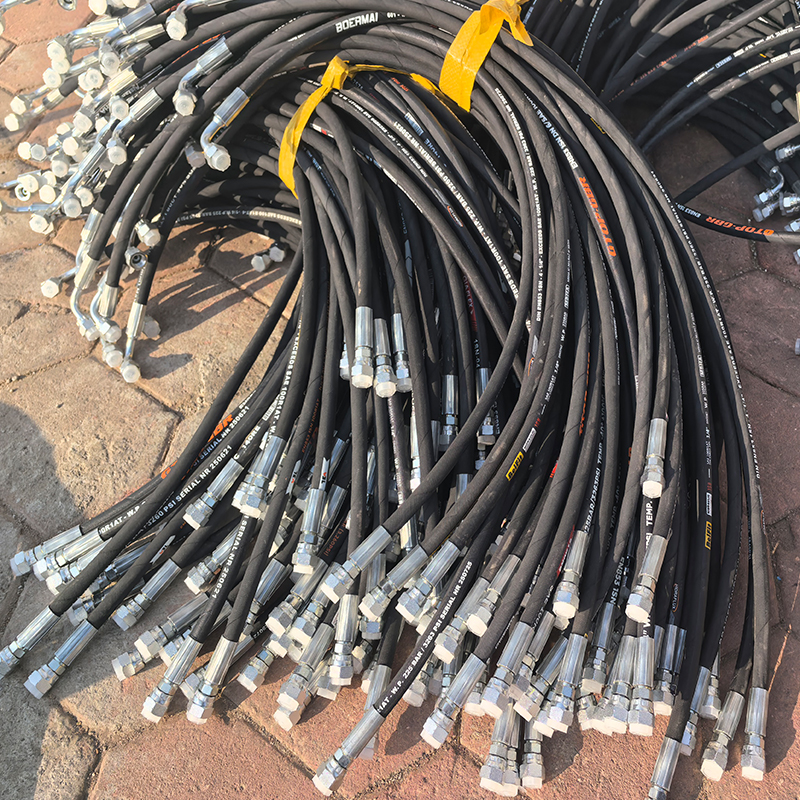 How to Create a Proactive Spiral Hydraulic Hose Replacement Plan That Prevents Downtime?
 Is Your Hydraulic System Overstressing? 5 Diagnostic Signs You Need to Upgrade to Spiral Hose
 Is Your Hydraulic System Pushing Limits? When to Specify Spiral Hose vs. Braided?
 Is Your Machinery Demanding More? Why Upgrade to a Spiral Hydraulic Hose?