
Rubber waterstops are critical components in construction, designed to prevent water infiltration in concrete joints. These flexible barriers accommodate structural movements caused by temperature changes, seismic activity, or settling, ensuring long-term waterproofing. Their applications span dams, tunnels, basements, and bridges, where water resistance directly impacts structural integrity. The ability to customize these components becomes essential to meet the unique demands of different projects, from small residential builds to large-scale infrastructure.
Customization Options for Diverse Project Needs
 Customization of rubber waterstops is not only possible but often necessary. Manufacturers offer tailored solutions based on joint dimensions, movement capacity, and environmental conditions. For instance, waterstops can be designed with varying widths (e.g., 200–600 mm) and thicknesses (4–15 mm) to fit specific joint configurations. Shapes like dumbbell, center bulb, or steel-edged profiles address different stress distributions, while expansion strips with hydrophilic properties swell upon water contact for enhanced sealing. Such flexibility ensures compatibility with dynamic structures and reduces the risk of leaks.
Material Selection and Performance Considerations
The choice of rubber material significantly impacts durability and functionality. Common options include natural rubber, EPDM, neoprene, and SBR (styrene-butadiene rubber). For example:
EPDM excels in UV resistance and temperature extremes (-45°C to 100°C).
Neoprene is ideal for chemical resistance, suitable for sewage or industrial environments.
Hydrophilic rubber expands upon water exposure, filling gaps in joints for superior sealing.
Material selection must align with project-specific factors like pH levels, salinity, or exposure to oils. Custom formulations can also incorporate additives for fire resistance or anti-aging properties.
Adapting to Structural and Environmental Challenges
Custom waterstops address unique structural challenges. For example:
Steel-reinforced edges enhance tensile strength in high-pressure environments like dams.
Bentonite-infused strips provide dual protection by swelling and forming a gel-like barrier.
Pre-molded corners and T-joints simplify installation in complex geometries like tunnel intersections.
Environmental adaptability is equally critical. In cold climates, materials like nitrile rubber prevent brittleness, while corrosion-resistant blends protect coastal structures from saltwater degradation.
Ensuring Quality and Compliance in Custom Designs
Quality assurance begins with rigorous testing. Custom waterstops undergo evaluations for tensile strength, elongation, and compression set to meet international standards like ISO 9001. Third-party inspections and certifications ensure compliance with safety and environmental regulations. Manufacturers often provide samples for client approval, with production processes monitored through documentation and real-time updates. This transparency builds trust and guarantees that final products align with project specifications.
Long-Term Benefits of Tailored Solutions
Investing in customized rubber waterstops yields lasting advantages:
Reduced maintenance costs: Precision-fit components minimize joint failures and repair needs.
Extended lifespan: Materials engineered for specific conditions outperform generic alternatives.
Sustainability: Durable designs reduce waste and resource consumption over time.
Case studies in dam construction and underground transit systems highlight how tailored waterstops withstand decades of use without compromising performance.
Conclusion
Customization transforms rubber waterstops from generic components into precision-engineered solutions. By aligning material properties, dimensions, and structural requirements, these adaptations ensure reliable waterproofing across diverse applications. As construction projects grow more complex, the ability to tailor waterstops becomes not just an option but a necessity for safeguarding infrastructure against water damage and environmental stressors.
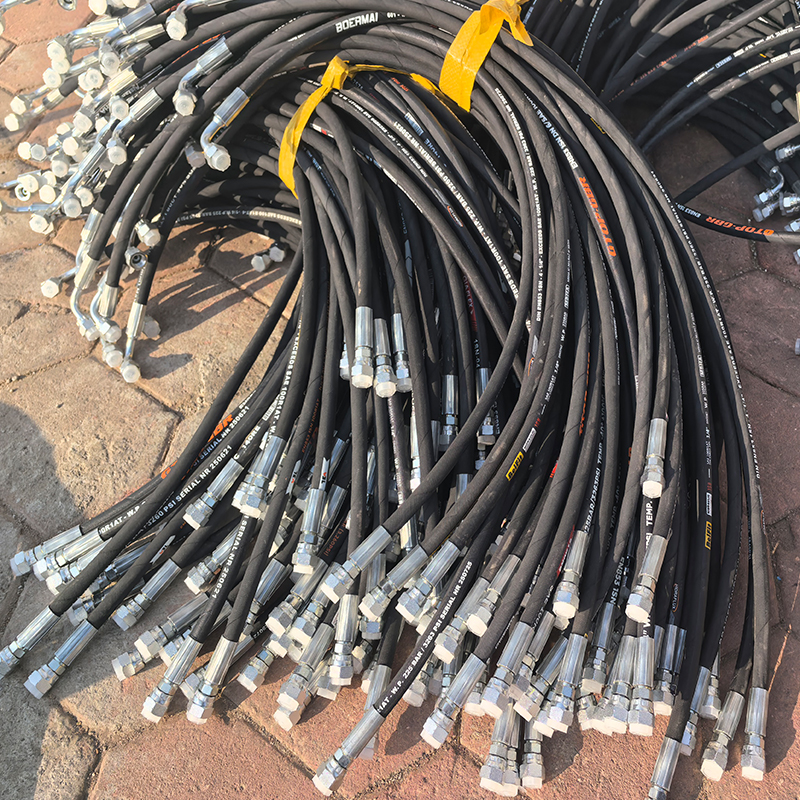 How to Create a Proactive Spiral Hydraulic Hose Replacement Plan That Prevents Downtime?
 Is Your Hydraulic System Overstressing? 5 Diagnostic Signs You Need to Upgrade to Spiral Hose
 Is Your Hydraulic System Pushing Limits? When to Specify Spiral Hose vs. Braided?
 Is Your Machinery Demanding More? Why Upgrade to a Spiral Hydraulic Hose?