
Reservoirs are critical infrastructure projects that store vast amounts of water for agricultural, industrial, and municipal use. Ensuring their structural integrity is paramount to prevent leaks, seepage, or catastrophic failures. One key component in reservoir construction is the waterstop—a material designed to seal joints and prevent water migration between concrete sections. Among the various types of waterstops available, rubber-based options are frequently considered. But can rubber waterstops truly meet the demands of reservoir environments? This article explores their feasibility, advantages, limitations, and best practices for implementation.
Understanding the Role of Waterstops in Reservoirs
Before diving into rubber waterstops specifically, it’s essential to grasp why waterstops are indispensable in reservoir construction. Reservoirs are typically built using concrete, which, despite its durability, is prone to cracking due to shrinkage, thermal expansion, or seismic activity. These cracks can create pathways for water to escape, compromising the reservoir’s efficiency and safety.
Waterstops are embedded within concrete joints to act as barriers, halting water flow through gaps. They come in various materials, including PVC, metal, and rubber, each with unique properties suited to different applications. The choice of waterstop depends on factors like water pressure, chemical exposure, and long-term durability requirements.
Advantages of Rubber Waterstops in Reservoir Projects
Rubber waterstops have gained popularity in hydraulic engineering for several compelling reasons:
Flexibility and Adaptability: Rubber is inherently flexible, allowing it to accommodate minor movements or settlements in concrete without compromising its seal. This elasticity is crucial in reservoirs, where temperature fluctuations and hydrostatic pressure can cause structural shifts.
Resistance to Chemicals and Environmental Stressors: Many rubber compounds are engineered to resist degradation from water, chemicals, and UV exposure. This makes them suitable for reservoirs that may store treated water, agricultural runoff, or even industrial byproducts.
Ease of Installation: Rubber waterstops are typically lightweight and easy to manipulate, simplifying the installation process. They can be joined using adhesive tapes or vulcanization, ensuring a continuous seal even in complex joint configurations.
Cost-Effectiveness: Compared to metal alternatives, rubber waterstops are often more affordable upfront and require less maintenance over time. Their longevity in moderate conditions can reduce long-term lifecycle costs.
Challenges and Limitations of Rubber Waterstops
Despite their benefits, rubber waterstops aren’t a one-size-fits-all solution. Several factors must be weighed before their use in reservoirs:
Temperature Sensitivity: Extreme heat or cold can affect rubber’s physical properties. In regions with significant temperature swings, rubber may harden, crack, or lose elasticity, reducing its effectiveness as a seal.
Hydrostatic Pressure Limits: While rubber waterstops perform well under moderate pressure, very high-pressure environments—such as deep reservoirs or dams—may exceed their load-bearing capacity. In such cases, metal or hybrid waterstops might be preferable.
Compatibility with Concrete Additives: Some concrete mixtures include chemicals or admixtures that could react with rubber, causing premature aging or adhesion failure. Engineers must verify compatibility during the design phase.
Aging and Degradation: Over decades, rubber can degrade due to oxidation, microbial activity, or mechanical wear. Regular inspections are essential to detect and replace deteriorated sections before leaks occur.
Key Considerations for Selecting Rubber Waterstops
To maximize the performance of rubber waterstops in reservoirs, stakeholders should evaluate the following:
Material Composition: Not all rubbers are created equal. Options like EPDM (ethylene propylene diene monomer) or neoprene offer superior resistance to ozone, weathering, and chemicals compared to natural rubber. The choice should align with the reservoir’s specific environmental conditions.
Joint Design: The type of joint (e.g., contraction, construction, or movement joints) influences waterstop selection. For instance, a “dumbbell” or “centerbulb” rubber waterstop is ideal for contraction joints, while a “ribbed” design might better suit movement joints.
Installation Quality: Even the highest-quality rubber waterstop will fail if improperly installed. Contractors must follow manufacturer guidelines for spacing, anchoring, and joint sealing to avoid voids or misalignments.
Maintenance Protocols: Establishing a proactive maintenance schedule—including visual inspections, pressure testing, and repairs—can extend the lifespan of rubber waterstops and prevent costly failures.
Real-World Applications and Case Studies
Several successful reservoir projects highlight rubber waterstops’ viability. For example, a municipal reservoir in the southwestern United States utilized EPDM rubber waterstops to seal joints in its 50-foot-tall concrete walls. Despite enduring scorching summers and freezing winters, the reservoir has remained leak-free for over two decades, attributed to the waterstop’s durability and the installation team’s meticulousness.
In contrast, a smaller agricultural reservoir in a humid climate experienced premature sealing issues due to incompatible rubber compounds reacting with fertilizer-laden runoff. This underscores the importance of matching material selection to the reservoir’s intended use and environmental conditions.
Expert Recommendations for Optimal Performance
Industry experts recommend the following practices to enhance rubber waterstop reliability in reservoirs:
Conduct Site-Specific Testing: Before full-scale adoption, test rubber samples in simulated reservoir conditions (e.g., exposure to treated water, UV radiation, or freeze-thaw cycles) to predict long-term performance.
Prioritize Quality Assurance: Purchase waterstops from reputable suppliers with third-party certifications (e.g., ASTM International standards) to ensure material consistency.
Integrate Redundancy: In high-risk reservoirs, consider using rubber waterstops in conjunction with secondary sealing systems, such as bentonite clay or chemical grouts, as an added safeguard.
Train Installation Crews: Provide hands-on training for workers to master techniques like proper welding, overlapping, and anchoring of rubber waterstops.
The Future of Rubber Waterstops in Reservoir Engineering
As reservoirs face increasing demands—from climate change-induced droughts to population growth—the need for robust, low-maintenance sealing solutions will rise. Rubber waterstops are poised to evolve through advancements like:
Smart Materials: Integration of sensors within rubber waterstops to monitor stress, moisture, or degradation in real time.
Bio-Based Rubbers: Development of eco-friendly rubber compounds derived from renewable resources, reducing the carbon footprint of reservoir construction.
Hybrid Systems: Combining rubber with other materials (e.g., thermoplastics or metals) to create waterstops with enhanced strength and flexibility.
Conclusion: Weighing the Pros and Cons
So, can rubber waterstops be used in reservoirs? The answer is a qualified “yes”—provided their limitations are acknowledged and mitigated. For moderate-pressure reservoirs in stable climates, rubber offers a cost-effective, durable, and versatile sealing solution. However, in high-stress environments or regions with extreme weather, engineers may need to explore alternatives or supplement rubber with complementary technologies.
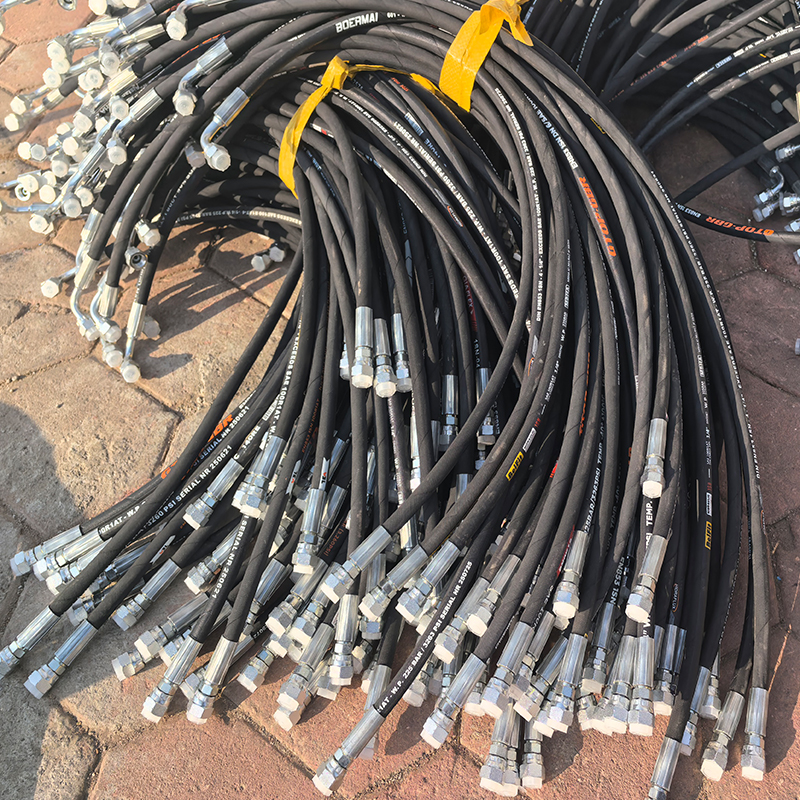 How to Create a Proactive Spiral Hydraulic Hose Replacement Plan That Prevents Downtime?
 Is Your Hydraulic System Overstressing? 5 Diagnostic Signs You Need to Upgrade to Spiral Hose
 Is Your Hydraulic System Pushing Limits? When to Specify Spiral Hose vs. Braided?
 Is Your Machinery Demanding More? Why Upgrade to a Spiral Hydraulic Hose?