
In construction projects involving concrete structures, rubber waterstops play a critical role in preventing water ingress at joints and seams. These flexible barriers are designed to expand and contract with the concrete, ensuring long-term watertightness. However, misalignment of rubber waterstops during installation can compromise their effectiveness, leading to leaks, structural damage, and costly repairs. This article explores the causes of misalignment, practical solutions for fixing it, and preventive measures to avoid future issues. By understanding these strategies, contractors and construction teams can ensure the durability and integrity of their projects.
Understanding the Causes of Rubber Waterstop Misalignment
Before addressing misalignment, it’s essential to identify its root causes. Common factors include:
Improper Installation Techniques: Rushed or incorrect placement during concrete pouring can shift the waterstop out of position.
Inadequate Fixing Methods: Failure to secure the waterstop properly (e.g., using insufficient fasteners or incorrect spacing) may cause it to move.
Poor Concrete Consolidation: Vibrations during concrete pouring can dislodge the waterstop if the surrounding material isn’t compacted evenly.
Design Flaws: Sharp bends, tight corners, or overlapping sections in the waterstop’s path can create weak points prone to misalignment.
Environmental Factors: Temperature fluctuations or exposure to UV rays before installation may warp the material, making it harder to align.
By pinpointing these issues early, teams can adopt targeted corrections and prevent recurrence.
Assessing the Extent of Misalignment
Not all misalignments are equal—some may require minor adjustments, while others demand partial replacement. Here’s how to evaluate the problem:
Visual Inspection: Check for visible gaps, twists, or uneven spacing between the waterstop and concrete surfaces.
Gap Measurement: Use a feeler gauge or ruler to quantify deviations. A misalignment exceeding ¼ inch (6 mm) often signals a need for intervention.
Leak Testing: If the structure is already in use, conduct pressure tests or spray tests to identify active leaks linked to misalignment.
Structural Impact: Assess whether the misalignment risks compromising the concrete’s load-bearing capacity or longevity.
Documenting findings with photos and measurements helps prioritize repairs.
Step-by-Step Solutions for Fixing Misalignment
Once the issue is diagnosed, follow these strategies to restore functionality:
1. Adjusting the Waterstop in Fresh Concrete
If the misalignment is detected during pouring and the concrete is still workable:
Reposition the Waterstop: Gently lift or shift the waterstop back into place using non-abrasive tools (e.g., wooden dowels). Avoid puncturing or tearing the material.
Re-Secure It: Add temporary clamps, ties, or adhesive strips to hold the waterstop steady while the concrete sets.
Re-Vibrate the Area: Use a low-intensity vibrator to ensure the concrete consolidates around the adjusted waterstop without causing further displacement.
2. Repairing Minor Misalignments in Hardened Concrete
For small gaps (less than ¼ inch) in cured concrete:
Seal with Approved Compounds: Apply a flexible, waterproof sealant (e.g., polyurethane or silicone-based) to bridge the gap. Ensure compatibility with the waterstop material.
Reinforce with Backer Rods: Insert a compressible foam rod into deeper gaps before sealing to improve adhesion and prevent three-sided bonding.
Smooth the Surface: Use a putty knife to feather the sealant for a uniform finish, minimizing water-trapping crevices.
3. Addressing Severe Misalignments
When misalignment is extensive or causes leaks:
Excavate and Replace: Cut out the affected concrete section, remove the misaligned waterstop, and install a new one. Use formwork to recreate the joint accurately.
Install Anchoring Systems: For high-risk areas (e.g., basements, tunnels), add mechanical fasteners or adhesive anchors to lock the waterstop in place permanently.
Test Repairs: After curing, perform hydrostatic or air pressure tests to confirm the fix eliminates leaks.
Preventive Measures to Avoid Future Misalignment
Proactive steps can minimize the risk of misalignment:
Train Installers: Ensure teams understand proper handling, securing, and embedding techniques for waterstops.
Use Quality Materials: Source durable, weather-resistant waterstops designed for the project’s environmental conditions.
Optimize Formwork Design: Create smooth, gradual bends in formwork to reduce stress on the waterstop during installation.
Schedule Inspections: Conduct regular checks during concrete placement to catch and correct misalignments early.
Document Best Practices: Maintain installation guidelines and photos of correct techniques for future reference.
When to Consult a Professional
In complex scenarios, DIY fixes may not suffice. Seek expert help if:
The misalignment affects structural joints under significant hydraulic pressure.
Repairs fail to stop persistent leaks after multiple attempts.
The project involves critical infrastructure (e.g., dams, nuclear facilities) where safety margins are minimal.
Engineers or specialized contractors can deploy advanced methods like epoxy injection, external waterproofing membranes, or cathodic protection to salvage the situation.
Conclusion
Rubber waterstop misalignment is a preventable yet serious issue in concrete construction. By understanding its causes, assessing severity accurately, and applying targeted solutions—whether through adjustments, repairs, or replacements—teams can restore watertightness and protect their projects. Pairing these fixes with proactive planning, quality materials, and skilled labor further reduces risks. Ultimately, addressing misalignment promptly safeguards both the structure’s integrity and the reputation of those who built it.
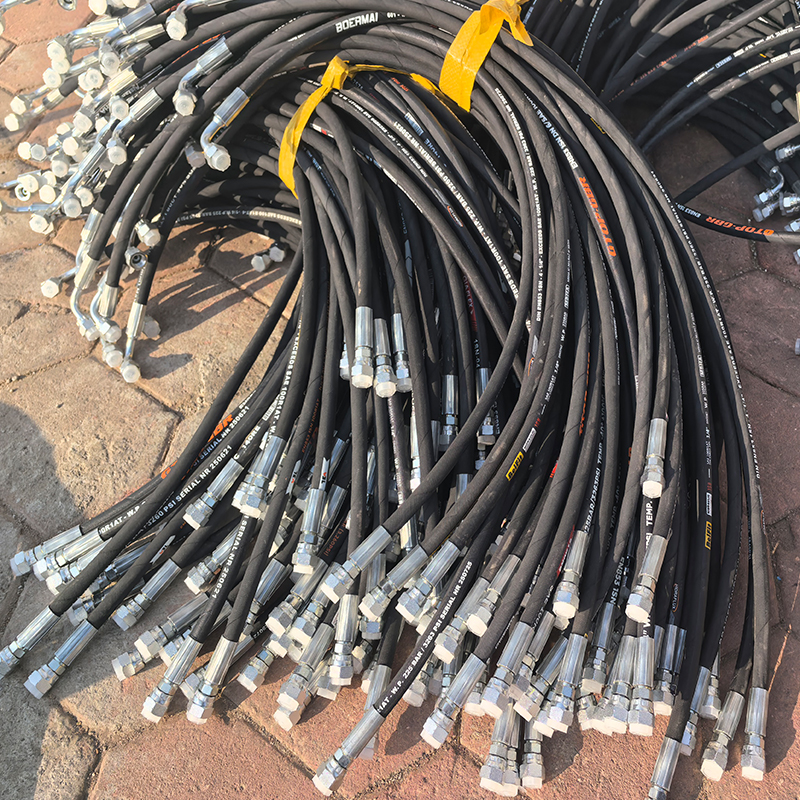 How to Create a Proactive Spiral Hydraulic Hose Replacement Plan That Prevents Downtime?
 Is Your Hydraulic System Overstressing? 5 Diagnostic Signs You Need to Upgrade to Spiral Hose
 Is Your Hydraulic System Pushing Limits? When to Specify Spiral Hose vs. Braided?
 Is Your Machinery Demanding More? Why Upgrade to a Spiral Hydraulic Hose?