
Rubber waterstops are essential components in construction, particularly in structures requiring waterproofing, such as basements, tunnels, and dams. These flexible strips, typically installed in concrete joints, prevent water infiltration by sealing gaps. However, one common issue that can compromise their effectiveness is blistering—a phenomenon where air bubbles or voids form beneath the waterstop’s surface, often during installation or curing. Blistering weakens the bond between the waterstop and concrete, leading to potential leaks and structural vulnerabilities. This article explores practical strategies to prevent rubber waterstop blistering, ensuring long-term durability and reliability.
Understand the Causes of Blistering
To effectively prevent blistering, it’s crucial to understand its root causes. Blistering typically occurs due to:
Improper Surface Preparation: Residue like oil, dust, or moisture on the concrete surface can prevent proper adhesion, trapping air underneath the waterstop.
Inadequate Fixing Methods: Using incorrect adhesives, nails, or staples may create gaps where air or moisture accumulates.
Temperature Fluctuations: Extreme heat or cold during installation can cause the rubber or adhesive to expand or contract unevenly, leading to blisters.
Poor Curing Practices: Rapid drying of concrete or uneven curing can create pressure differentials, forcing air or water into voids beneath the waterstop.
By addressing these factors proactively, contractors and engineers can significantly reduce the risk of blistering.
Prioritize Thorough Surface Preparation
The foundation of a blister-free installation lies in meticulous surface preparation. Here’s how to ensure optimal conditions:
Clean the Surface: Remove all debris, laitance (a weak layer of cement and water on fresh concrete), and contaminants using wire brushes, grinders, or high-pressure water jets.
Dry the Area: Moisture is a primary culprit in blistering. Use dehumidifiers or heaters in enclosed spaces to lower humidity levels. For outdoor projects, schedule installations during dry weather.
Check for Smoothness: Rough or uneven surfaces can trap air. Sand down high spots and fill low areas with non-shrink grout to create a uniform base.
A pristine surface ensures the waterstop adheres securely, minimizing opportunities for blisters to form.
Choose the Right Fixing Methods
The way a waterstop is secured to concrete directly impacts its performance. Avoid methods that compromise adhesion:
Adhesive Selection: Opt for high-quality, rubber-compatible adhesives designed for waterstop applications. Follow the manufacturer’s instructions for application, including drying times and temperature ranges.
Mechanical Fasteners: If nails or staples are necessary, use corrosion-resistant options and space them evenly to avoid creating pressure points. Seal fastener heads with adhesive to prevent water ingress.
Avoid Over-Stretching: Stretching the waterstop during installation can thin the material and weaken joints, increasing blister susceptibility. Install it taut but not overly strained.
By prioritizing secure yet gentle fixing techniques, the waterstop maintains its integrity and bond with the concrete.
Control Environmental Conditions
Environmental factors play a significant role in blistering. Mitigate their impact with these strategies:
Temperature Management: Install waterstops when ambient temperatures are moderate (ideally between 50°F and 85°F or 10°C and 30°C). In hot climates, shade the work area or schedule installations during cooler hours.
Wind Protection: Wind can accelerate drying of adhesives or concrete, leading to uneven curing. Use windbreaks or temporary enclosures to stabilize conditions.
Humidity Control: High humidity slows adhesive curing, while low humidity causes rapid drying. Use misting systems in arid environments or dehumidifiers in humid ones to maintain balance.
Stable environmental conditions reduce stress on the waterstop and adhesive, promoting even curing.
Optimize Concrete Pouring and Curing Practices
The interaction between the waterstop and surrounding concrete is critical. Follow these best practices:
Consolidate Concrete Properly: Use vibrators to eliminate air pockets around the waterstop without displacing it. Over-vibration can cause the waterstop to shift, while under-vibration leaves voids.
Cure Concrete Gradually: Rapid curing creates pressure differentials that push air or water toward the waterstop. Use curing blankets, sprinklers, or liquid curing compounds to maintain moisture levels.
Monitor Joint Movement: Expansion or contraction joints must accommodate thermal movement. Install waterstops with pre-formed bends or use compressible fillers to prevent stress-induced blistering.
By treating the waterstop as part of a larger concrete system, contractors ensure seamless integration and performance.
Inspect and Maintain Waterstops Post-Installation
Even with preventive measures, regular inspections can catch early signs of blistering or damage:
Visual Checks: Look for bulges, discoloration, or separation from the concrete. Address issues immediately by injecting sealants or replacing affected sections.
Pressure Testing: For critical structures, conduct hydrostatic tests to simulate water pressure and identify leaks.
Documentation: Keep records of installation dates, materials used, and inspection findings to track long-term performance.
Proactive maintenance extends the waterstop’s lifespan and prevents minor issues from escalating.
Train Crews on Best Practices
Human error is a leading cause of installation failures. Invest in training to:
Educate on Standards: Familiarize teams with industry guidelines like ASTM or ACI standards for waterstop installation.
Demonstrate Techniques: Use hands-on workshops to practice surface preparation, adhesive application, and fixing methods.
Promote Accountability: Assign supervisors to oversee installations and enforce quality control checks.
Well-trained crews are less likely to make mistakes that lead to blistering.
Conclusion
Preventing rubber waterstop blistering requires a holistic approach, from surface preparation to post-installation care. By understanding the causes, controlling environmental factors, and adhering to best practices, construction professionals can ensure waterstops perform as intended. Regular inspections and crew training further safeguard against failures, protecting structures from costly water damage. In an industry where reliability is non-negotiable, these strategies are indispensable for delivering durable, leak-proof constructions.
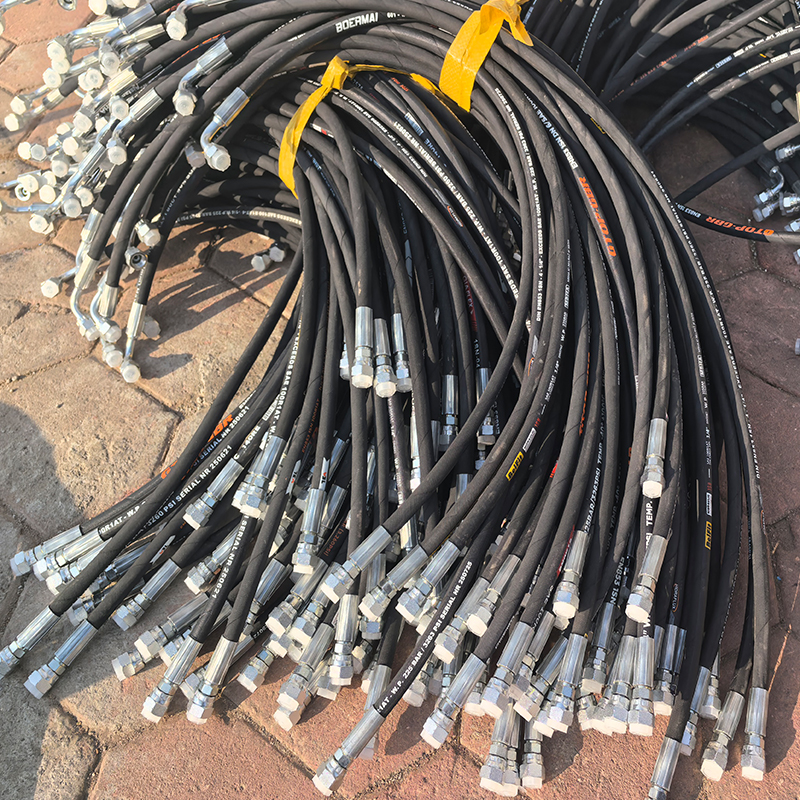 How to Create a Proactive Spiral Hydraulic Hose Replacement Plan That Prevents Downtime?
 Is Your Hydraulic System Overstressing? 5 Diagnostic Signs You Need to Upgrade to Spiral Hose
 Is Your Hydraulic System Pushing Limits? When to Specify Spiral Hose vs. Braided?
 Is Your Machinery Demanding More? Why Upgrade to a Spiral Hydraulic Hose?