
When constructing water-retaining structures like basements, tunnels, or swimming pools, preventing water infiltration is critical. Rubber waterstops, flexible strips designed to seal joints in concrete, are a cornerstone of waterproofing strategies. However, their effectiveness hinges on proper bonding to concrete surfaces. This guide explores the step-by-step process of adhering rubber waterstops to concrete, ensuring durability and long-term performance.
Understanding Rubber Waterstops and Their Role
Rubber waterstops are typically made from synthetic or natural rubber compounds chosen for their elasticity and resistance to water, chemicals, and temperature fluctuations. These strips are installed in concrete joints to accommodate movement (such as thermal expansion or settling) while maintaining a watertight seal.
There are three primary types of rubber waterstops:
Dumbbell-Shaped: Ideal for contraction and expansion joints.
Ribbed or Centerbulb: Enhances sealing performance under pressure.
Splice Kits: Used to join waterstop sections seamlessly.
The choice of waterstop depends on the project’s specific demands, such as joint type, water pressure, and environmental exposure.
Preparing the Concrete Surface for Bonding
A strong bond between the rubber waterstop and concrete begins with thorough surface preparation. Skipping this step risks adhesion failure, leaks, or structural weaknesses.
Clean the Surface:
Remove dirt, debris, laitance (a weak, powdery layer on fresh concrete), or oil stains using a wire brush, scraper, or pressure washer. For stubborn residues, a mild detergent solution may be used, followed by rinsing with clean water.
Repair Imperfections:
Fill cracks, holes, or uneven areas with a high-quality concrete patching compound. Smooth the surface to ensure even contact with the waterstop.
Dry the Area:
Concrete must be completely dry before bonding. Use fans or dehumidifiers if working in humid conditions. Moisture can trap air bubbles or weaken adhesive bonds.
Roughen the Surface (If Needed):
For very smooth concrete, lightly abrade the area where the waterstop will sit using sandpaper or a grinder. This creates a textured profile that improves mechanical adhesion.
Selecting the Right Adhesive
The adhesive acts as the bridge between the rubber waterstop and concrete. Choosing the wrong type can lead to premature failure.
Types of Adhesives:
Two-Part Epoxy Resins: Offer high strength and chemical resistance. Ideal for heavy-duty applications.
Contact Cements: Provide rapid bonding but may lack long-term durability in wet environments.
Polyurethane Sealants: Flexible and waterproof, suitable for joints subject to movement.
Key Considerations:
Cure Time: Some adhesives require hours to fully cure, while others set in minutes. Align the cure time with project timelines.
Temperature Sensitivity: Extreme cold or heat can affect adhesive performance. Follow manufacturer guidelines for application temperatures.
Compatibility: Ensure the adhesive is compatible with both the rubber and concrete. Test a small area first if unsure.
Step-by-Step Bonding Process
Follow these steps to achieve a reliable bond:
Cut the Waterstop to Length:
Measure the joint carefully and cut the waterstop using a sharp utility knife or specialized tool. Avoid jagged edges that could compromise the seal.
Apply the Adhesive:
For two-part epoxies, mix the components thoroughly in a clean container.
Apply a uniform layer of adhesive to both the concrete surface and the waterstop’s bonding area. Use a notched trowel for epoxies to ensure consistent thickness.
Position the Waterstop:
Press the waterstop firmly onto the prepared concrete, aligning it with the joint. Avoid twisting or shifting it after placement, as this can weaken the bond.
Secure the Waterstop:
Use temporary clamps, weights, or tape to hold the waterstop in place while the adhesive cures. Follow the adhesive manufacturer’s recommended cure time (typically 24–48 hours).
Inspect for Gaps or Air Pockets:
After curing, visually inspect the bond line. If gaps are present, inject a compatible sealant to fill them.
Ensuring Long-Term Performance
Proper installation is just the first step. Regular maintenance and proactive measures extend the waterstop’s lifespan:
Protect During Concrete Pouring:
Shield the waterstop from direct contact with fresh concrete to prevent displacement. Use formwork or positioning pins to keep it centered in the joint.
Avoid Mechanical Damage:
Prevent punctures, tears, or kinks in the waterstop during backfilling or other construction activities.
Monitor for Signs of Wear:
Periodically inspect the waterstop for cracks, delamination, or signs of water ingress. Address issues promptly to avoid costly repairs.
Consider Environmental Factors:
In harsh environments (e.g., coastal areas or chemical plants), opt for waterstops with enhanced resistance to UV rays, ozone, or aggressive chemicals.
Troubleshooting Common Bonding Issues
Even with careful planning, issues may arise. Here’s how to fix them:
Adhesive Not Curing:
Cause: Incorrect mixing ratio, expired adhesive, or extreme temperatures.
Solution: Discard the adhesive and start fresh, adhering to temperature guidelines.
Waterstop Lifting or Peeling:
Cause: Insufficient surface preparation, poor adhesive choice, or premature loading.
Solution: Remove the waterstop, re-prepare the surface, and use a stronger adhesive. Allow full cure time before subjecting to stress.
Air Bubbles in the Bond Line:
Cause: Inadequate adhesive application or trapped moisture.
Solution: Inject a compatible sealant into voids or replace the waterstop section if the damage is extensive.
Conclusion
Bonding rubber waterstops to concrete is a critical task that demands attention to detail, from surface preparation to adhesive selection. By following best practices—such as thorough cleaning, using the right adhesive, and ensuring proper curing—contractors can create durable, watertight seals that protect structures for decades.
For homeowners or DIY enthusiasts tackling smaller projects, consult a professional if unsure about any step. The cost of proper installation pales in comparison to the expenses of repairing water damage later. With the right approach, rubber waterstops become a reliable ally in safeguarding buildings against water infiltration.
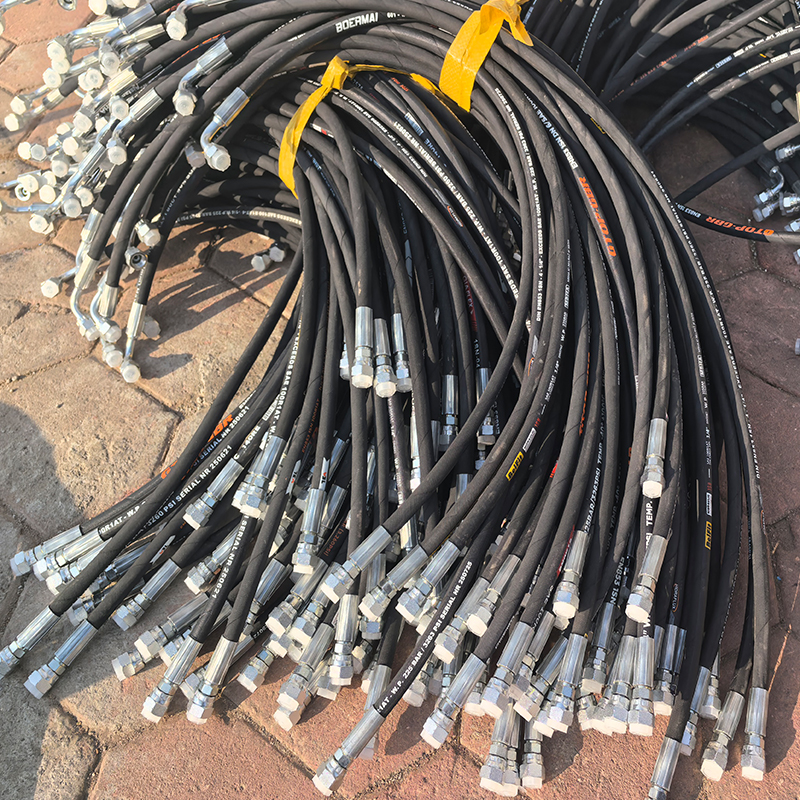 How to Create a Proactive Spiral Hydraulic Hose Replacement Plan That Prevents Downtime?
 Is Your Hydraulic System Overstressing? 5 Diagnostic Signs You Need to Upgrade to Spiral Hose
 Is Your Hydraulic System Pushing Limits? When to Specify Spiral Hose vs. Braided?
 Is Your Machinery Demanding More? Why Upgrade to a Spiral Hydraulic Hose?