
When it comes to maintaining or upgrading plumbing, irrigation, or industrial piping systems, selecting the correct flexible pipe coupling size is a critical decision. A poorly fitted coupling can lead to leaks, reduced system efficiency, or even catastrophic failures. For homeowners, contractors, and facility managers in the United States, understanding how to choose the right size ensures longevity, safety, and cost-effectiveness. This guide breaks down the process into actionable steps, emphasizing practicality and clarity.
Understanding the Basics of Flexible Pipe Couplings
Flexible pipe couplings are designed to connect two pipes securely while accommodating minor misalignments, vibrations, or thermal expansions. Unlike rigid couplings, they offer flexibility, making them ideal for systems where movement or stress is expected. However, their effectiveness hinges on proper sizing.
A coupling that’s too small may not seal properly, risking leaks. Conversely, an oversized coupling can create gaps or fail to grip the pipe adequately. To avoid these issues, users must grasp key terminology:
Nominal Pipe Size (NPS): The standard size reference for pipes, often printed on their exterior.
Outer Diameter (OD): The actual measurement of the pipe’s exterior, crucial for coupling compatibility.
Wall Thickness: Varies by material (e.g., PVC, steel, copper) and affects how a coupling grips the pipe.
Before purchasing a coupling, verify both the NPS and OD of the pipes. Tools like calipers or tape measures can help ensure accuracy, especially for older pipes where markings may have faded.
Identifying Pipe Material and System Requirements
Pipe material plays a pivotal role in coupling selection. Different materials—such as PVC, cast iron, steel, or HDPE—have distinct properties that influence coupling compatibility. For instance:
PVC Pipes: Lightweight and corrosion-resistant, but require couplings designed for their smooth surfaces.
Cast Iron Pipes: Durable but prone to rust; couplings must withstand heavier weights and potential irregularities.
Steel Pipes: Used in high-pressure systems, necessitating couplings that handle thermal expansion and contraction.
System requirements also dictate coupling choice. Consider factors like:
Pressure Ratings: High-pressure systems (e.g., industrial applications) need couplings rated for extreme conditions.
Temperature Fluctuations: Systems exposed to heat or cold require couplings that accommodate expansion without failing.
Environmental Exposure: Outdoor installations may need UV-resistant or corrosion-proof materials.
By aligning coupling specifications with pipe material and system demands, users can avoid premature wear or failure.
Measuring Pipes Accurately for Coupling Fit
Accurate measurements are non-negotiable. Start by locating the pipe’s end, ensuring it’s clean and debris-free. Use a caliper for precision, measuring the OD at multiple points to account for manufacturing variances.
For pipes with thick walls or irregularities, measure both the OD and the inner diameter (ID) to cross-reference with coupling specifications. Some couplings accommodate a range of sizes, but it’s safer to choose one that matches the pipe’s exact dimensions.
Pro tip: When replacing couplings in existing systems, document the current setup, including pipe material, age, and any signs of corrosion. This information can guide whether a direct replacement or an upgrade is needed.
Evaluating Coupling Types and Their Applications
Not all couplings are created equal. Common types include:
Shielded Couplings: Feature a metal shield for added strength, ideal for heavy-duty or underground applications.
No-Hub Couplings: Used in drainage systems, these rely on rubber gaskets and stainless steel clamps for a tight seal.
Push-Fit Couplings: Designed for quick installations, these snap onto pipes without tools but may have limited pressure ratings.
Consider the application’s demands:
Residential Plumbing: Prioritize ease of installation and corrosion resistance.
Commercial Irrigation: Look for couplings that handle UV exposure and soil movement.
Industrial Piping: Opt for high-pressure, temperature-resistant models.
Always consult manufacturer guidelines to ensure the coupling’s intended use matches your project’s needs.
Factoring in Environmental and Operational Conditions
Environmental factors can shorten a coupling’s lifespan if overlooked. For example:
UV Exposure: Outdoor couplings in sunny regions should resist degradation from sunlight.
Chemical Exposure: Systems handling aggressive chemicals need couplings made from compatible materials (e.g., EPDM rubber for oils).
Soil Conditions: Underground couplings in acidic or alkaline soils may require protective coatings.
Operational conditions matter too. Systems with frequent starts/stops (e.g., pumps) generate vibrations that stress couplings. Choose models with vibration-dampening features or additional reinforcement.
Seeking Expert Advice and Verifying Compliance
When in doubt, consult professionals. Plumbers, engineers, or suppliers can offer tailored recommendations based on your system’s specs. They may also alert you to local building codes or industry standards (e.g., ASTM, ANSI) that dictate coupling requirements.
Verify compliance by checking product certifications. Reputable manufacturers provide documentation proving their couplings meet safety and performance benchmarks. This step is crucial for commercial or municipal projects where audits are common.
Installing and Maintaining Couplings for Longevity
Proper installation is as important as selection. Follow these steps:
Cut Pipes Squarely: Use a pipe cutter to ensure clean, perpendicular ends.
Deburr Edges: Remove sharp edges that could damage couplings or gaskets.
Align Pipes: Ensure pipes are coaxial before securing the coupling.
Tighten Evenly: Use torque wrenches (if specified) to avoid overtightening.
Regular maintenance extends coupling life. Inspect for leaks, corrosion, or loose clamps annually. Replace worn couplings promptly to prevent system-wide damage.
Conclusion
Choosing the right flexible pipe coupling size requires a blend of technical knowledge and practical consideration. By understanding pipe materials, measuring accurately, evaluating coupling types, and accounting for environmental factors, users can make informed decisions that enhance system reliability. When in doubt, leverage expert advice and prioritize compliance to avoid costly mistakes. With these strategies, any project—from a home plumbing upgrade to a large-scale industrial installation—can achieve seamless, long-lasting connections.
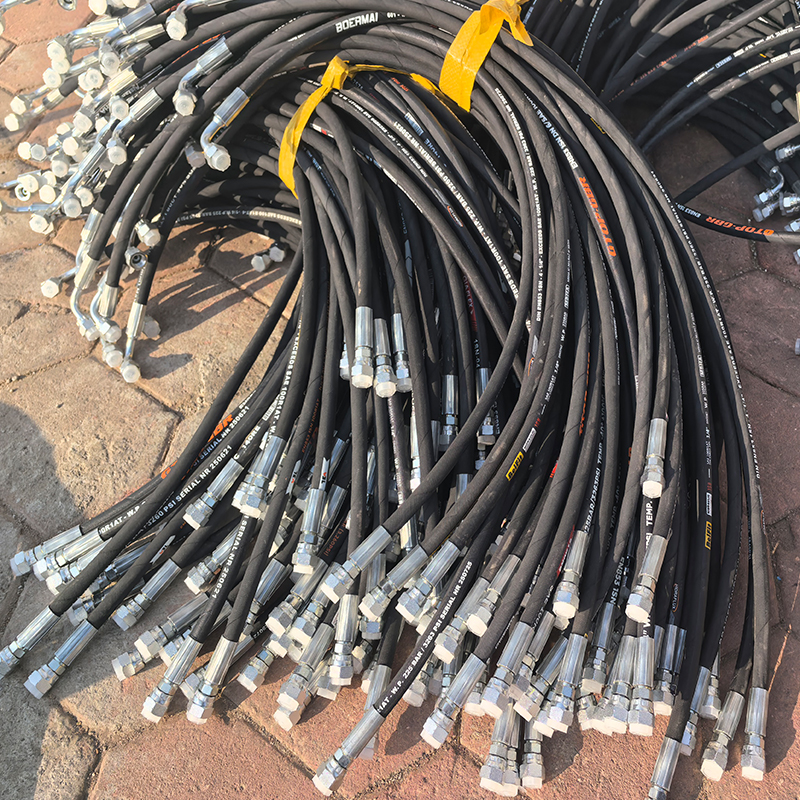 How to Create a Proactive Spiral Hydraulic Hose Replacement Plan That Prevents Downtime?
 Is Your Hydraulic System Overstressing? 5 Diagnostic Signs You Need to Upgrade to Spiral Hose
 Is Your Hydraulic System Pushing Limits? When to Specify Spiral Hose vs. Braided?
 Is Your Machinery Demanding More? Why Upgrade to a Spiral Hydraulic Hose?