
In the intricate web of plumbing, construction, and industrial systems, ensuring the seamless connection of pipes is critical. One unsung hero in this realm is the flexible pipe coupling—a device designed to join pipes securely while accommodating movement, misalignment, and environmental stressors. For American homeowners, contractors, and engineers, understanding what a flexible pipe coupling is, how it works, and its applications can save time, money, and headaches. This article demystifies this essential component, exploring its functionality, benefits, types, and practical uses across various sectors.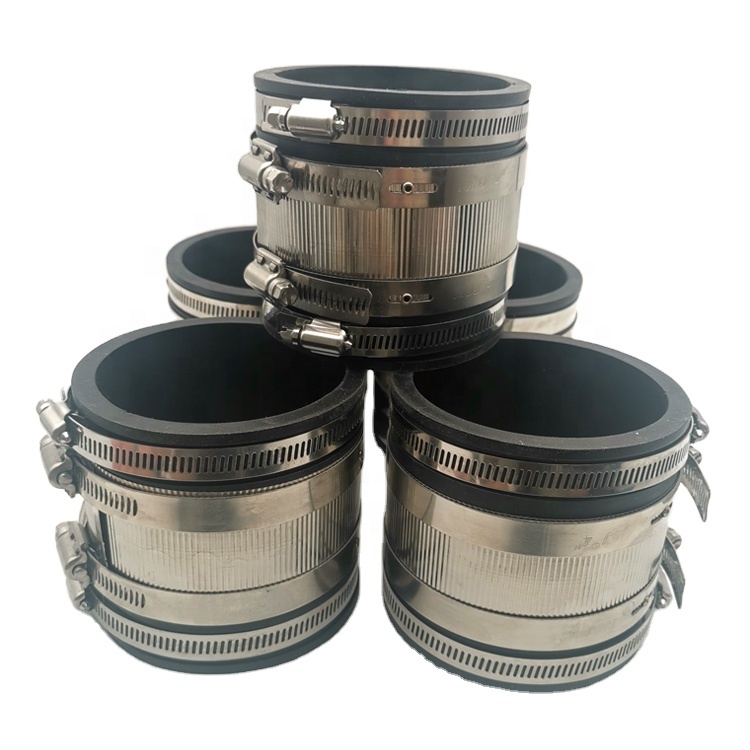
How Flexible Pipe Couplings Work
At its core, a flexible pipe coupling is a mechanical joint that connects two pipes while allowing flexibility. Unlike rigid couplings, which demand precise alignment and offer no give, flexible couplings are engineered to absorb movement caused by thermal expansion, ground shifts, or vibrations. They typically consist of a rubber sleeve or gasket encased in a metal or plastic housing. The sleeve forms a watertight seal around the pipes, while the housing provides structural support. When pipes expand, contract, or shift, the coupling’s flexibility compensates for these changes, preventing leaks or breaks.
This adaptability is particularly valuable in regions prone to earthquakes, where ground movement can stress rigid pipe systems. Even in everyday scenarios, such as a home’s plumbing experiencing temperature fluctuations, flexible couplings ensure longevity and reliability.
Key Benefits of Using Flexible Pipe Couplings
The advantages of flexible pipe couplings extend beyond mere convenience. Here’s why they’re a staple in modern infrastructure:
Ease of Installation: Flexible couplings require minimal tools and expertise, making them ideal for DIY enthusiasts and professionals alike. They eliminate the need for precise alignment, reducing installation time and labor costs.
Vibration and Noise Reduction: In industrial settings, machinery vibrations can loosen rigid connections over time. Flexible couplings absorb these vibrations, minimizing noise and preventing pipe damage.
Corrosion Resistance: Many flexible couplings are made from durable materials like stainless steel or reinforced rubber, making them suitable for both indoor and outdoor use, even in harsh environments.
Cost-Effectiveness: By preventing leaks and extending the lifespan of pipe systems, flexible couplings reduce maintenance expenses and downtime, offering long-term savings.
Types of Flexible Pipe Couplings
Flexible couplings come in various designs, each tailored to specific needs:
Shielded Couplings: These feature a metal shield that protects the rubber gasket from external damage, making them ideal for underground or high-traffic areas.
No-Hub Couplings: Commonly used in drainage systems, these couplings clamp pipes together without requiring hubs, streamlining installation.
Split Couplings: Designed for quick repairs, these couplings split into two halves, allowing easy placement around existing pipes.
Stainless Steel Couplings: Preferred for high-pressure or corrosive environments, these couplings offer superior durability and strength.
Push-Fit Couplings: Popular in residential plumbing, these require no special tools for installation, making them user-friendly for DIY enthusiasts.
Common Applications Across Industries
Flexible pipe couplings are ubiquitous in American infrastructure. Here’s where they shine:
Residential Plumbing: In homes, they connect water supply lines, sewage pipes, and even HVAC ductwork, adapting to house settling or seasonal temperature changes.
Commercial Construction: Office buildings, malls, and hospitals rely on flexible couplings to ensure uninterrupted water and gas flow, even in high-traffic or seismically active areas.
Industrial Facilities: Factories, power plants, and water treatment centers use heavy-duty couplings to handle extreme pressures, temperatures, and corrosive substances.
Agricultural and Municipal Projects: From irrigation systems to municipal water networks, flexible couplings ensure durability in outdoor and underground applications.
How to Choose the Right Flexible Pipe Coupling
Selecting the appropriate coupling depends on several factors:
Material Compatibility: Ensure the coupling material (e.g., rubber, stainless steel) matches the pipe material (PVC, copper, cast iron).
Pressure and Temperature Ratings: Check if the coupling can withstand system pressures and temperature extremes.
Movement Tolerance: For areas with ground movement, opt for couplings with high axial and angular deflection capabilities.
Corrosion Resistance: In coastal or chemically aggressive environments, prioritize corrosion-resistant materials.
Regulatory Compliance: Verify that the coupling meets local building codes and industry standards (e.g., ASME, ASTM).
Maintenance and Longevity
Proper maintenance extends the life of flexible pipe couplings:
Regular Inspections: Check for leaks, cracks, or wear, especially in high-stress areas.
Avoid Over-Tightening: Excessive force can damage the coupling’s sealing mechanism.
Replace When Needed: Worn-out couplings should be swapped promptly to prevent system failures.
Environmental Considerations: In freezing climates, ensure couplings can handle ice expansion without cracking.
The Future of Flexible Pipe Couplings
As infrastructure ages and environmental challenges grow, the demand for durable, adaptable solutions rises. Future innovations may include:
Smart Couplings: Embedded sensors could monitor pressure, leaks, or corrosion in real time.
Eco-Friendly Materials: Manufacturers may explore biodegradable or recyclable materials to reduce environmental impact.
Enhanced Durability: New alloys and composites could improve resistance to extreme conditions.
Conclusion
Flexible pipe couplings are the unsung heroes of modern plumbing and industrial systems. Their ability to adapt to movement, misalignment, and environmental stressors makes them indispensable in ensuring the reliability of pipelines. For Americans tackling home repairs, managing construction projects, or overseeing industrial facilities, understanding these couplings is key to maintaining efficient and safe systems. By choosing the right type of coupling and ensuring proper installation and maintenance, individuals and organizations can avoid costly repairs and downtime. As technology advances, flexible pipe couplings will likely evolve to meet even more demanding challenges, ensuring their continued importance in various sectors. Whether you’re a DIY enthusiast or a professional engineer, mastering the use of flexible pipe couplings is a step toward smarter, more resilient infrastructure.
By understanding the role and benefits of flexible pipe couplings, Americans can better navigate the complexities of pipe systems, ensuring longevity and efficiency in both residential and industrial settings. The future of these couplings lies in innovation and adaptation, but their core function—bridging pipes with flexibility and reliability—will remain unchanged.
 How to Create a Proactive Spiral Hydraulic Hose Replacement Plan That Prevents Downtime?
 Is Your Hydraulic System Overstressing? 5 Diagnostic Signs You Need to Upgrade to Spiral Hose
 Is Your Hydraulic System Pushing Limits? When to Specify Spiral Hose vs. Braided?
 Is Your Machinery Demanding More? Why Upgrade to a Spiral Hydraulic Hose?