
In the intricate web of modern infrastructure, from residential plumbing to large-scale industrial systems, the seamless flow of fluids and gases is essential. Yet, challenges like pipe misalignment, thermal expansion, and vibrations can disrupt this harmony, leading to leaks, inefficiencies, or even catastrophic failures. Enter the flexible pipe coupling—a small but mighty component that plays a pivotal role in maintaining system integrity. This blog explores how flexible pipe couplings work, their applications, and why they are indispensable in today’s engineering solutions.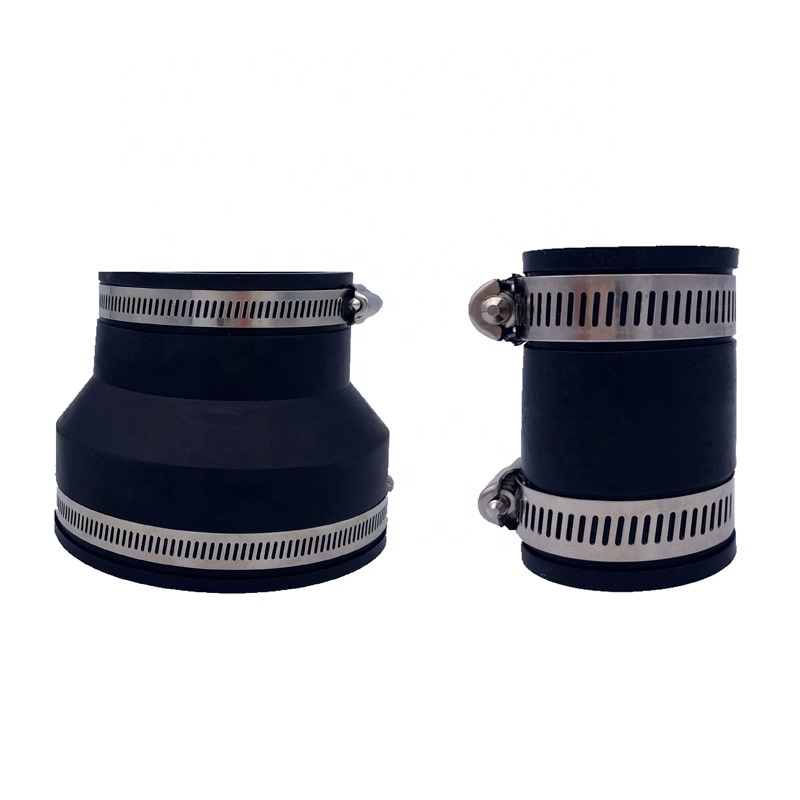
Understanding the Basics of Pipe Couplings
At its core, a pipe coupling is a device used to connect two pipes or tubes, ensuring a leak-proof and secure joint. Traditional rigid couplings rely on precise alignment and fixed connections, which can be problematic in environments prone to movement or temperature fluctuations. Flexible pipe couplings, however, introduce an element of adaptability. They are designed to absorb stresses caused by misalignment, vibrations, and thermal expansion, thereby extending the lifespan of piping systems and reducing maintenance costs.
The key innovation lies in their construction. Typically, flexible couplings consist of a flexible material (such as rubber or elastomers) encased in a robust metal or plastic housing. This design allows the coupling to bend, twist, or compress slightly without compromising the connection’s integrity.
The Mechanics Behind Flexibility
The flexibility of these couplings stems from their ability to deform under stress while returning to their original shape once the stress is relieved. Here’s how it works:
Material Composition: The inner sleeve, often made of rubber or synthetic elastomers, acts as a shock absorber. These materials can stretch, compress, and bend, accommodating minor shifts in pipe alignment.
Structural Design: The outer housing, usually metallic, provides structural support and protects the flexible sleeve from external damage. It also distributes stress evenly across the coupling, preventing localized wear.
Sealing Mechanism: Many flexible couplings incorporate O-rings or gaskets to ensure a watertight or airtight seal, even when the pipes are not perfectly aligned.
When pipes expand due to heat or shift due to ground movement, the flexible coupling absorbs the stress, preventing it from transferring to the pipes themselves. This not only protects the pipes but also minimizes noise and vibration, a critical factor in sensitive environments like hospitals or residential buildings.
Applications Across Industries
Flexible pipe couplings are ubiquitous, finding use in a wide range of applications:
Plumbing Systems: In homes and commercial buildings, they connect water supply lines, sewage pipes, and HVAC systems, accommodating minor shifts caused by settling or temperature changes.
Industrial Processes: Factories rely on these couplings to connect pipes carrying chemicals, steam, or compressed air, where vibrations from machinery are common.
Marine and Offshore: In ships and oil rigs, flexible couplings combat the corrosive effects of saltwater and the constant motion of the vessel.
Wastewater Treatment: They connect pipes in treatment plants, where corrosive materials and constant flow require durable, flexible solutions.
Advantages Over Rigid Couplings
Why choose flexible couplings over their rigid counterparts? The benefits are clear:
Ease of Installation: Flexible couplings do not require perfectly aligned pipes, reducing installation time and labor costs.
Damage Prevention: By absorbing stress, they prevent pipe cracks or leaks, especially in earthquake-prone areas or environments with heavy machinery.
Longevity: The ability to flex reduces wear on pipes and couplings, extending the system’s lifespan.
Cost-Effectiveness: Fewer repairs and replacements translate to long-term savings.
Installation and Maintenance Tips
To maximize the benefits of flexible pipe couplings, proper installation and maintenance are key:
Alignment Check: While flexible couplings tolerate some misalignment, excessive misalignment can still cause premature failure. Ensure pipes are as aligned as possible during installation.
Tightening Torque: Follow manufacturer guidelines for tightening bolts to avoid over- or under-tightening, which can compromise the seal.
Regular Inspections: Periodically check couplings for signs of wear, such as cracks in the rubber sleeve or corrosion on the housing. Replace couplings if damage is detected.
Environmental Considerations: In harsh environments (e.g., extreme temperatures or corrosive chemicals), choose couplings made from compatible materials.
The Future of Flexible Pipe Couplings
As engineering demands evolve, so do flexible pipe couplings. Manufacturers are不断创新 (continuously innovating) with materials like high-performance elastomers and advanced alloys to improve durability and flexibility. Smart couplings with embedded sensors for real-time monitoring of pressure, temperature, and stress are also on the horizon, offering predictive maintenance capabilities.
Moreover, sustainability is becoming a focus. Eco-friendly materials and recyclable designs are being developed to reduce environmental impact without sacrificing performance.
Conclusion
Flexible pipe couplings are the unsung heroes of modern infrastructure, silently ensuring the smooth operation of countless systems. Their ability to adapt to stress, seal connections, and reduce maintenance makes them indispensable. As technology advances, these couplings will continue to evolve, playing an even greater role in building resilient, efficient, and sustainable systems.
Whether you’re a homeowner, engineer, or facility manager, understanding how flexible pipe couplings work can help you make informed decisions about your next project. The next time you turn on a faucet or observe industrial machinery humming quietly, remember the tiny but mighty component working behind the scenes—the flexible pipe coupling.
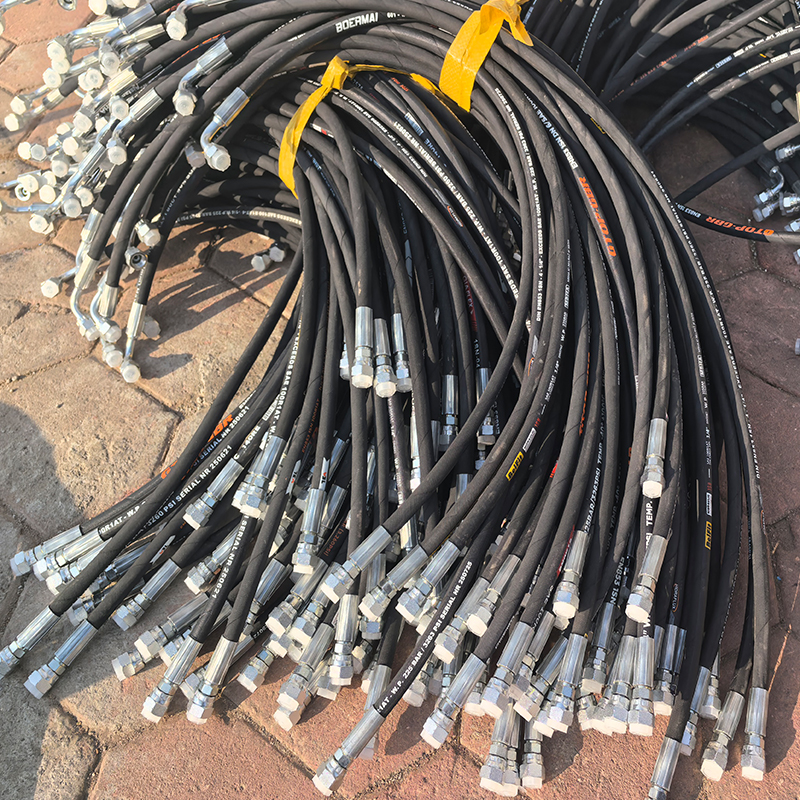 How to Create a Proactive Spiral Hydraulic Hose Replacement Plan That Prevents Downtime?
 Is Your Hydraulic System Overstressing? 5 Diagnostic Signs You Need to Upgrade to Spiral Hose
 Is Your Hydraulic System Pushing Limits? When to Specify Spiral Hose vs. Braided?
 Is Your Machinery Demanding More? Why Upgrade to a Spiral Hydraulic Hose?