
When it comes to sealing solutions, rubber plugs are a common choice for various applications due to their flexibility, durability, and resistance to moisture. However, like any other material or product, rubber plugs are not without their drawbacks. While specific information on the disadvantages of rubber plugs might not be readily available, we can infer potential issues based on the general shortcomings associated with rubber products. This article aims to shed light on some of the key disadvantages of rubber plugs that you should be aware of.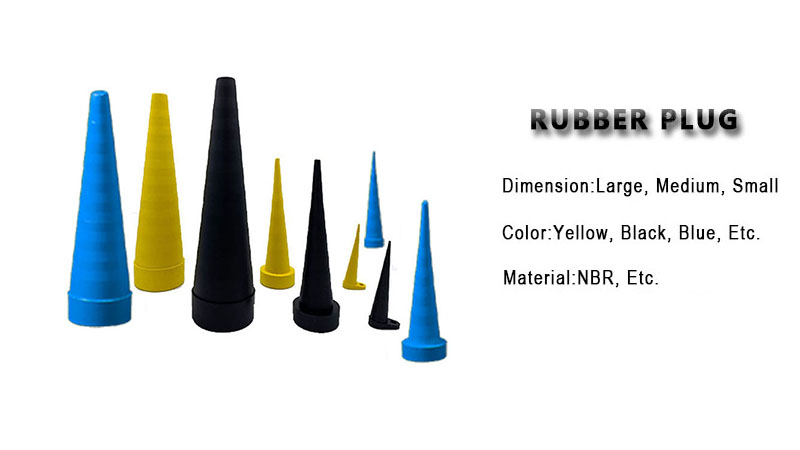
One of the primary concerns with rubber plugs, or rubber products in general, is the health risk they pose during the manufacturing process. The production of rubber involves various stages, including compounding, mixing, extrusion, and molding. Each of these stages can generate significant amounts of dust and harmful gases. For instance, the rubber compounding process often releases volatile organic compounds (VOCs), sulfur dioxide, and carbon monoxide into the air. Workers exposed to these substances over prolonged periods are at risk of developing respiratory problems.
Chronic obstructive pulmonary disease (COPD) is a prevalent respiratory condition that can be exacerbated or even caused by long-term exposure to rubber manufacturing byproducts. COPD is characterized by persistent airflow limitation that makes it difficult to breathe. Symptoms include chronic coughing, wheezing, shortness of breath, and fatigue. In severe cases, it can lead to disability and a reduced quality of life.
Asthma is another respiratory condition that can be triggered or worsened by the chemicals used in rubber production. Asthma attacks can be life-threatening and require immediate medical attention. The inflammation and narrowing of the airways that occur during an asthma attack can make it extremely difficult for an individual to breathe. Workers in the rubber industry, particularly those involved in the manufacturing process, are at a higher risk of developing occupational asthma.
Apart from respiratory issues, the chemicals used in rubber production can also have other health effects. Skin irritation and allergic reactions are common among workers who come into direct contact with rubber compounds. Some of the chemicals used in rubber manufacturing are known irritants and sensitizers, capable of causing redness, itching, and even dermatitis.
The environmental impact of rubber production is another significant disadvantage of rubber plugs. The rubber manufacturing process involves the use of various chemicals, some of which can be harmful to the environment if not properly managed. These chemicals can contaminate soil and water sources, leading to ecological imbalances and posing a threat to wildlife.
The disposal of rubber products, including rubber plugs, also poses environmental challenges. Rubber is not biodegradable, meaning it does not decompose naturally over time. As a result, discarded rubber products can accumulate in landfills, taking up valuable space and contributing to environmental pollution. Furthermore, the incineration of rubber products releases toxic gases into the atmosphere, further exacerbating air pollution.
To mitigate the environmental impact of rubber production, manufacturers are increasingly adopting sustainable practices. This includes using recycled rubber in the manufacturing process, reducing waste, and implementing strict waste management protocols. However, despite these efforts, the environmental footprint of rubber production remains a concern.
Cost is another disadvantage associated with rubber plugs. High-quality rubber plugs, made from durable and long-lasting materials, can be relatively expensive. The cost of raw materials, production processes, and quality control measures all contribute to the final price of rubber plugs. For consumers, this can mean higher costs when purchasing products that require rubber plugs as a sealing solution.
In some cases, the cost of rubber plugs may make them less competitive compared to other sealing options. For example, plastic plugs or metal seals might be more affordable and offer similar performance characteristics. However, it's important to consider the specific application and requirements when choosing a sealing solution, as the cheapest option may not always be the most suitable.
Moreover, the cost of rubber plugs can also impact manufacturers and businesses that rely on them for their products. Incorporating high-quality rubber plugs into their products can increase production costs, which may be passed on to consumers. This can affect the overall competitiveness of the product in the market and potentially limit its market share.
In addition to the health, environmental, and cost-related disadvantages, rubber plugs may also have some limitations in terms of their performance and applicability. For instance, rubber plugs may not be suitable for high-temperature or high-pressure applications. The rubber material can degrade or lose its sealing properties when exposed to extreme conditions, leading to potential leaks or failures.
Furthermore, rubber plugs may be susceptible to chemical degradation. Certain chemicals can react with the rubber material, causing it to swell, shrink, or harden. This can compromise the sealing capability of the plug and lead to premature failure. Therefore, it's essential to consider the chemical environment in which the rubber plug will be used and choose a material that is compatible with those conditions.
Another potential limitation of rubber plugs is their size and shape. Rubber plugs are available in various sizes and shapes to fit different applications, but finding the perfect fit can sometimes be challenging. If the plug is too small, it may not provide an adequate seal. Conversely, if the plug is too large, it may cause damage to the opening or be difficult to insert. Custom-made rubber plugs can address this issue, but they often come at a higher cost.
Lastly, the aging process can also affect the performance of rubber plugs. Over time, rubber materials can degrade due to exposure to environmental factors such as sunlight, moisture, and temperature fluctuations. This can result in a loss of elasticity, hardness, and sealing capability. Regular inspection and replacement of rubber plugs are necessary to ensure their continued performance and reliability.
In conclusion, while rubber plugs offer several advantages as a sealing solution, they also have their fair share of disadvantages. The health risks associated with rubber production, the environmental impact, and the cost are some of the key concerns. Additionally, limitations in performance and applicability may make rubber plugs less suitable for certain applications. When choosing a sealing solution, it's essential to consider these disadvantages and weigh them against the benefits to make an informed decision. By doing so, you can ensure that you select the most appropriate sealing option for your specific needs.
 How to Create a Proactive Spiral Hydraulic Hose Replacement Plan That Prevents Downtime?
 Is Your Hydraulic System Overstressing? 5 Diagnostic Signs You Need to Upgrade to Spiral Hose
 Is Your Hydraulic System Pushing Limits? When to Specify Spiral Hose vs. Braided?
 Is Your Machinery Demanding More? Why Upgrade to a Spiral Hydraulic Hose?